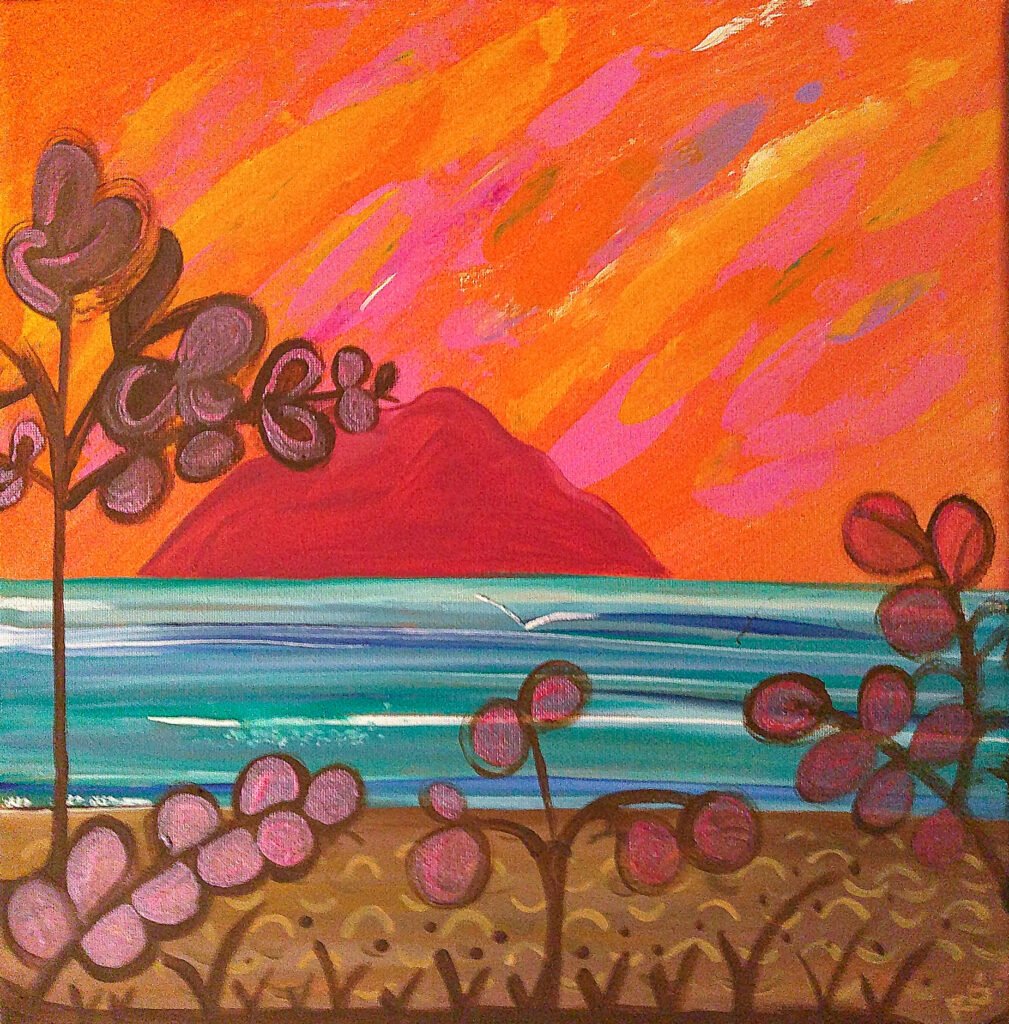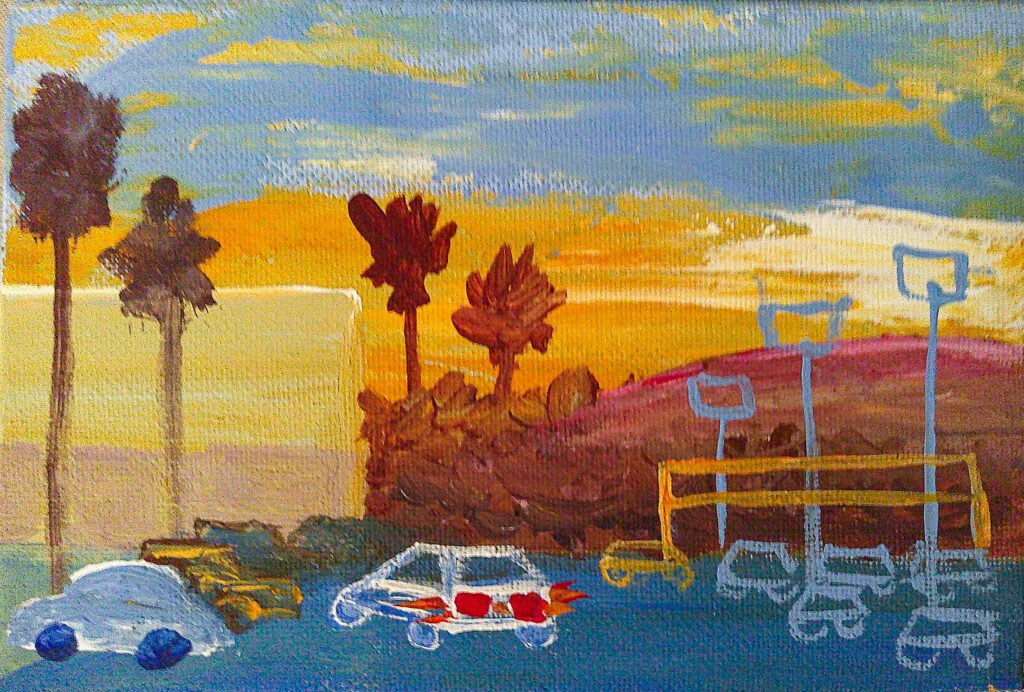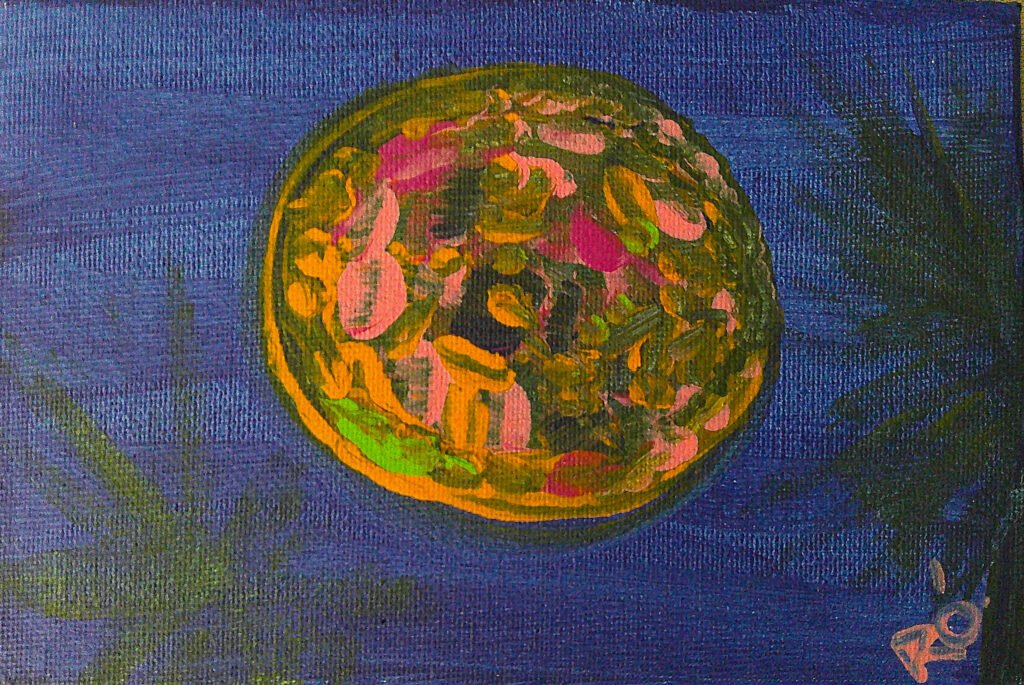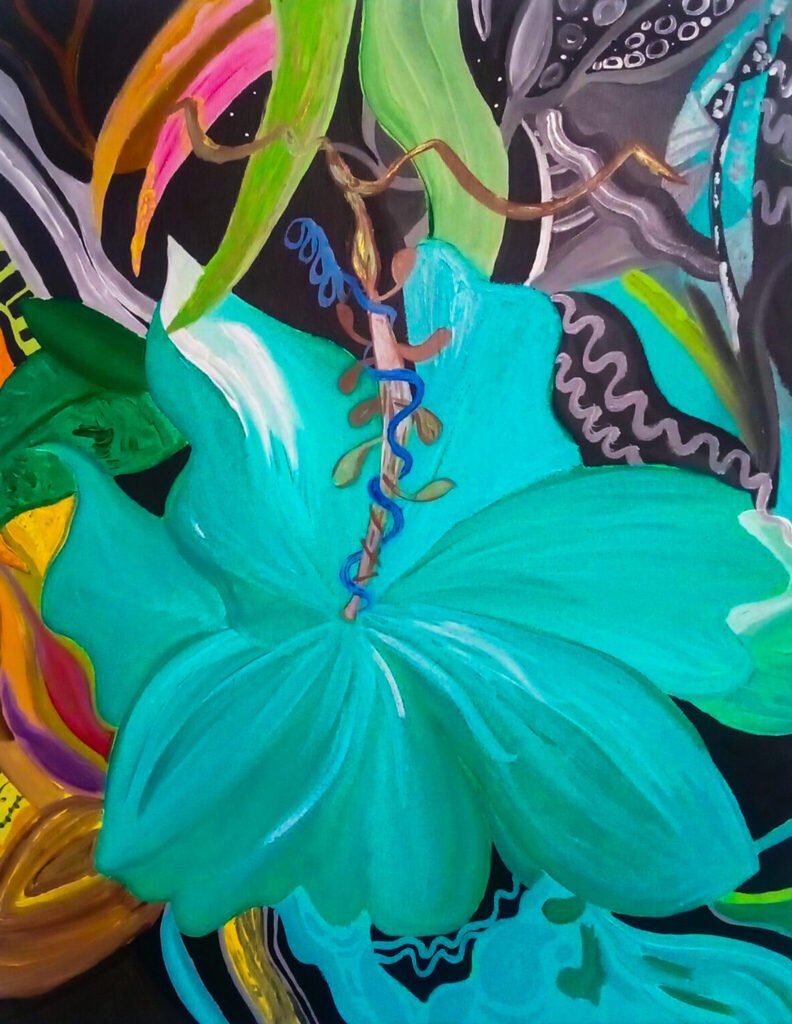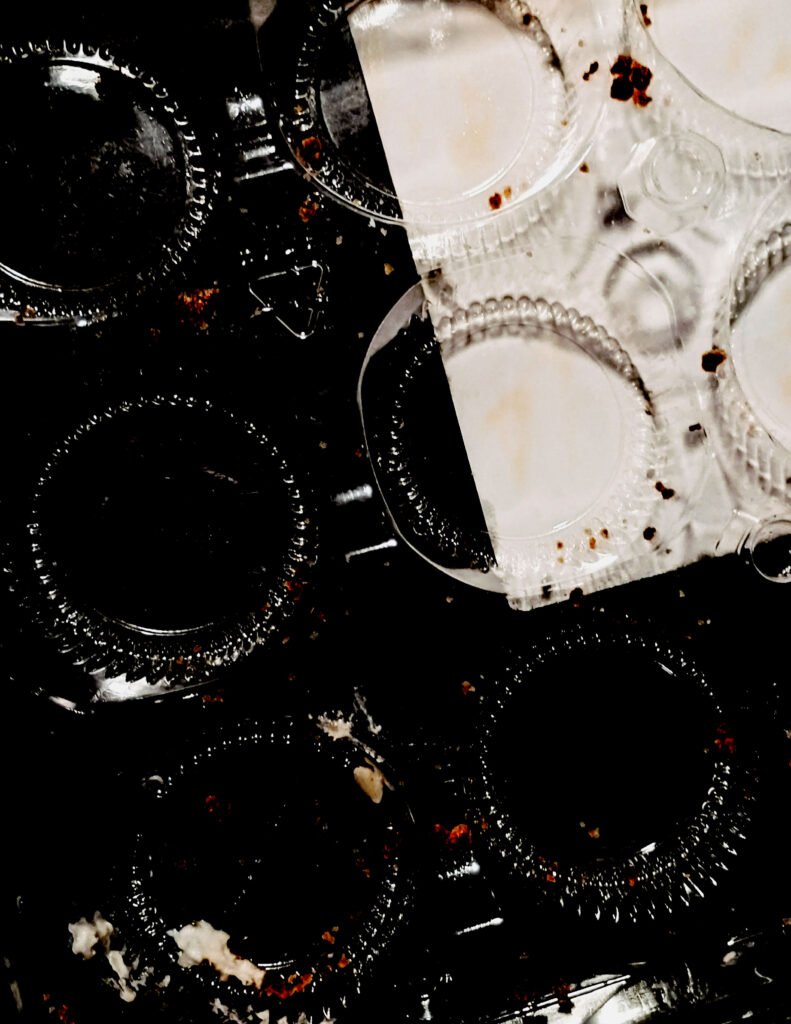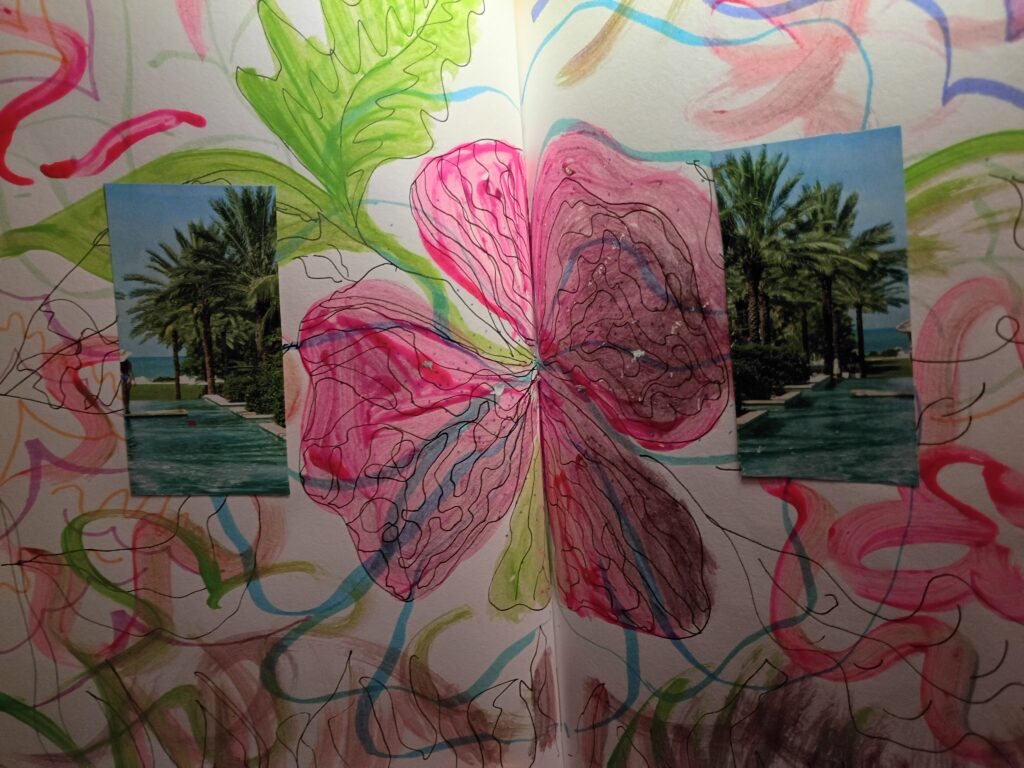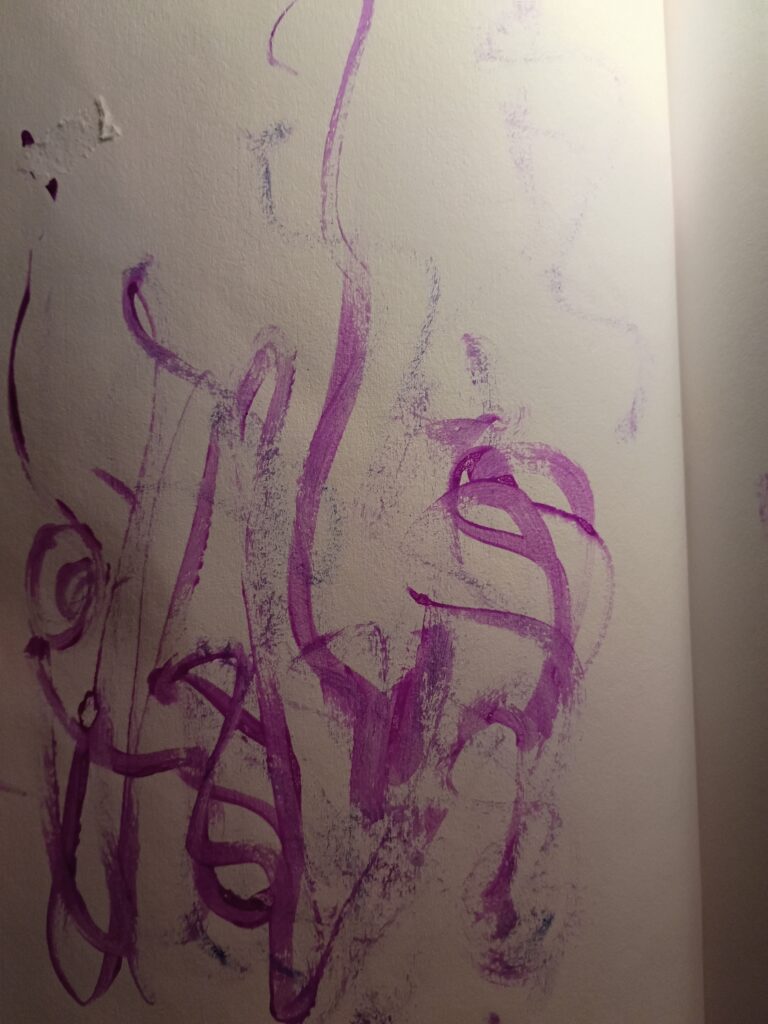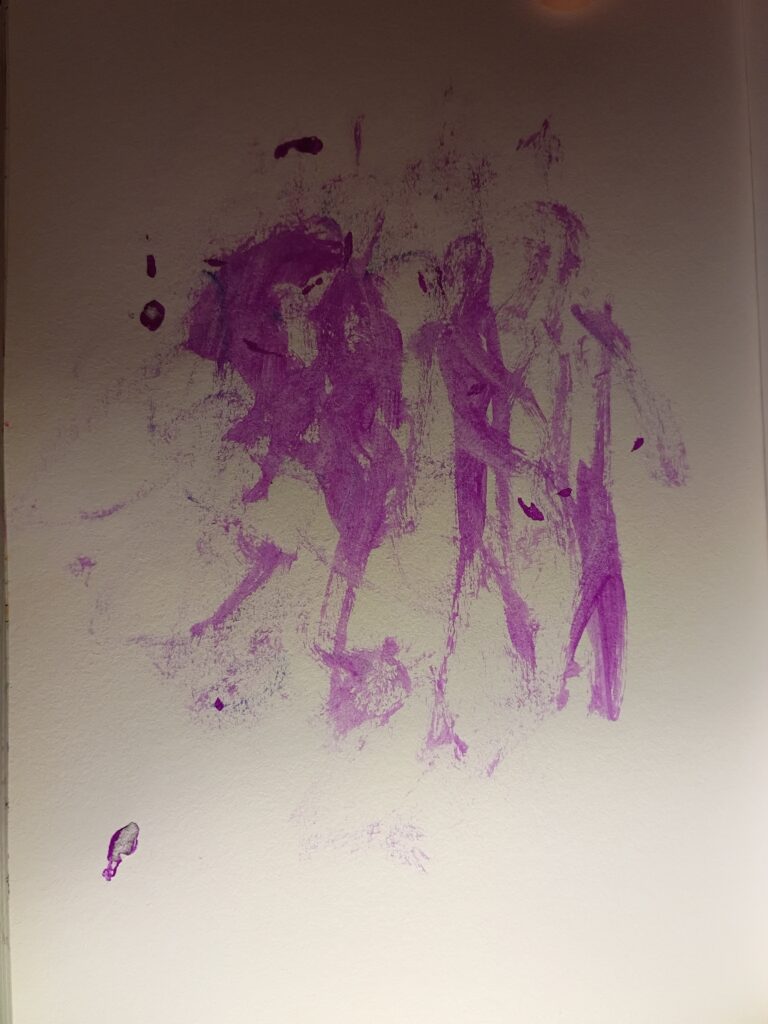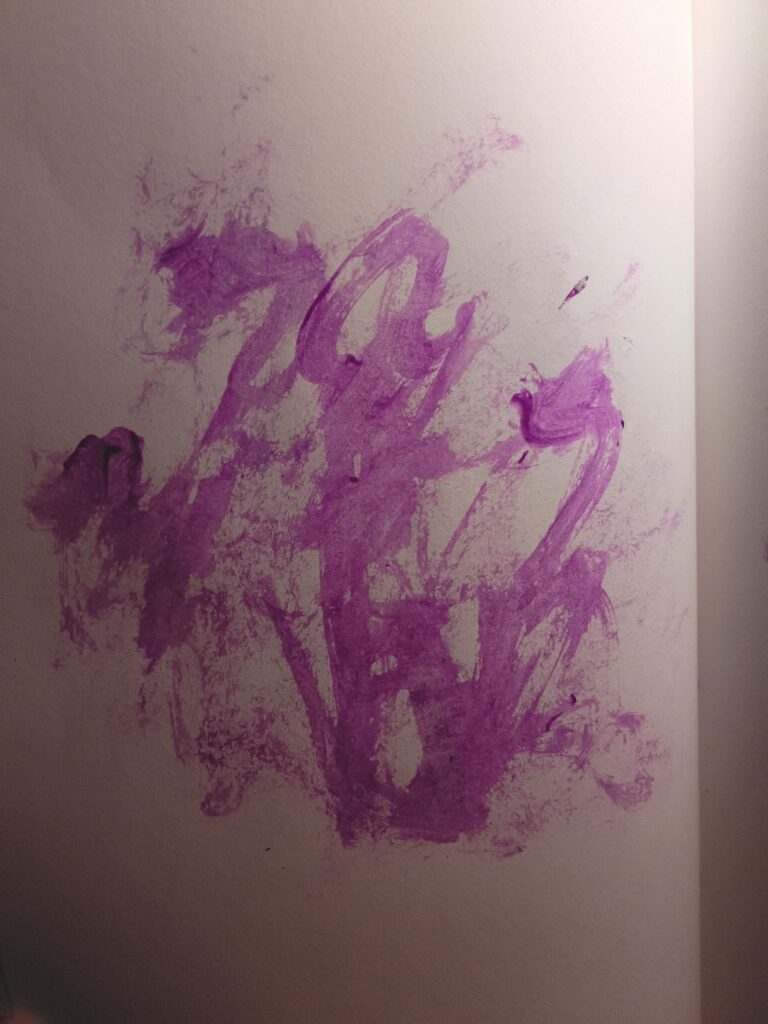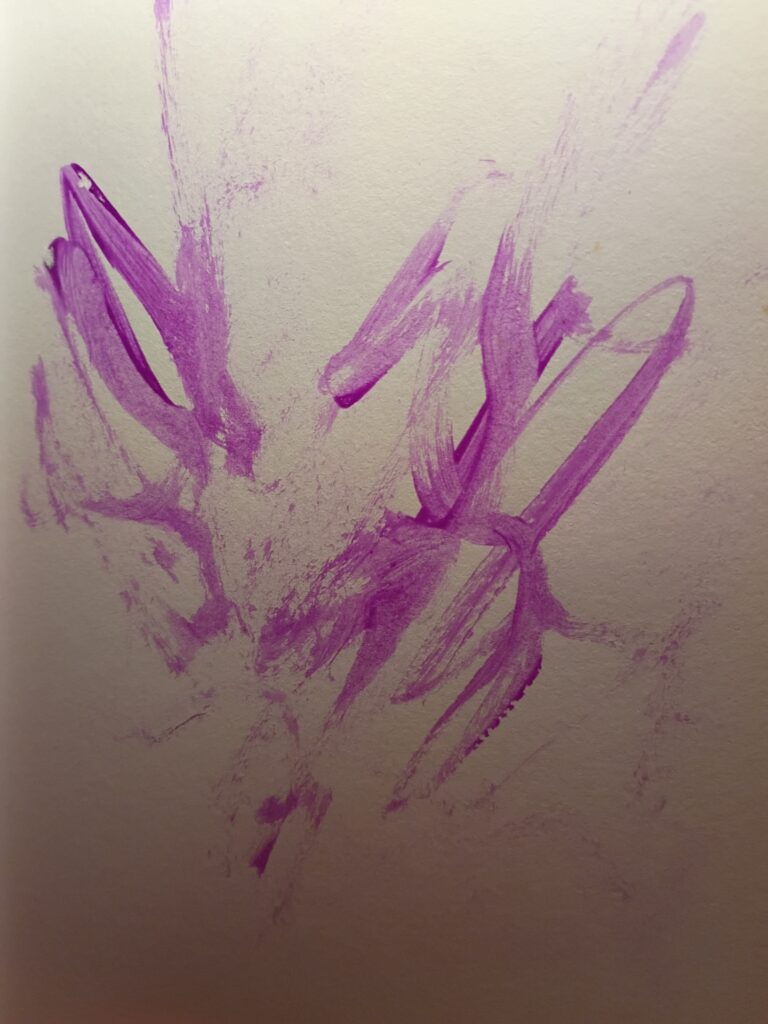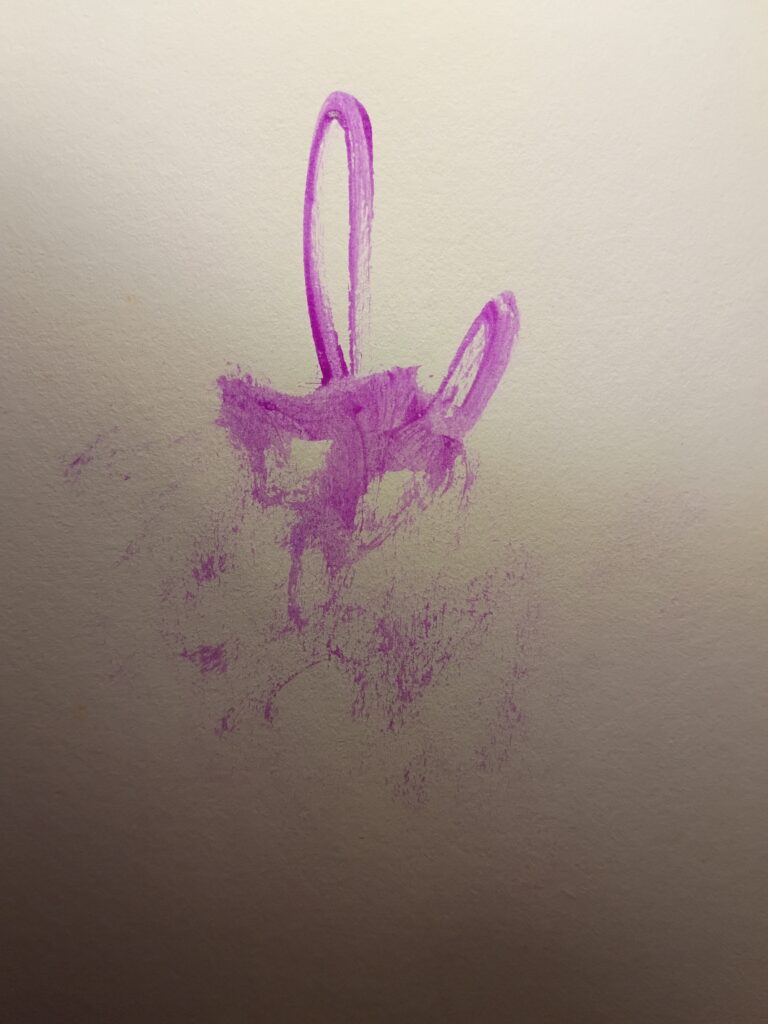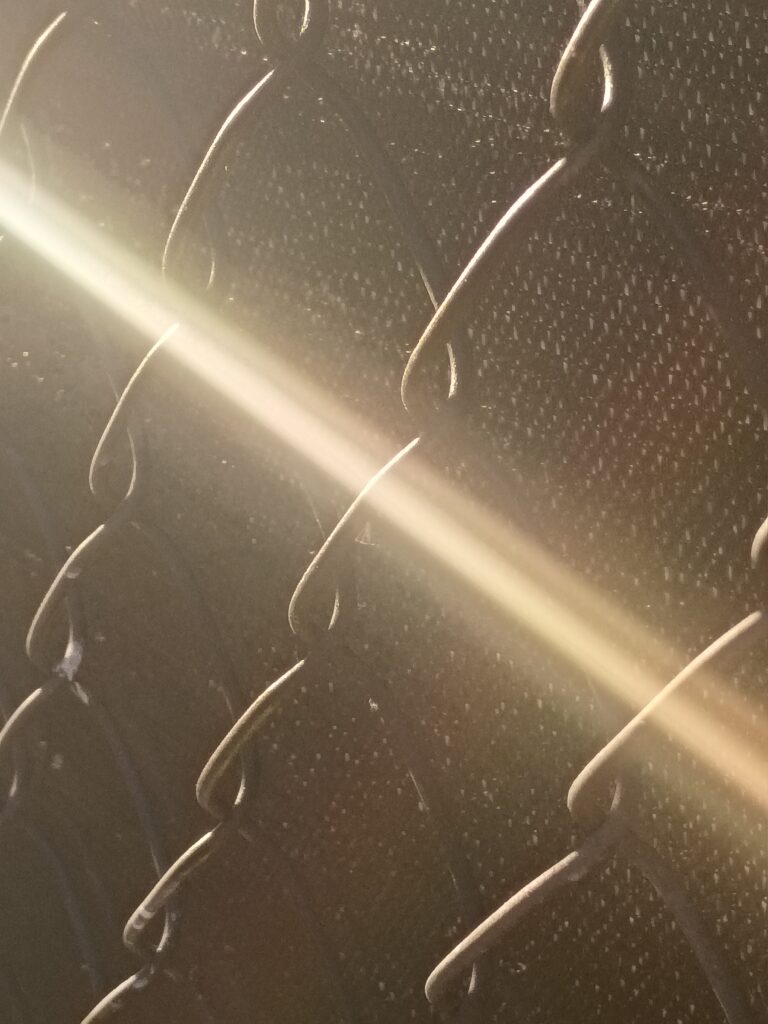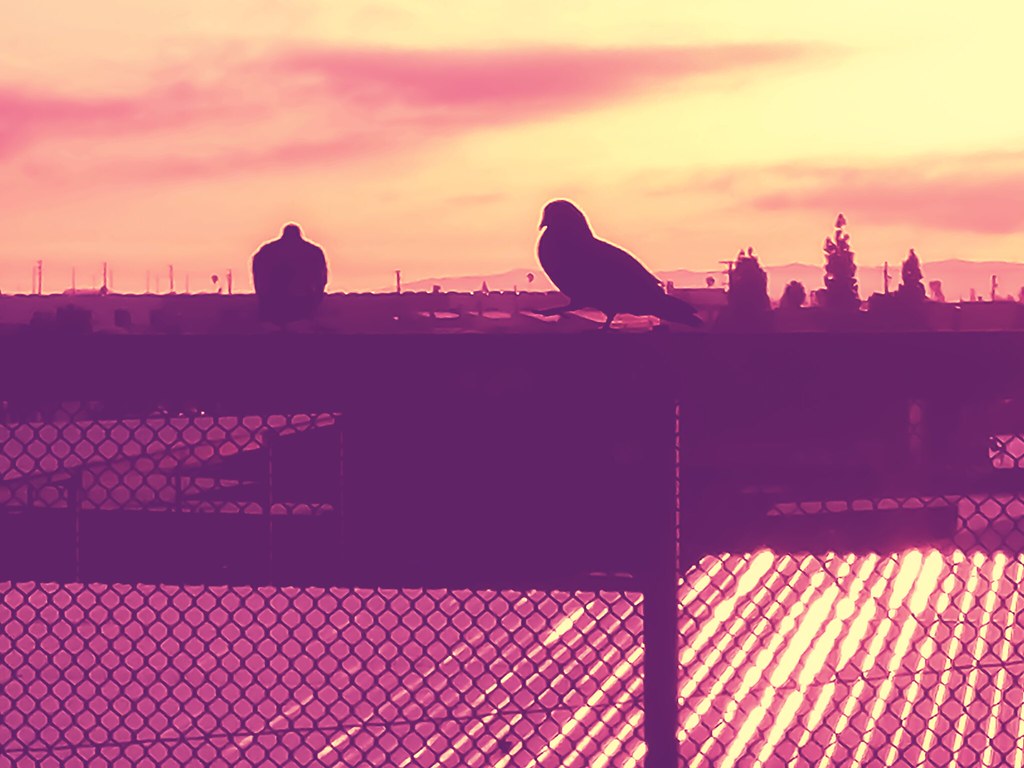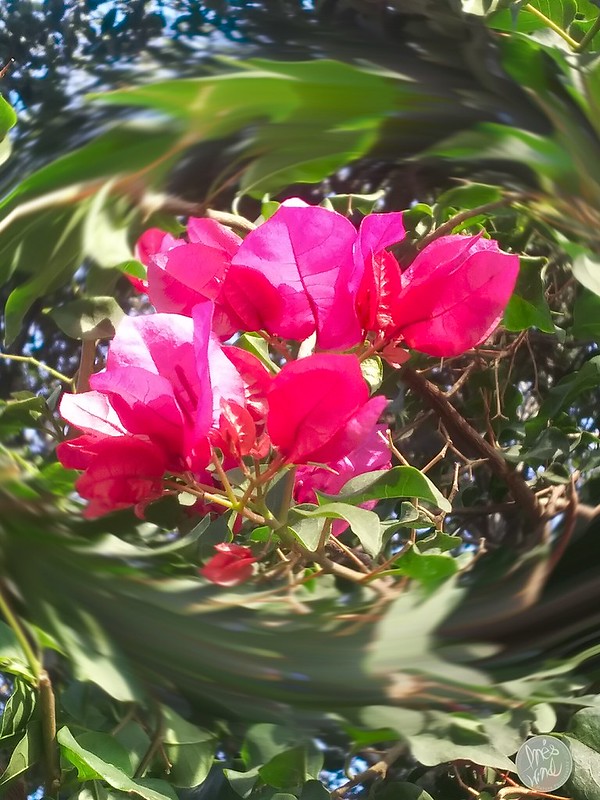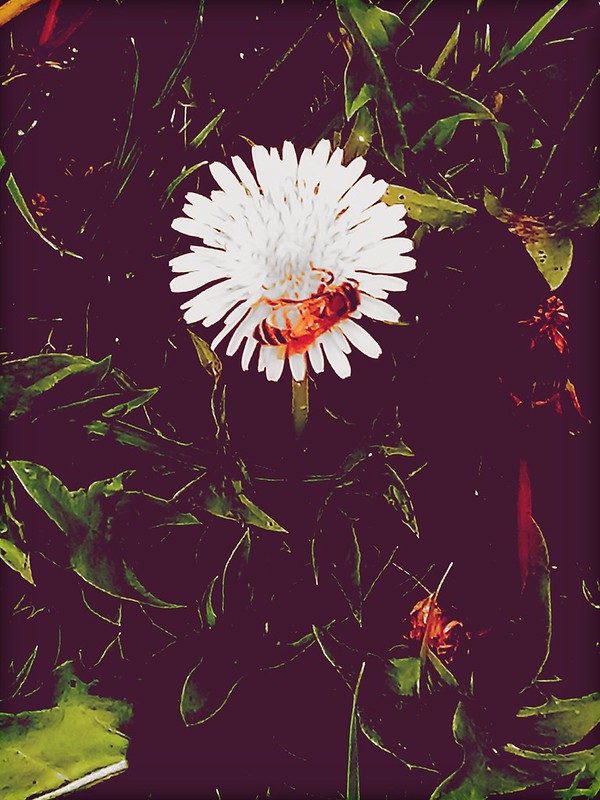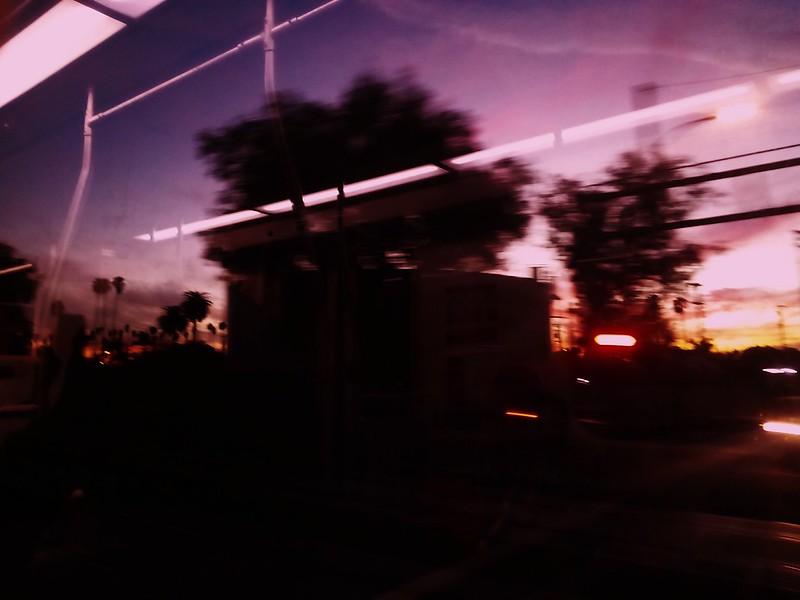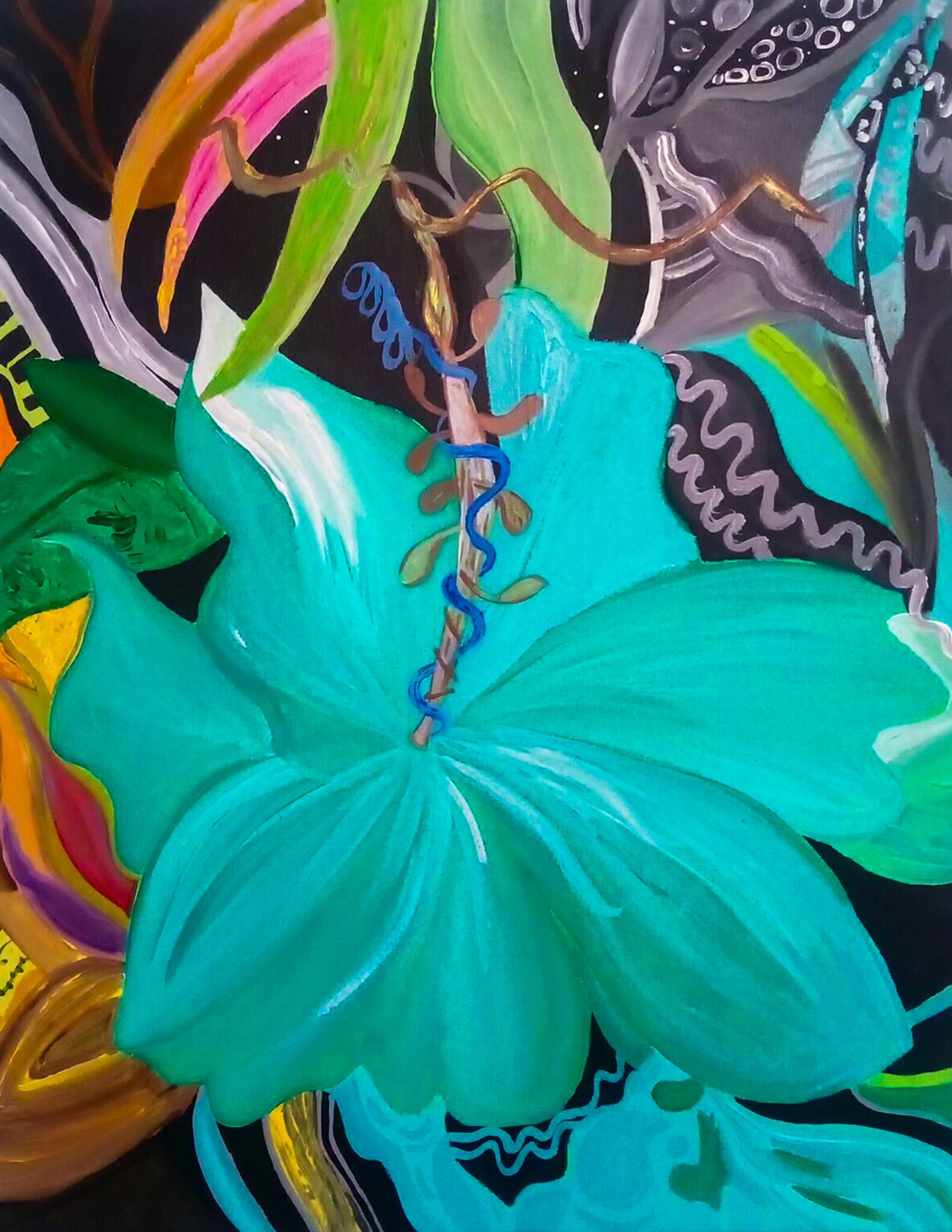
Abstract art can be vexing. Even at one’s most imaginative, the idea that art needs to depict something is, by default, unquestionable.
What if what is being depicted is hard to see?
I like the idea of art “putting the brain to work,” so to speak; and abstract art seems to do this by encouraging the brain to come up with its own visual. It is the semi-psychic idea that art can be produced in the mind just as well as if the image was concretely on canvas.
Abstract Expressionism epitomized this idea: can you glean the forms of the city in Pollock’s #48?
I’m no Jackson Pollock, of course, but yesterday I found myself in a surprisingly abstract mood, and so, compelled to simply work with acrylic and brush, I put some of my neon purple blacklight paint to work. There was no plan to follow; the brush told the story as it dragged through the paper, with some interesting results.
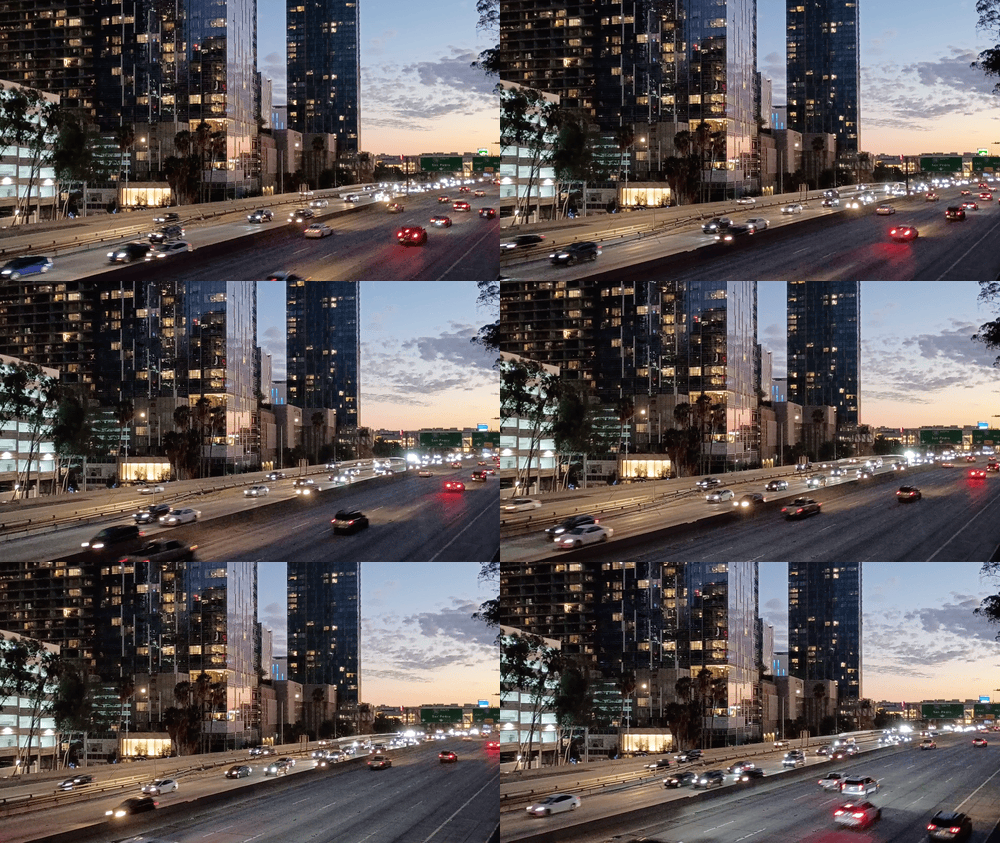
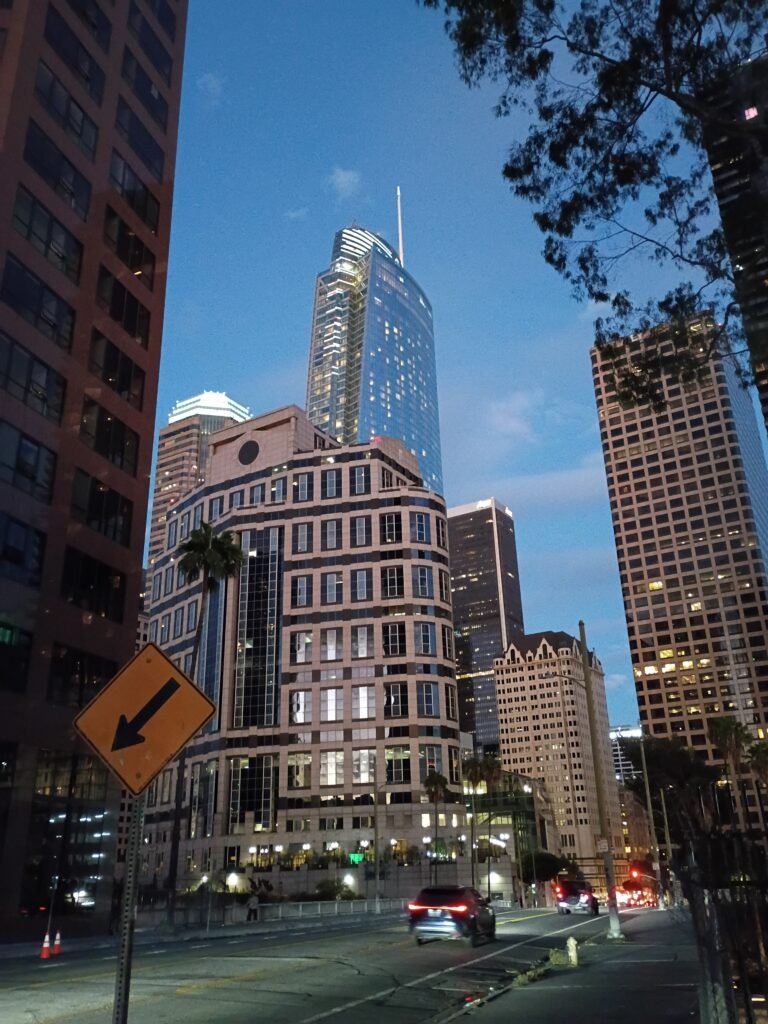
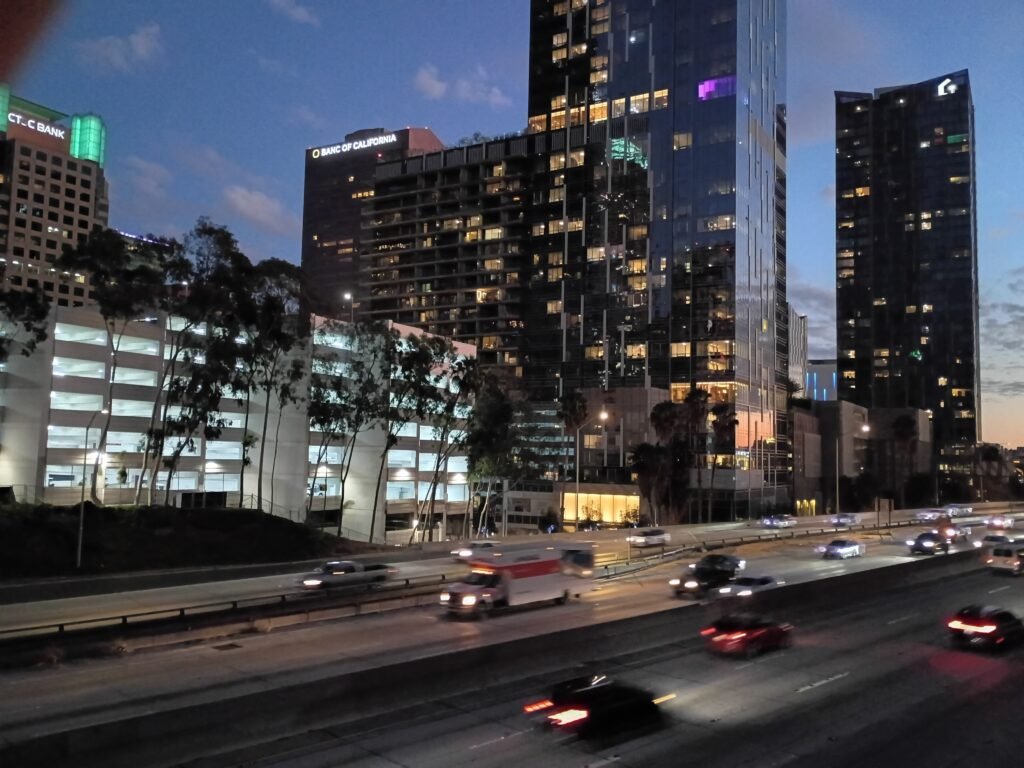
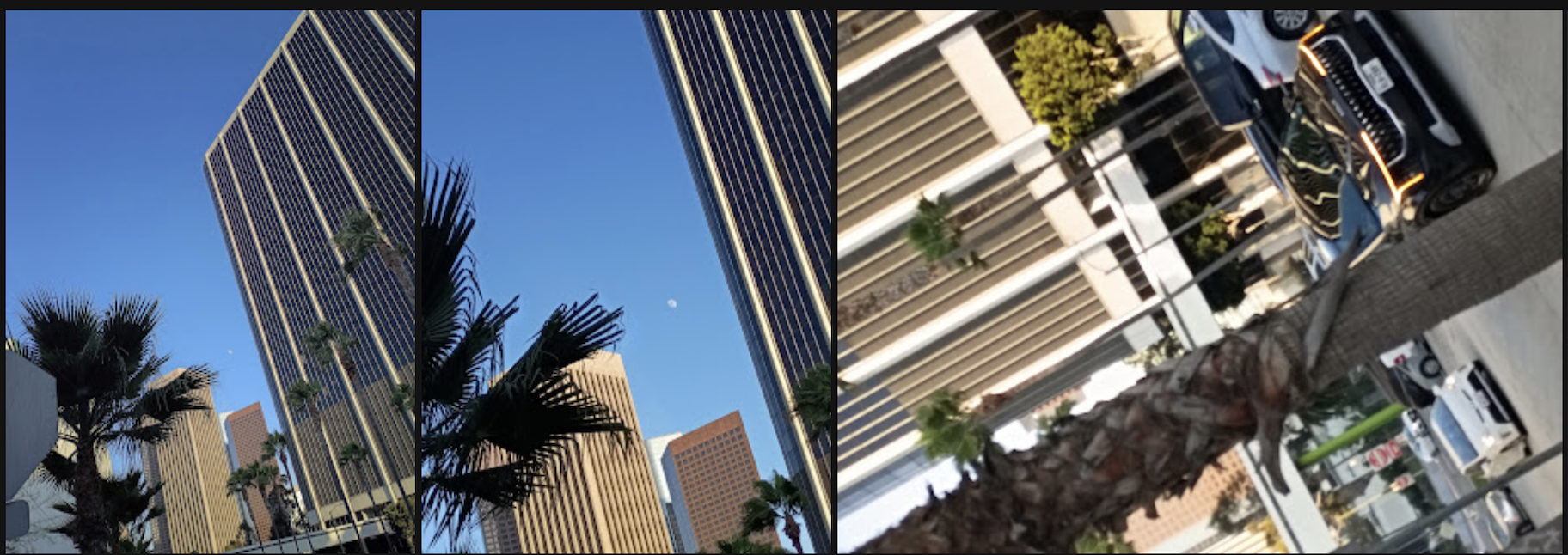
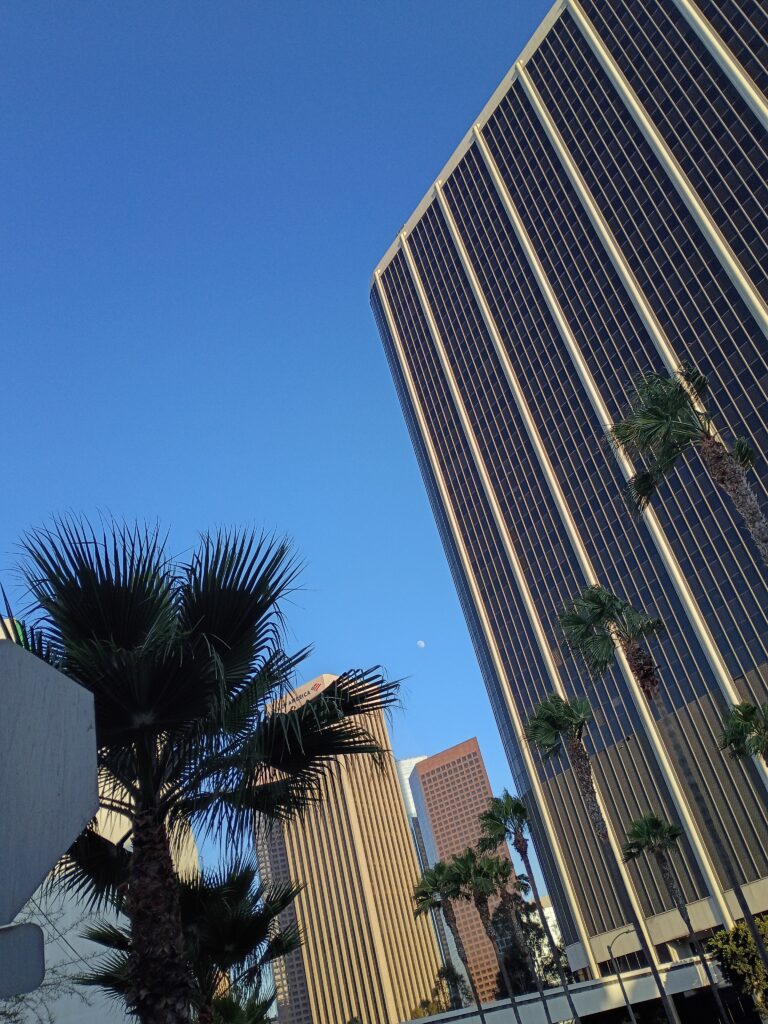
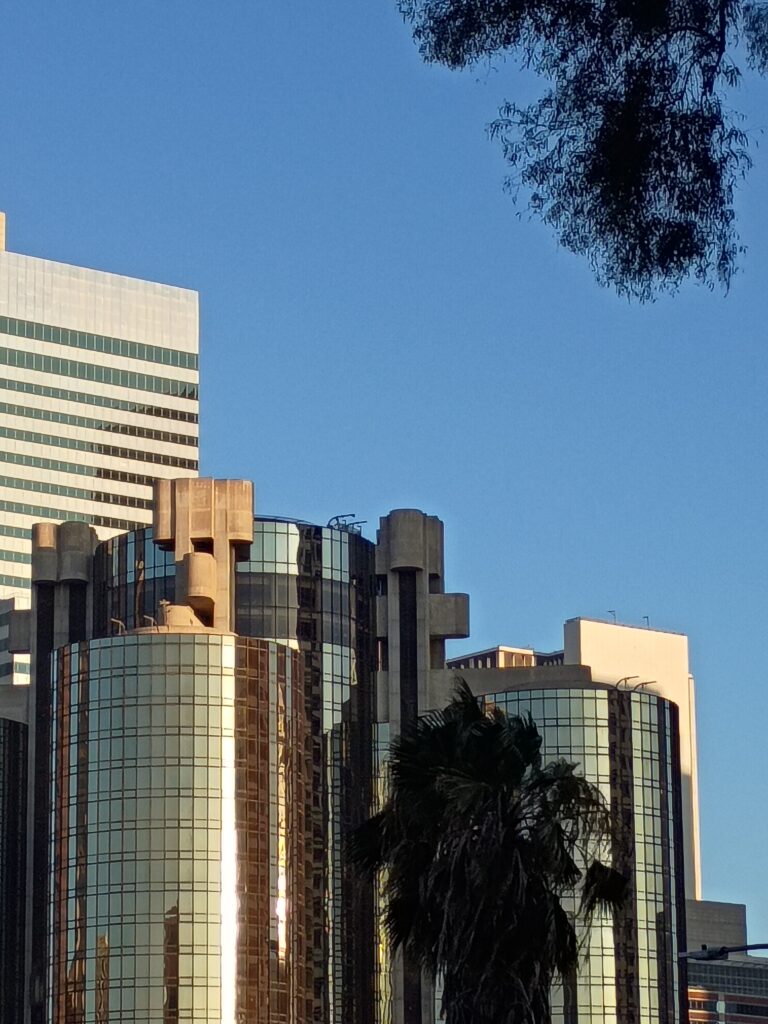
Something that I love about Downtown Los Angeles is its flowing geometricity. One gets the sense that one object in the environment leads to another in straightforward, visually harmonic ways. There is a minimalistic sleekness in this compact skyline; it condenses and subtracts; it interacts and one can feel at times as if assembling a visual—perhaps spatial–puzzle; “construct your own view,” so to speak.
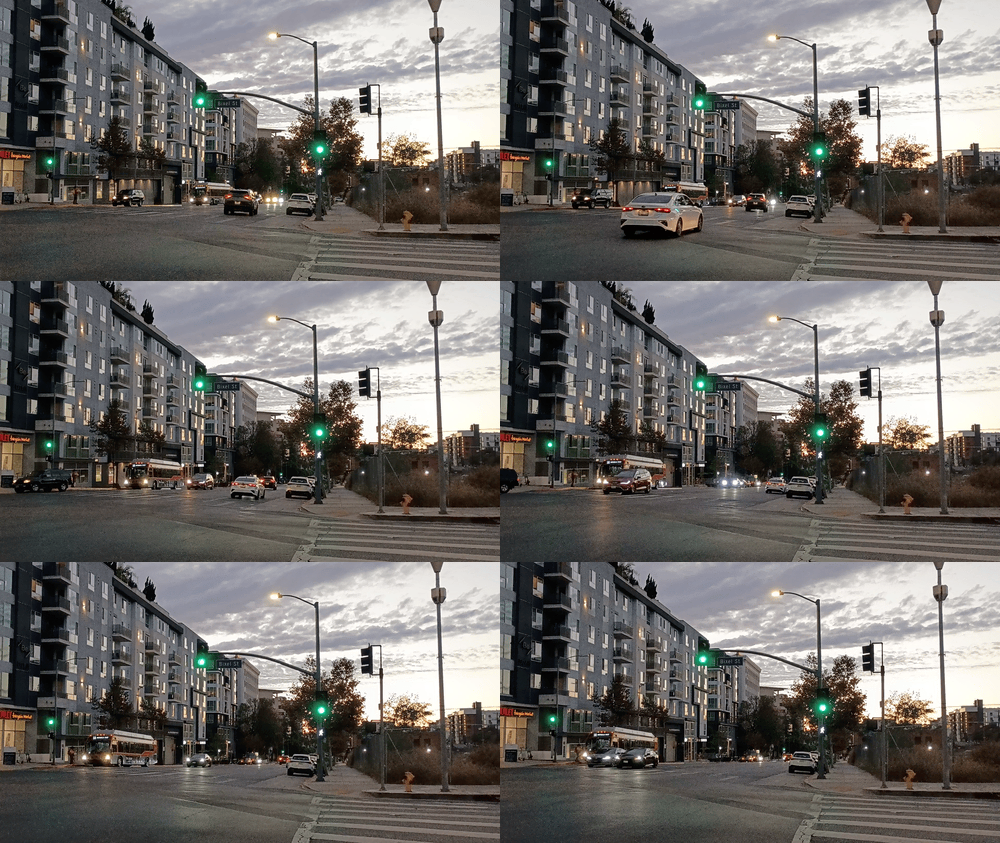
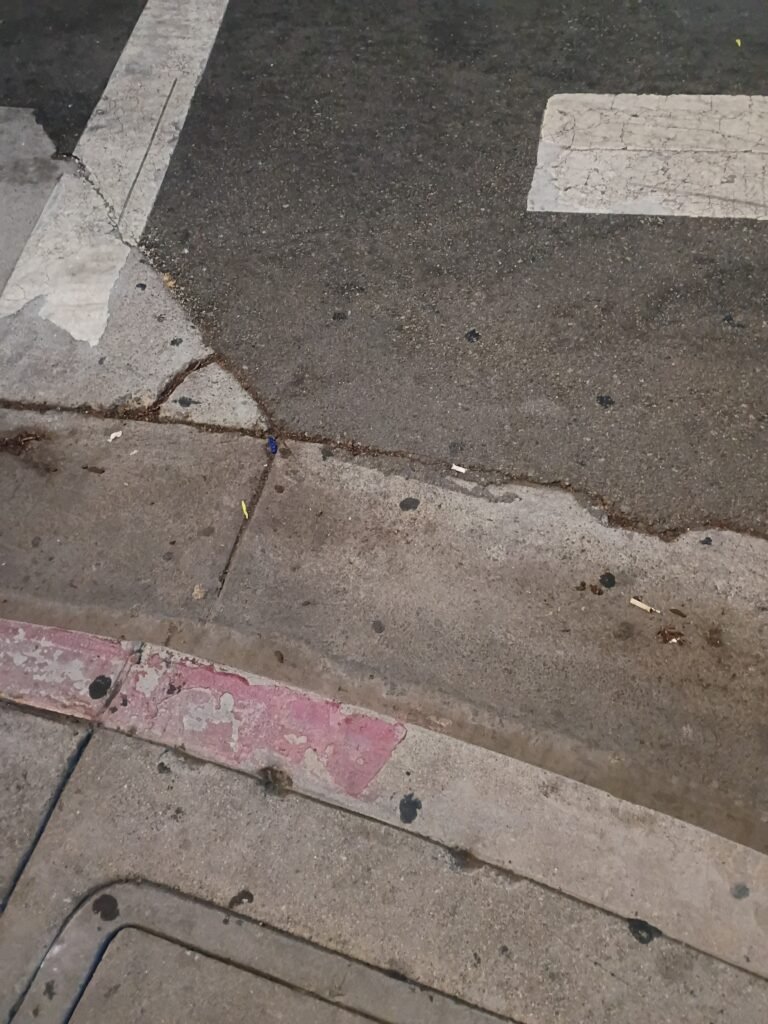
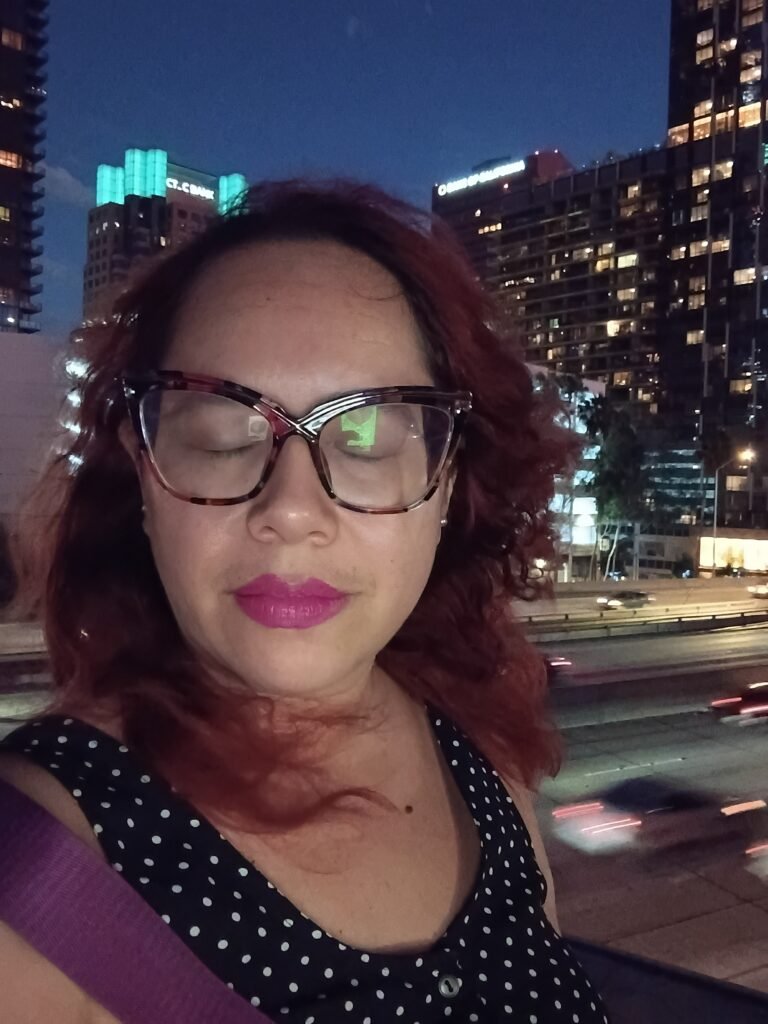
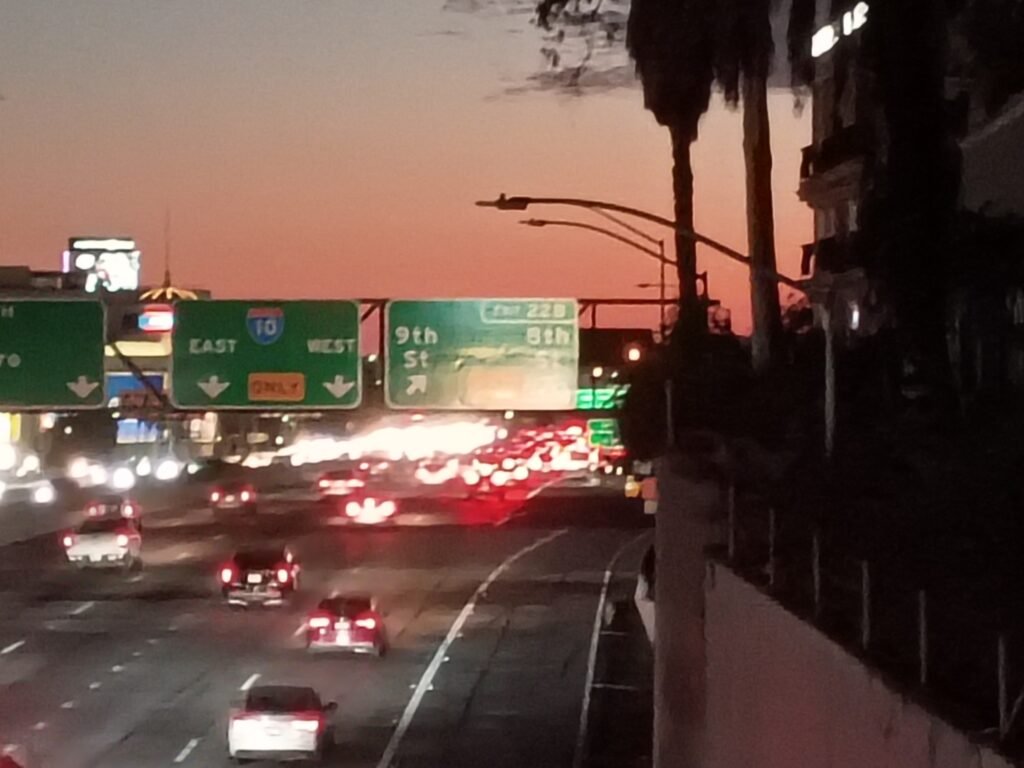
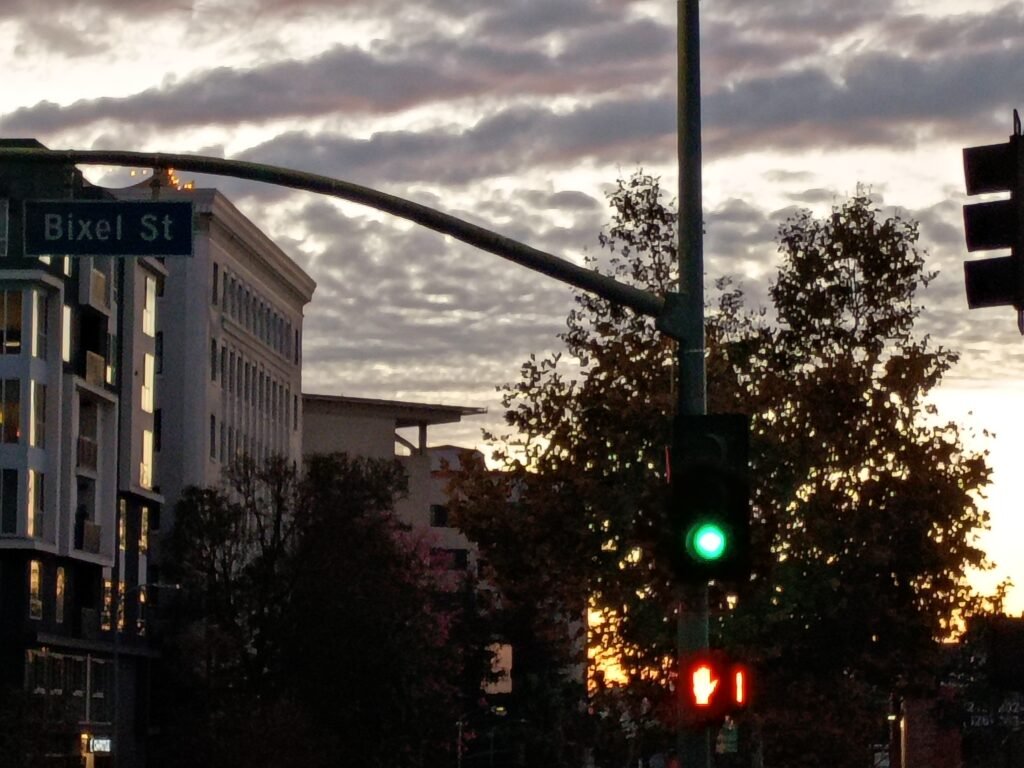
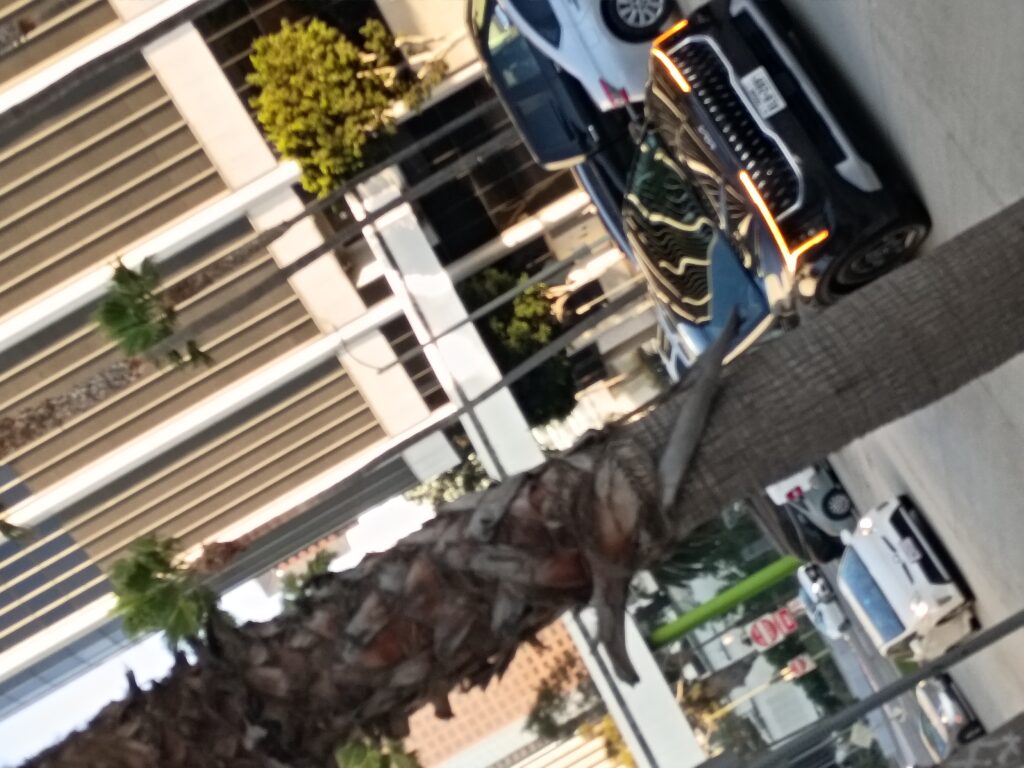
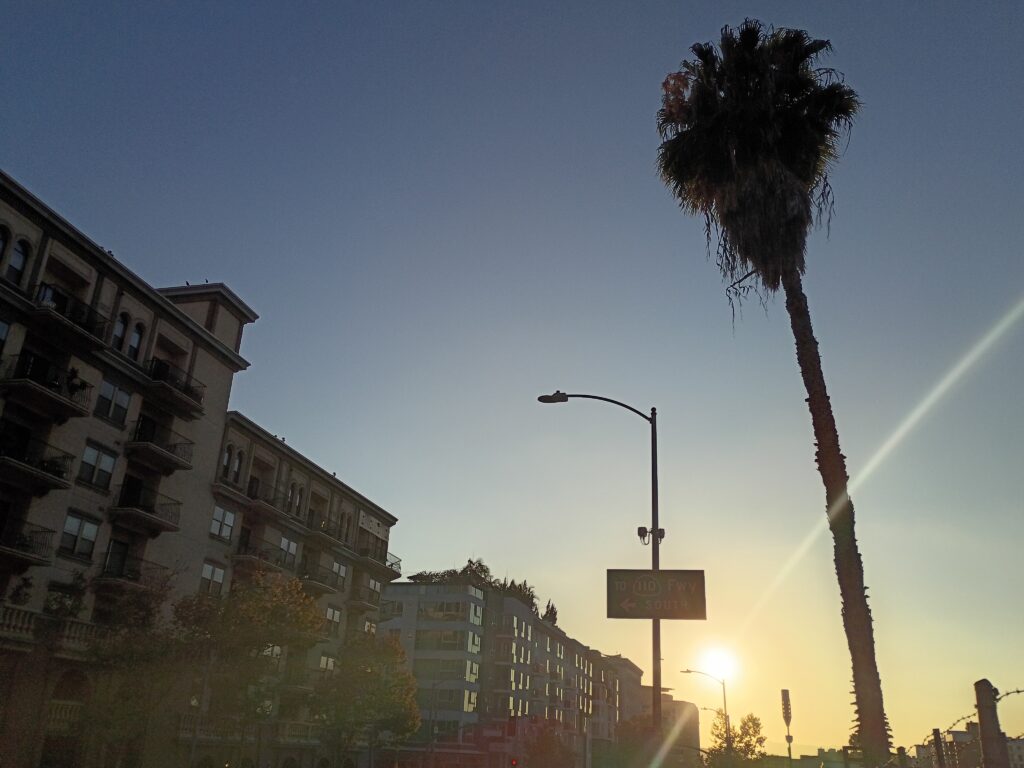
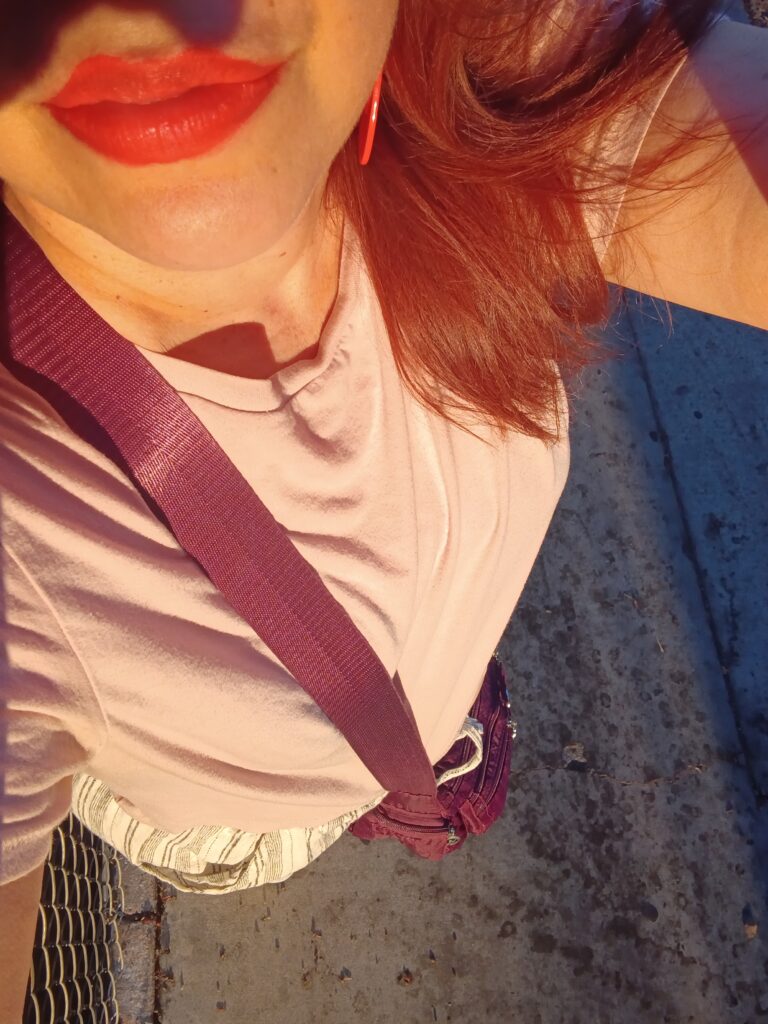
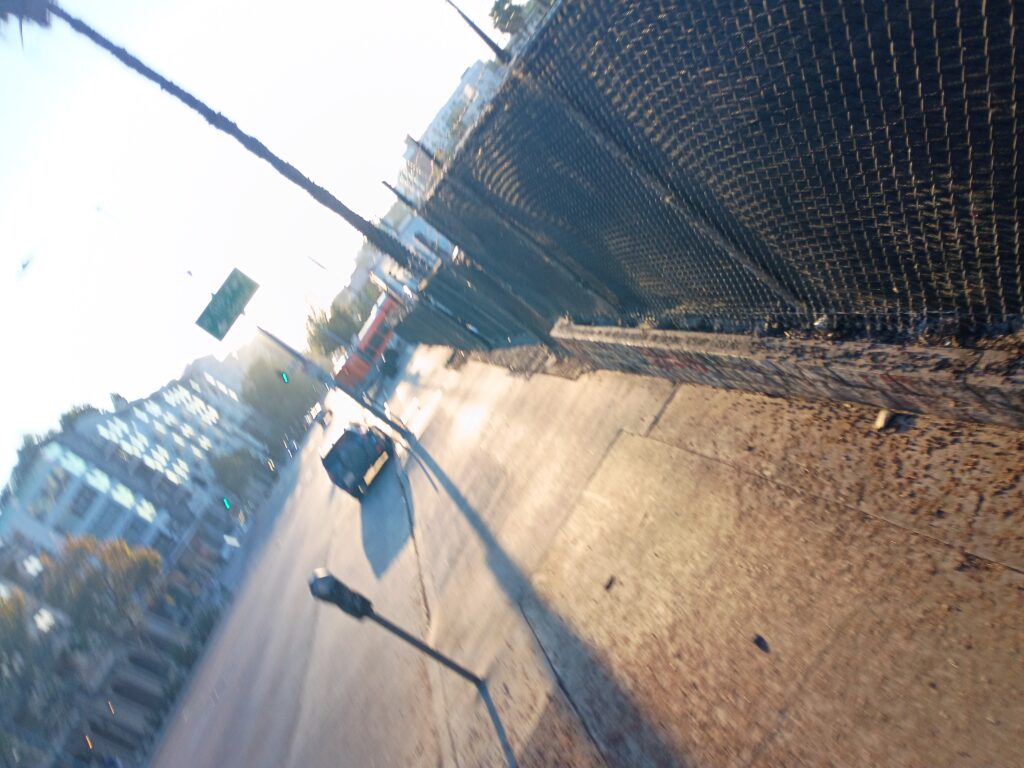
There is a begrudging charm to this no-nonsense approach to the city grid, which is structured but also surprisingly fluid. Out for a walk today near downtown, I appreciated the curves and slopes of the streets, helping your eyes go along for a jog.
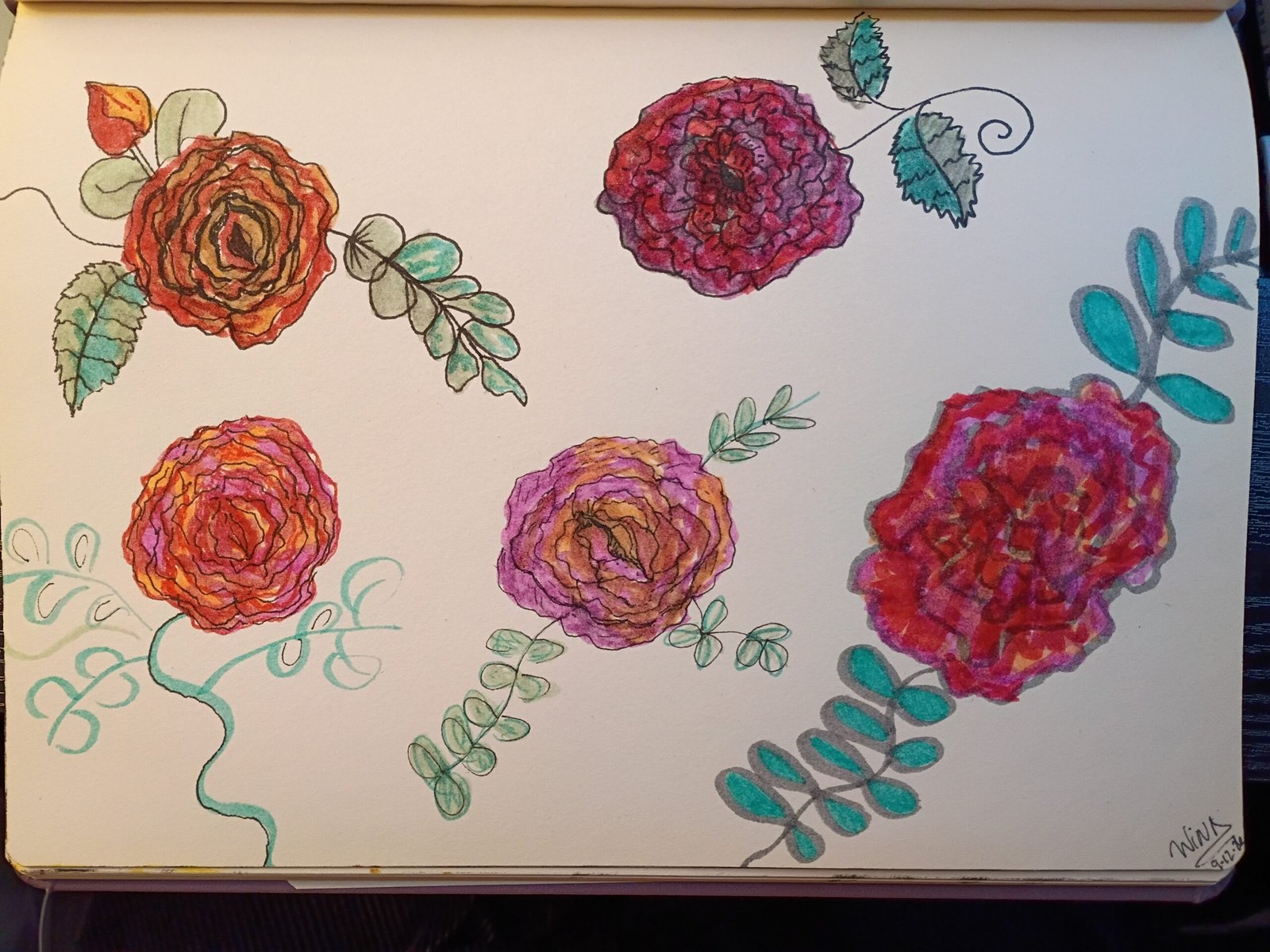
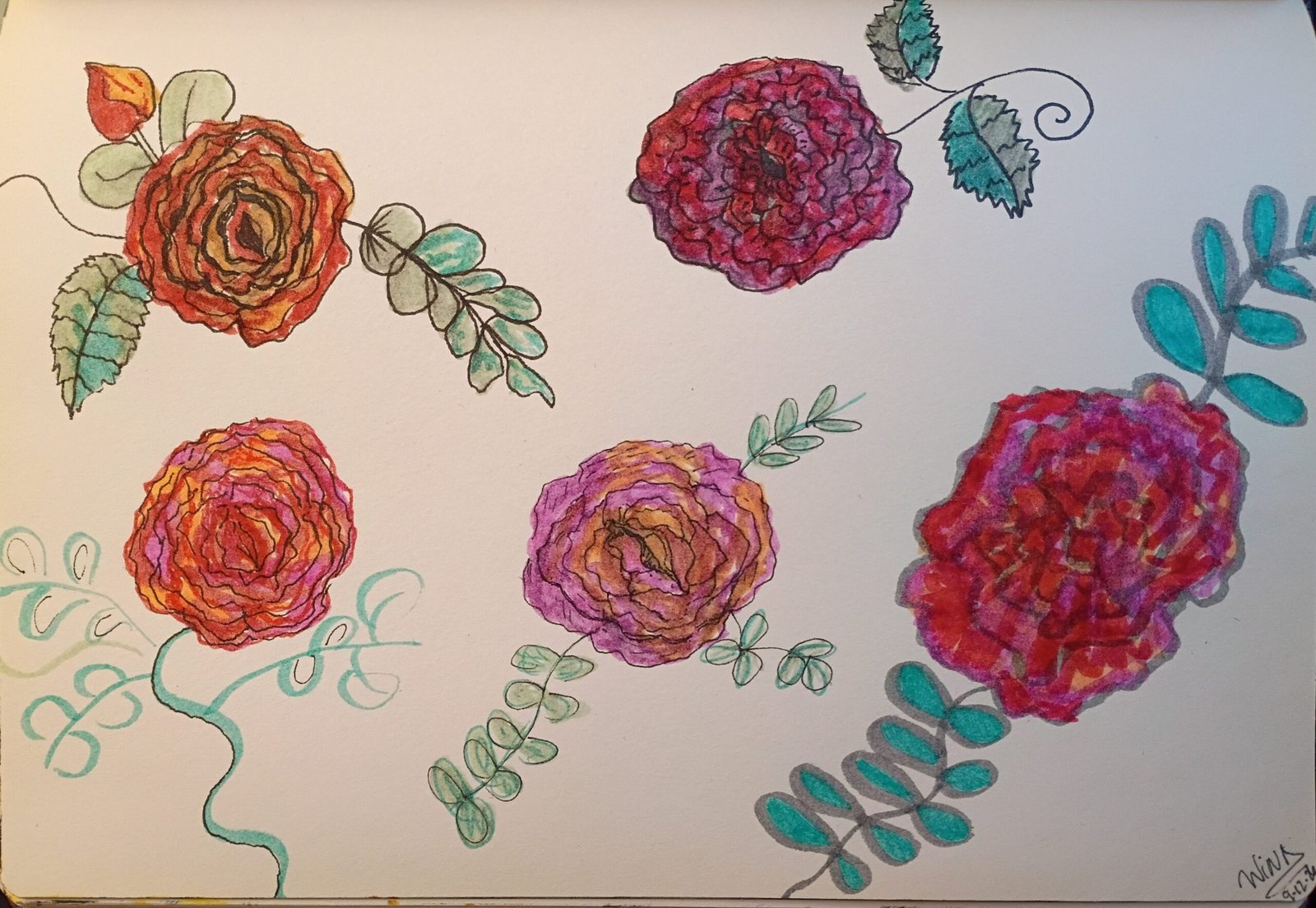
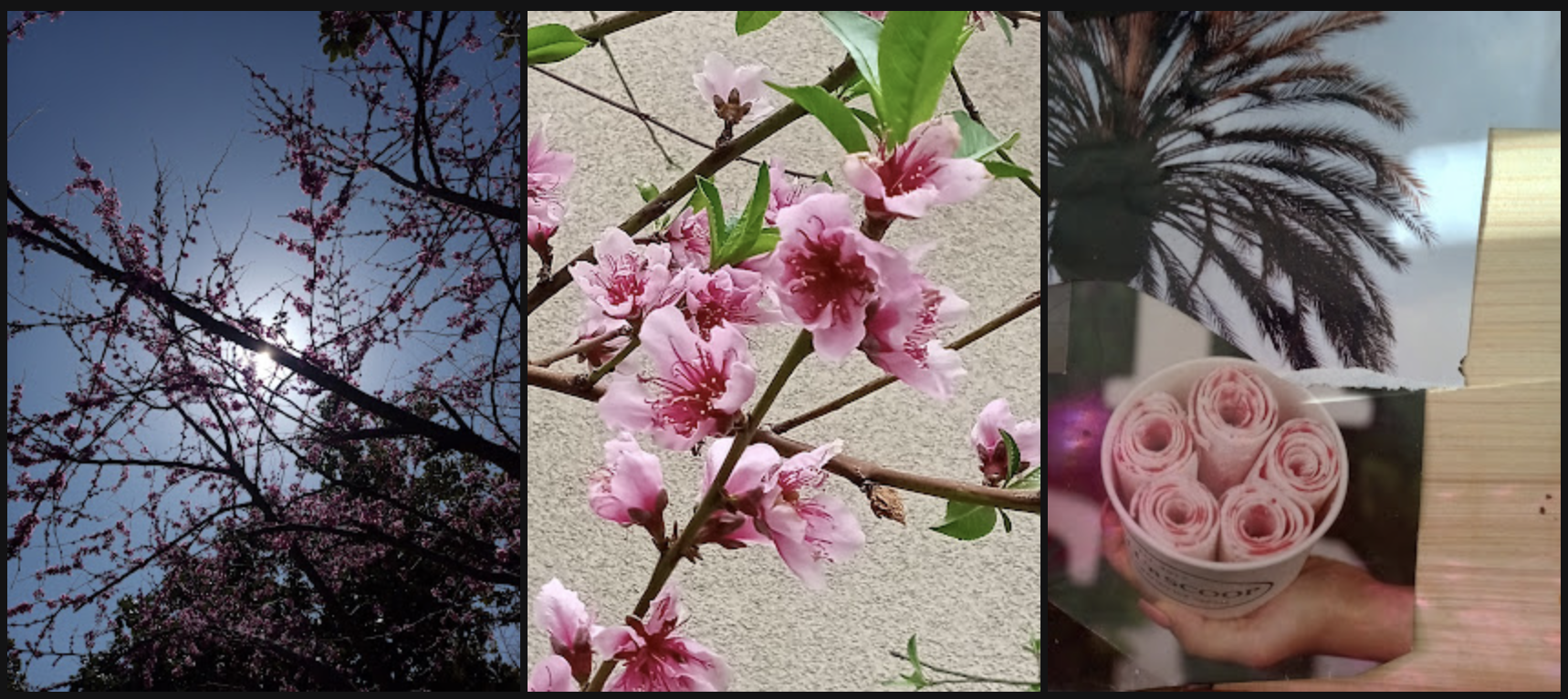
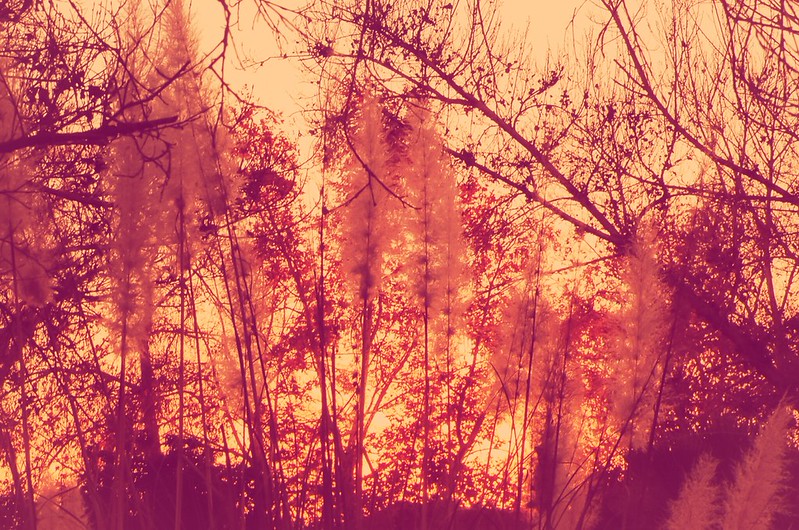
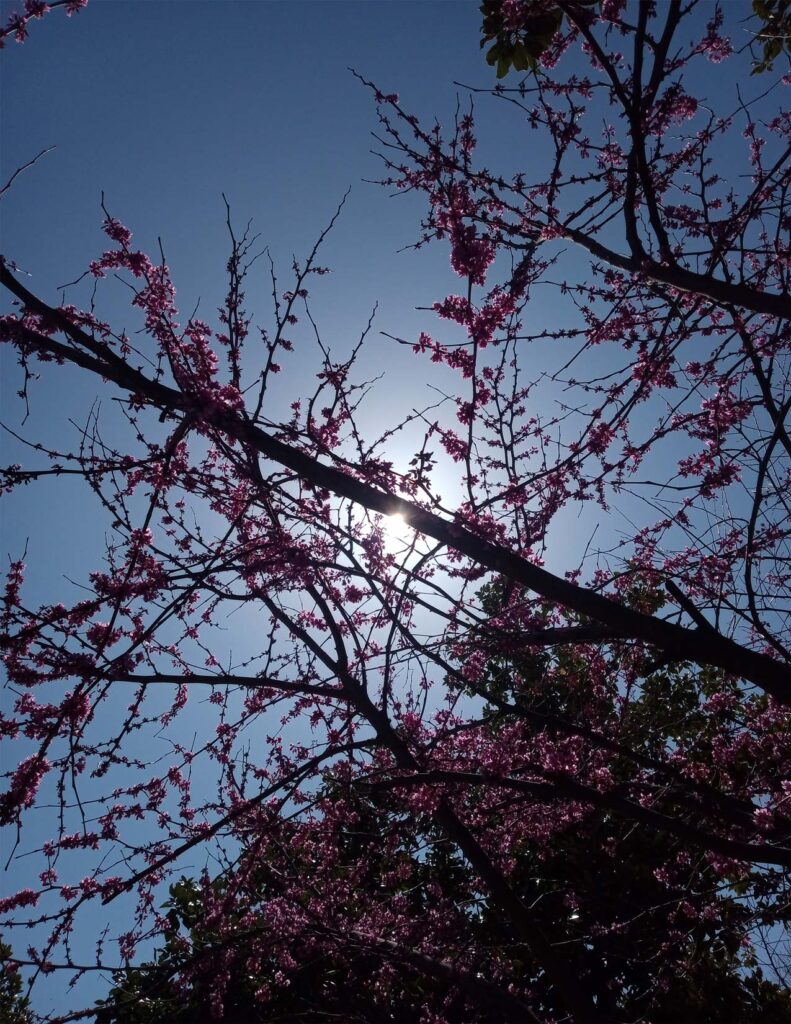
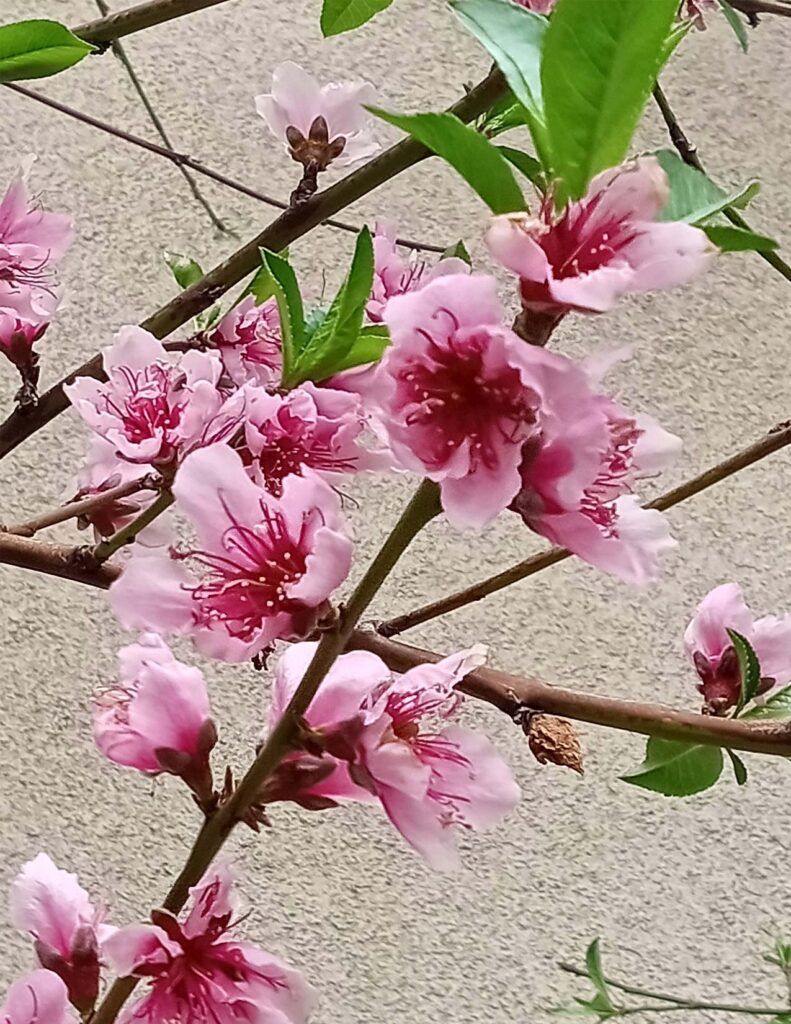
I was going through some of my floral artworks today, just minded to observe the relationships between them in some detail, when three works caught my attention: Blossoms at High Noon, Tiny Apple Blossoms, and Pasadía (original collage).
Mostly, I love the formal connection between them; how one branch leads into the other, establishing a sequence between the works. Juxtaposing these images, it occurred to me that so much of perception is like that, intentionally or non.
These three scenes in particular lead the eye from dimness to clarity to the creative junction of disparate visuals, creating a coherent whole. These florid branches of apple blossoms, seen from afar, have been made dim by the searing clarity of the light behind them. So it goes with life: sometimes a handful of light creates a fistful of shadow. Zooming in to the tiny apple blossoms, we can appreciate more clearly the subtle nuances of each flower. Petals interact in proximity, in natural harmony, in turn perceived as a delicacy by the eye.
So much is derived from the harmony of nature. A sense of balance, of fulfilling logic, emerges from these simple events within and throughout nature, just waiting to be grasped.
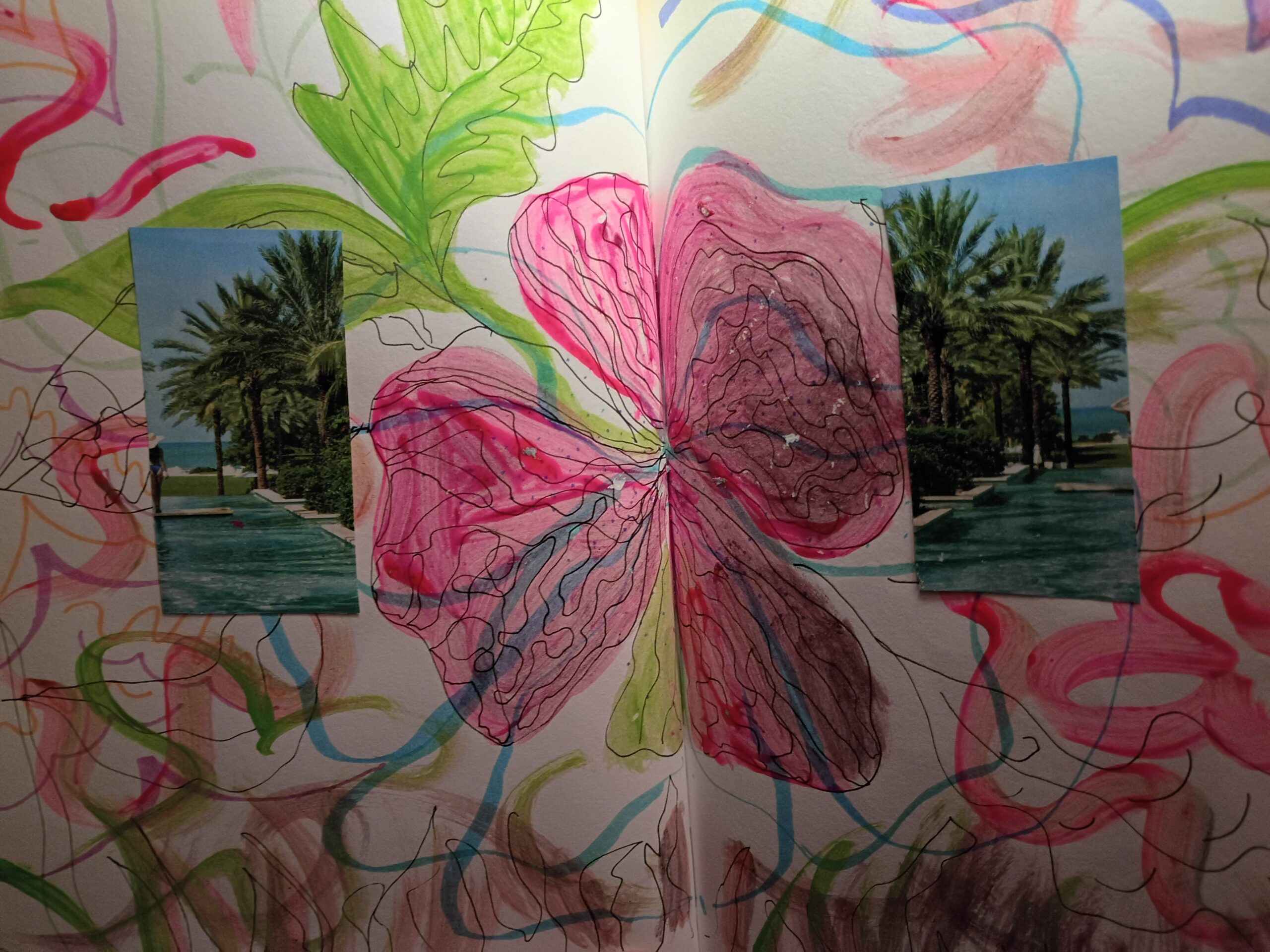
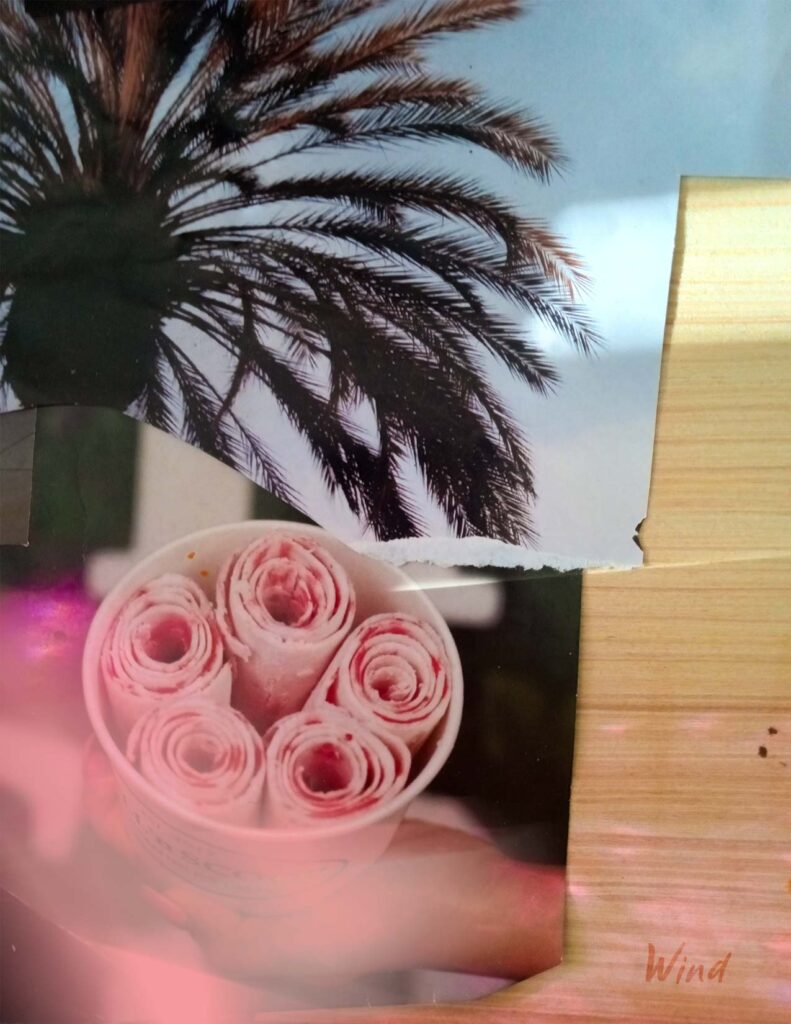
The final artwork is named Pasadía (“Day Trip”) because it unfailingly evokes in me that simple freedom of spending a day outdoors, enjoying sights and little treats. These simple but necessary experiences in life help us reset and focus on reality as lived momentum.
Contextualized by the two photographs, Pasadía also strikes me as the culmination of a centered awareness on nature’s details. We are able to access these moments as we live them, as they are encountered the first time, and we are also able to recover them from memory and reinvent them in novel, interesting ways. As such, the pasadía lives outside and within, forever melding across consciousnesses to infuse our present lives with meaning.
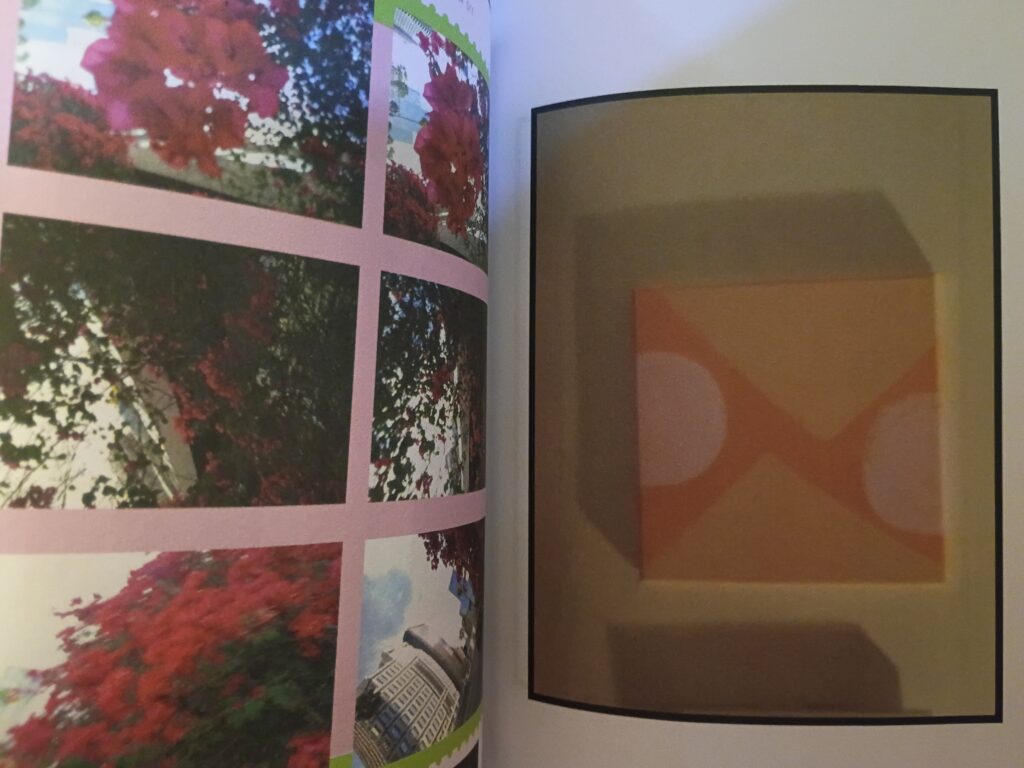
Through collage, some of that perceptual layering becomes expressible through reliefs. Here I rather like how light meets paper to create a lived sense of illumination. Shadows naturally frame the work, also evoking the paradoxical effects of lighting.
Hey Everyone! I’m happy to share that the Collage 26 free e-book campaign was a success! 🎉
Many thanks to all who downloaded the photobook. If you enjoy the photo-collage art exhibit, I hope that you consider leaving a review on the Collage 26 Amazon page (windma.net/collage26). Comments here or through contact@windma.net are also greatly appreciated!
If you missed the free e-book promo, you’ll be glad to know that, in gratitude for the support, the Collage 26 e-book price has been lowered to just $2.99! So… grab it while it lasts!
There is also a print version available at $14.99. There’s something about printed art that hits a bit different, so I hope you consider getting the printed exhibit as well ^_^
Thanks again for the support! I know there is an impossible amount of exclamation points in this post. I think that the level of excitement warrants them, so here’s another one!
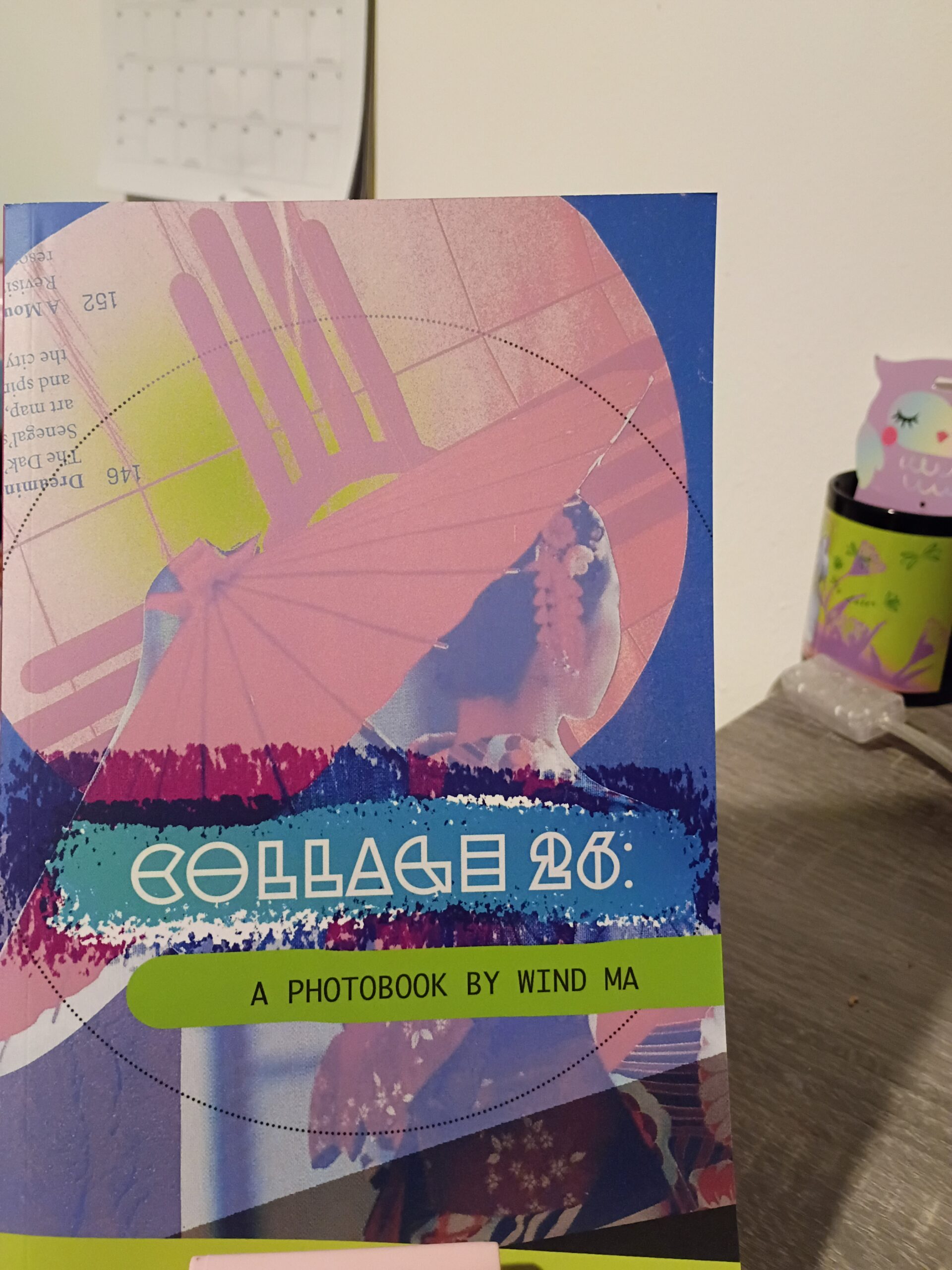
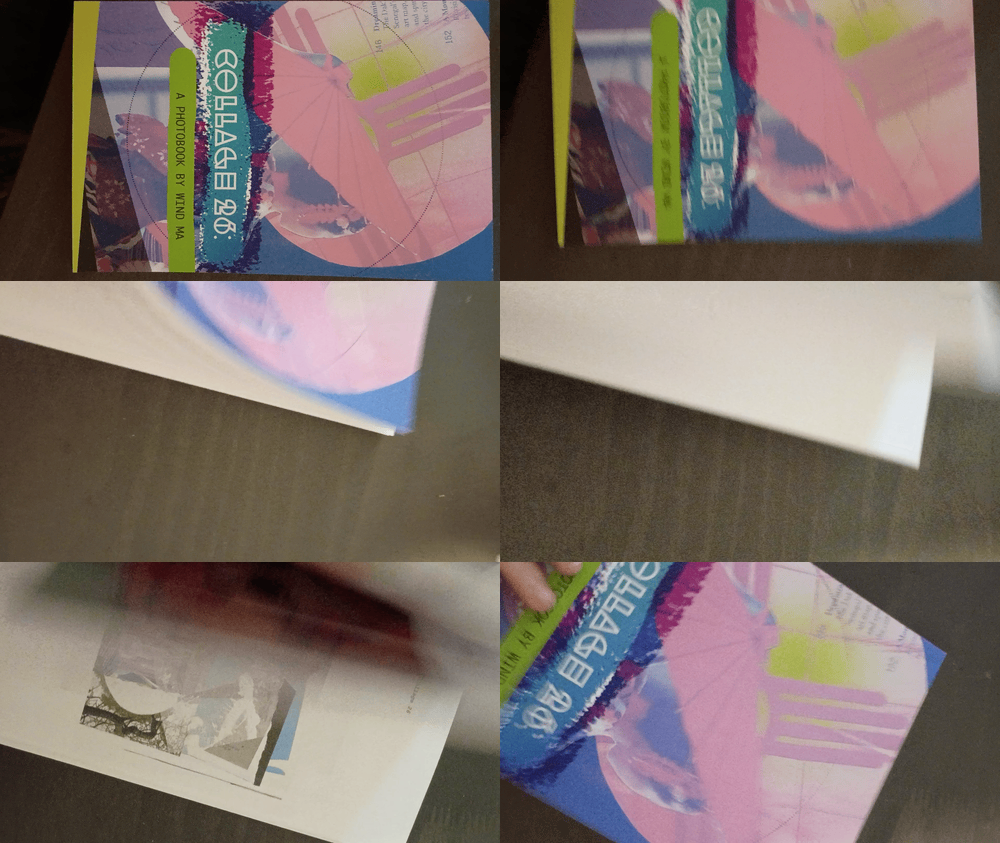
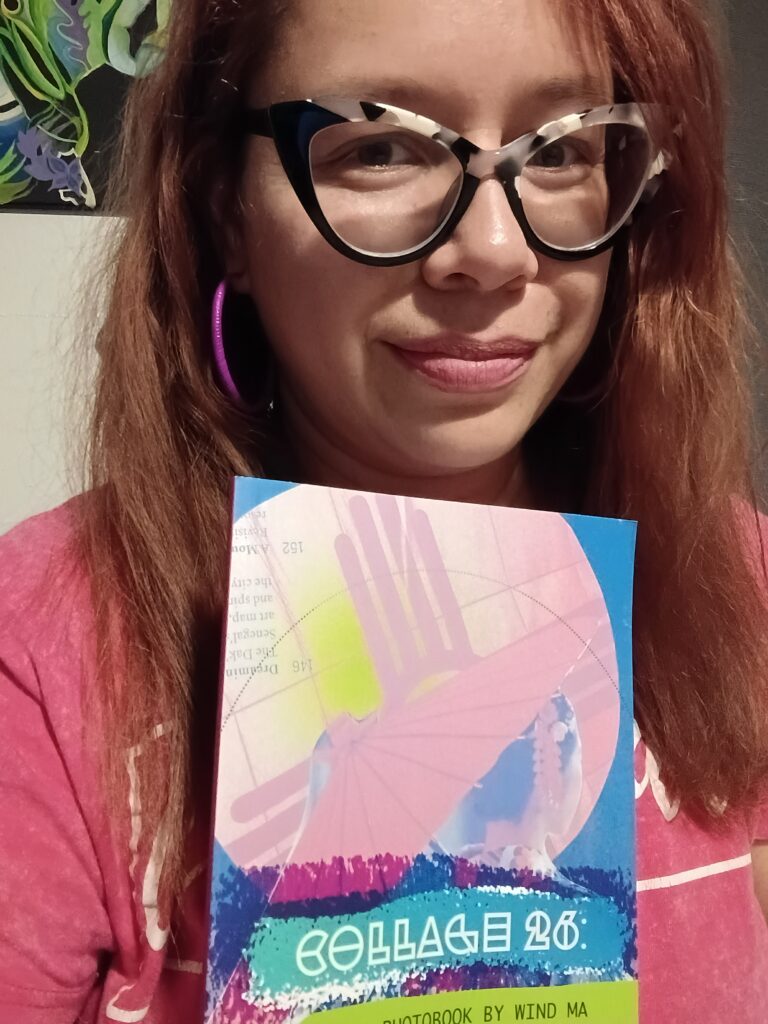
Hi Everyone! I’m quite ecstatic today—my paperback copy of Collage 26 arrived today! And y’all, it looks so feature-fresh; I’m happy 😀
Wind Ma with her paperback 😀
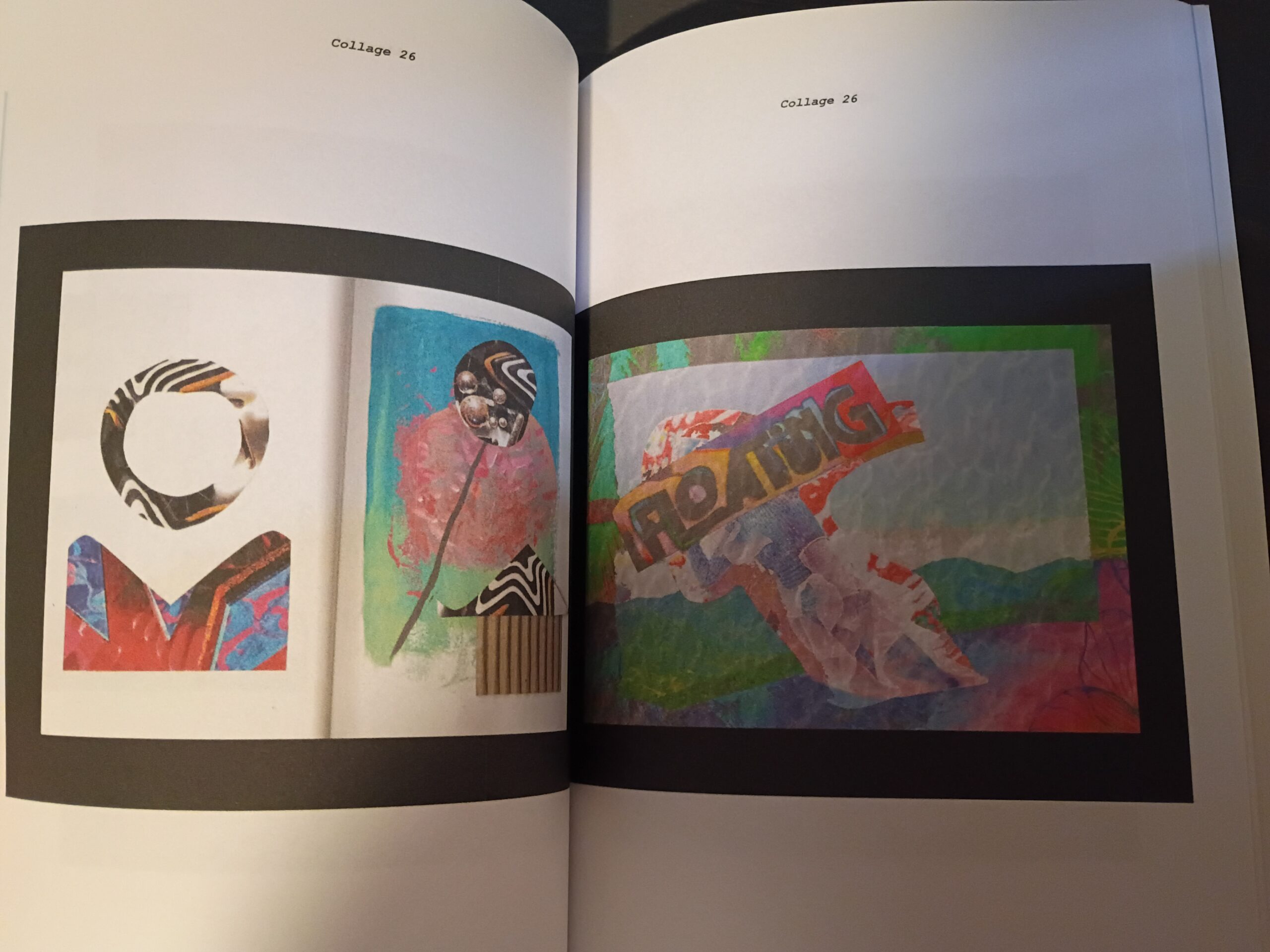
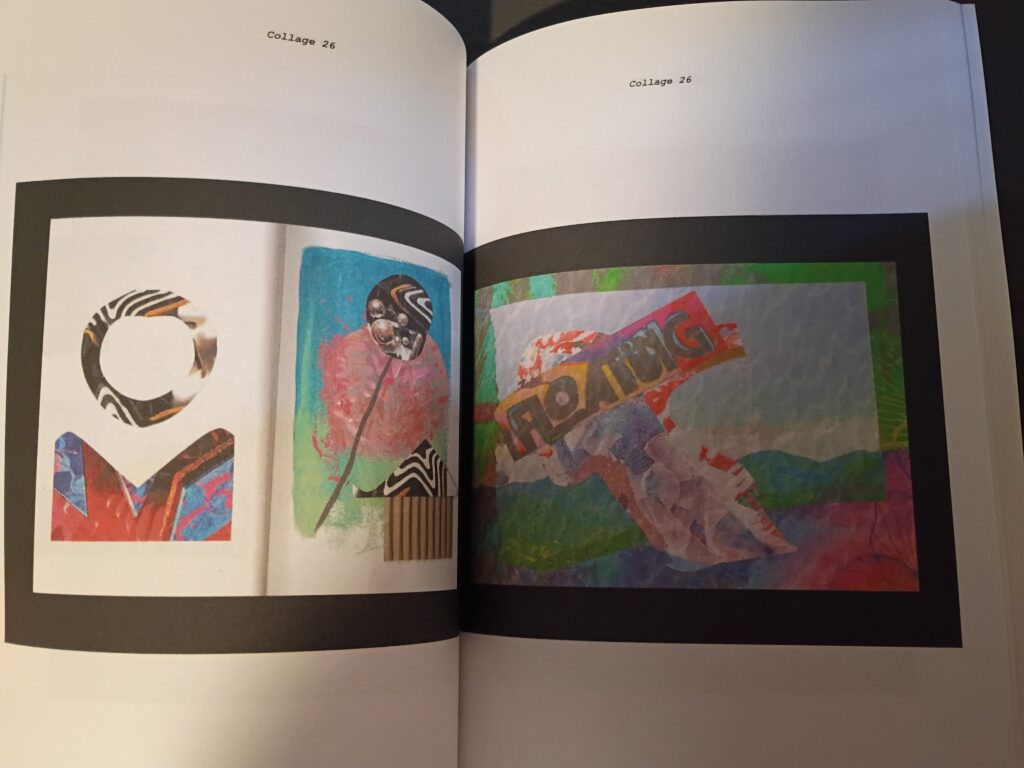
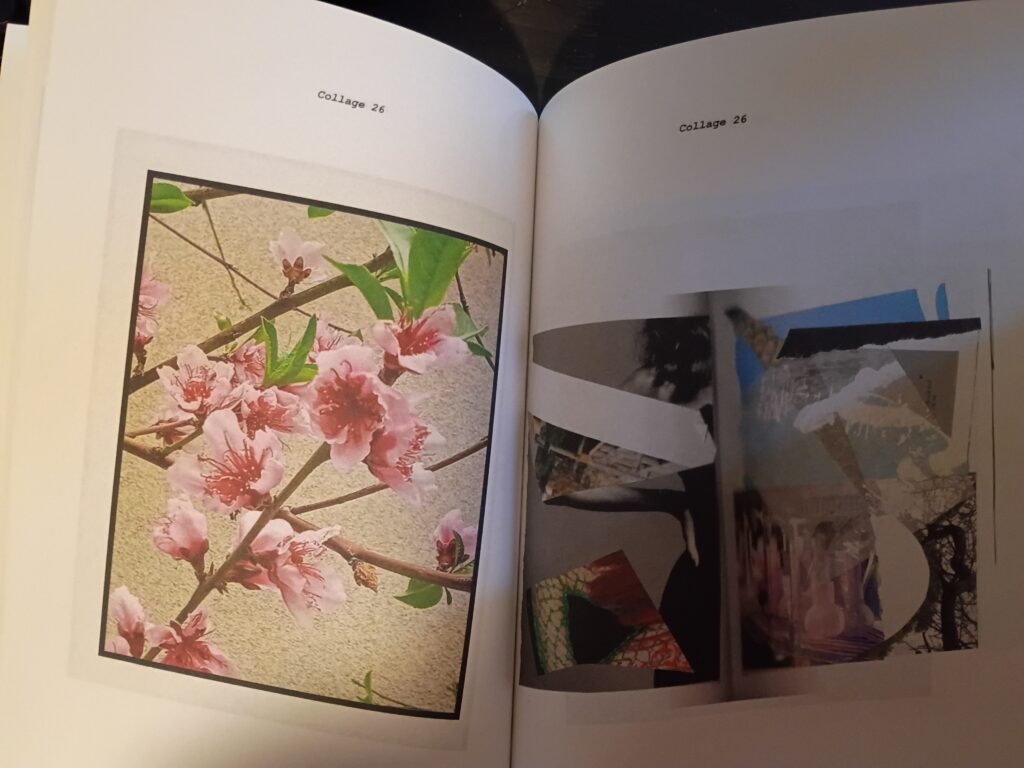
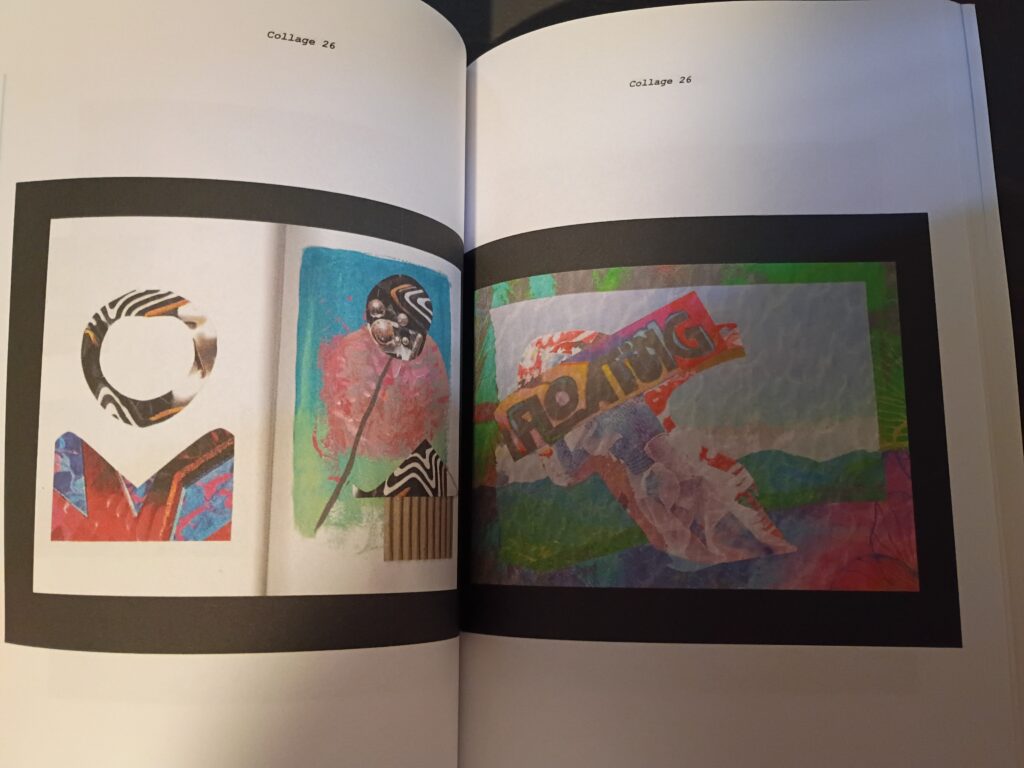
I’m sharing some highlights to celebrate! Of course, nothing beats having the book in your hands and all, but check out the texture of actual paper:
You may have noticed that the photos have no captions underneath them. These works do have titles, but they’ve been included as an appendix, so as to not detract from the artwork itself.
A good sailor knows that there are many winds driving ships across the sea. And because art has a funny way of mirroring life, especially without intention, so too does artistic inspiration have many Winds.
Well, one of these Winds, at least for me, is called Inés. I don’t know why this fragment of inspo decided to be called Inés—I simply obeyed, and set off on the task of documenting nature.
One of my photography profs said that Amsel Adams’ style of photography was passé. Nature photography, he argued, was more relevant in the past, when people lacked the means to travel; to take hearty vacations in remote places with hiking trails. “Now-a-days, everyone has smart phones that can take these sort of photos,” he said (more or less).
And while that may be true, in a way, it certainly doesn’t cancel the fact that the awe inspired by nature is timeless. Even Kant essentially argued that, while Nature is not art, its greatness is certainly understandable as a source of inspiration.
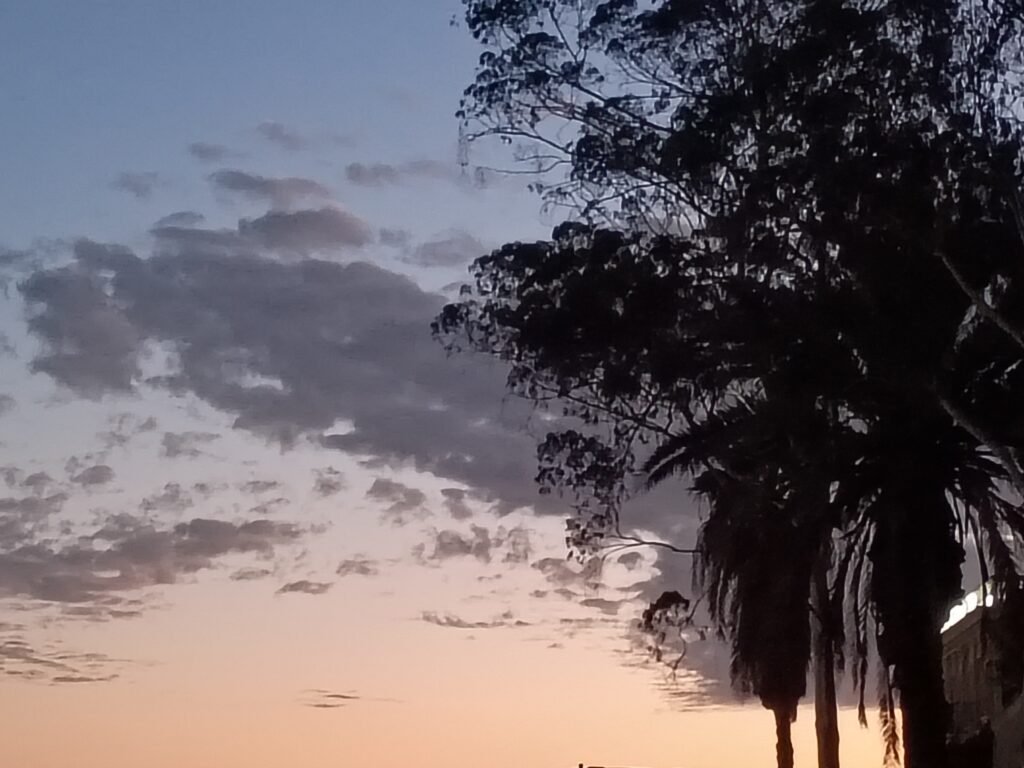
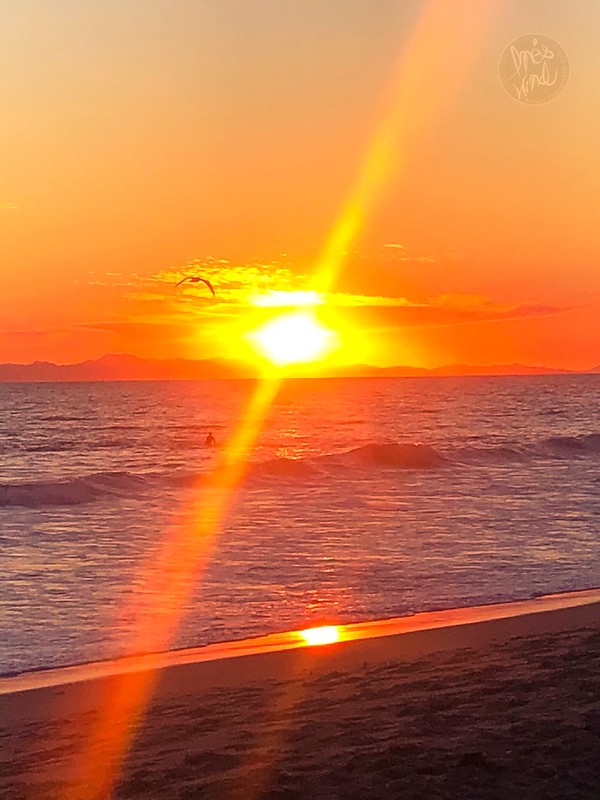
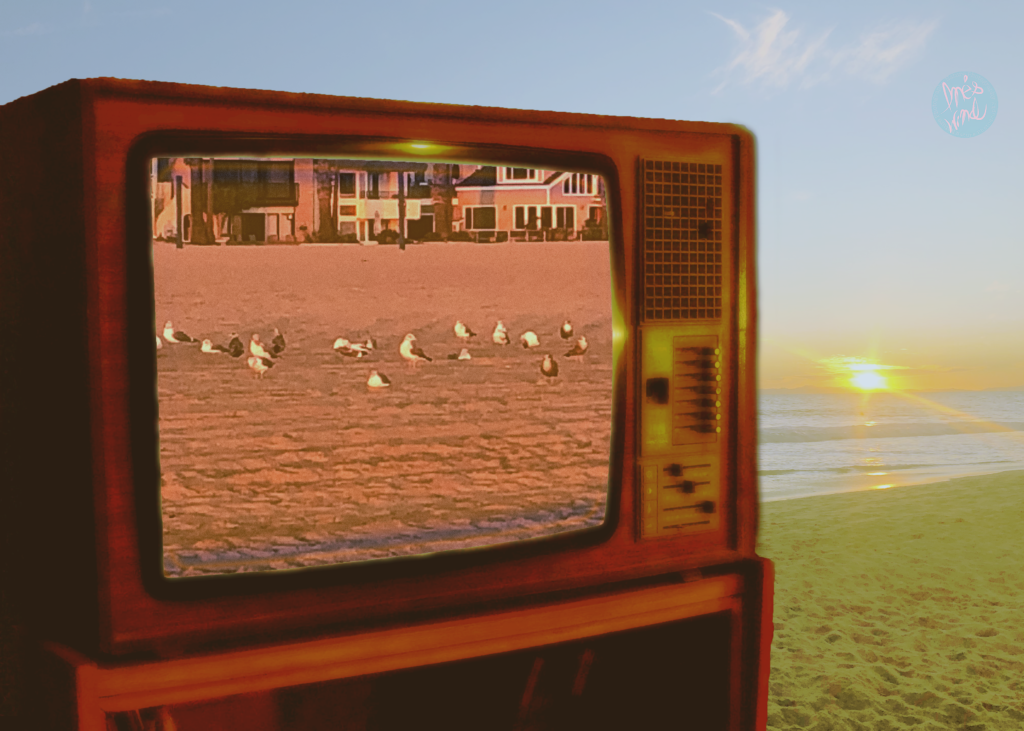
In any case, it certainly true for me that nature never ceases to spark wonder. An intense sunset is a poetic experience. A grand mountain is a source of peace. I once encountered a bunch of seagulls at the beach, and they all gathered to appreciate the amazing sunset blazing over the horizon. Even animals have a sense of appreciation for the wonders of nature. As animals ourselves, this instinct to “awe over nature” will always lead to some form of creative expression.
I stumbled upon an interesting concept the other day: the Japanese concept of Ma, or negative space.
At first, I found it fortuitous. When I chose Wind Ma as an artistic name, I thought of it as short for “Wind Marie”—“Wind” for the way inspiration seems to emerge like a breeze from out of nowhere; “Marie” for the second half of my name (I won’t name the first, because then, what would be the point of Wind? But iykyk. I’ve made it otherwise readily available, because it still feels a bit weird to go by an artistic name on a semi-pro level, but I digress).
Meaning, that I had given my nom de plume *some* consideration, but not necessarily like *that*.
In any case, I stumbled upon it while reading How to Write About Contemporary Art by Gilda Williams. Which I have to say, is a damn good book. If your (art) writing tends to become convoluted, like mine, you will find much joy and enlightenment in the useful–albeit snarky– witticisms of Williams.
But anywho! Back to the concept of Ma.
Intrigued, I looked into it for more insight. According to Japan House LA, the concept of Ma pertains to a pause in space. Think of the pause in a song, or the spacious emptiness in the middle of the room.
Almost instantly, I felt the concept resonate with “Ma”as in Wind’s. “Ma” quite aptly describes how I approach space in more photorealistic terms. As I paused the reading to reflect on the meaning of Ma, I noticed my eyes wandering across the walls of my room, tracing some of the shadows created by a little fucsia lamp on my desk.
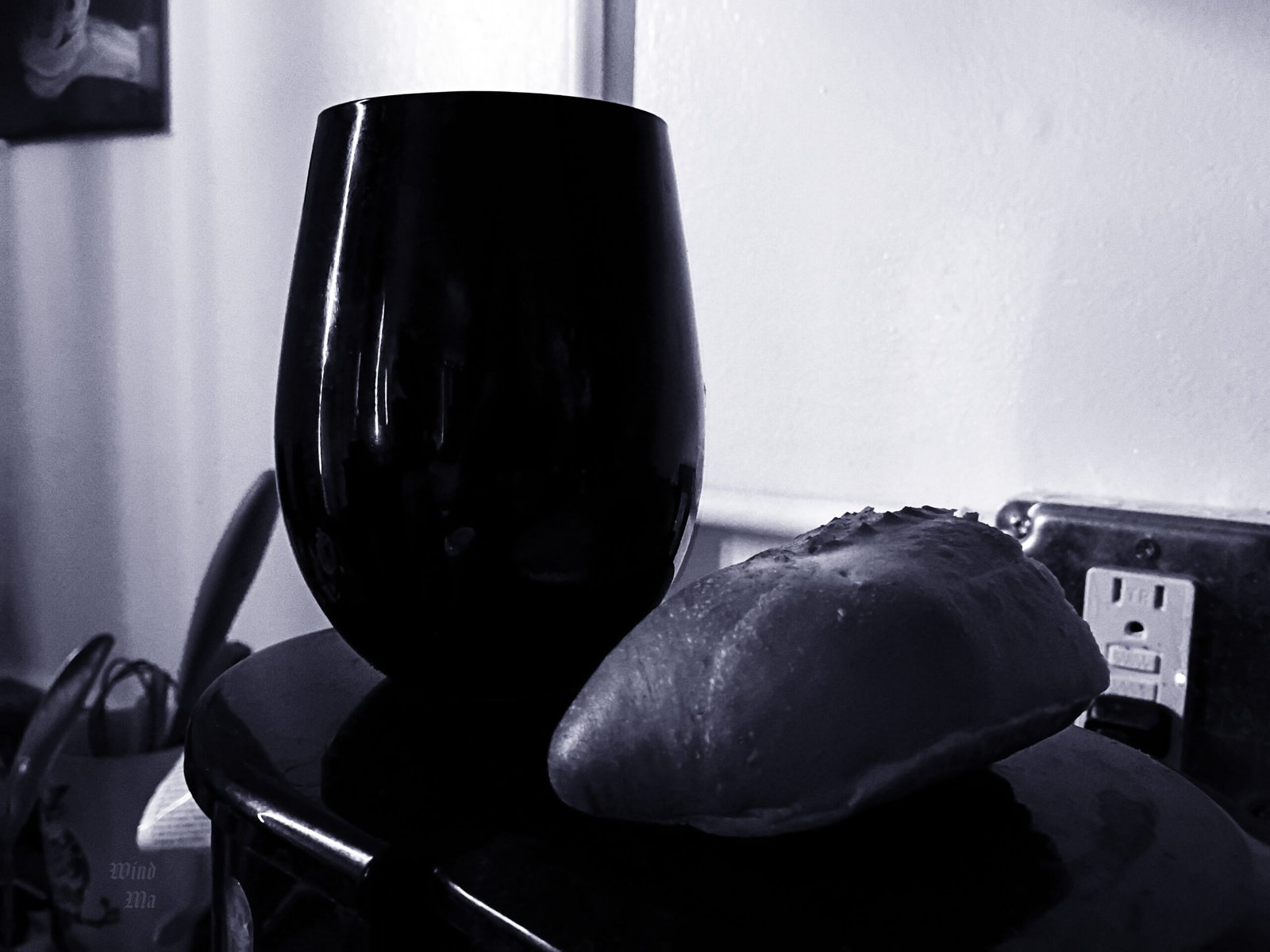
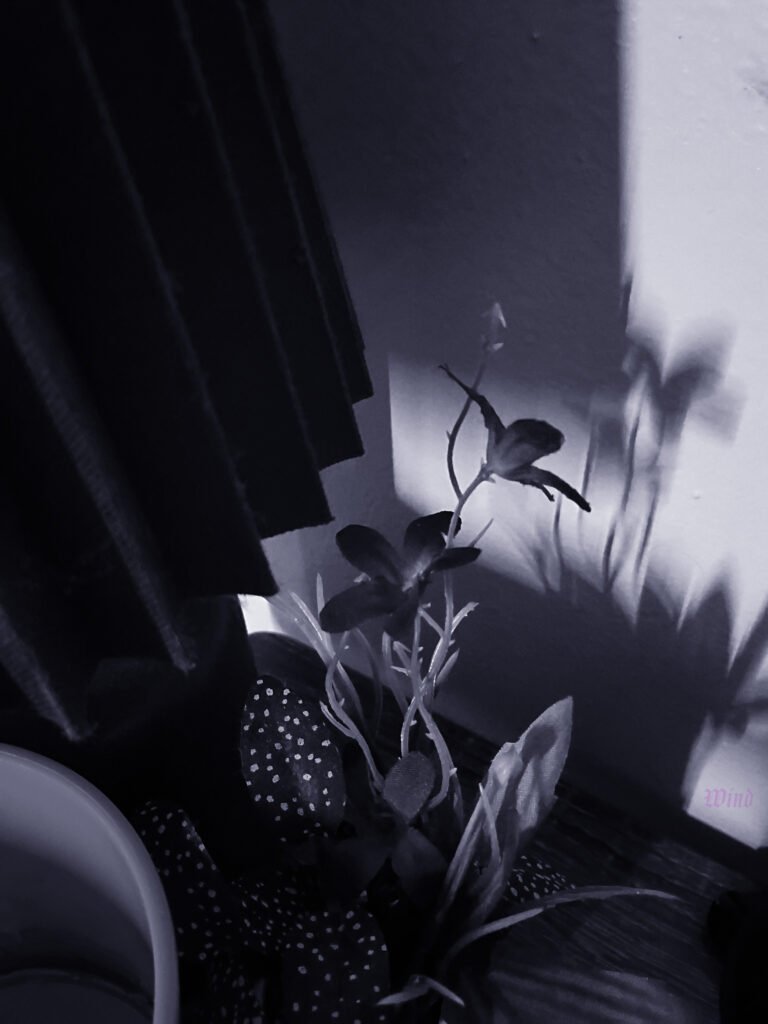
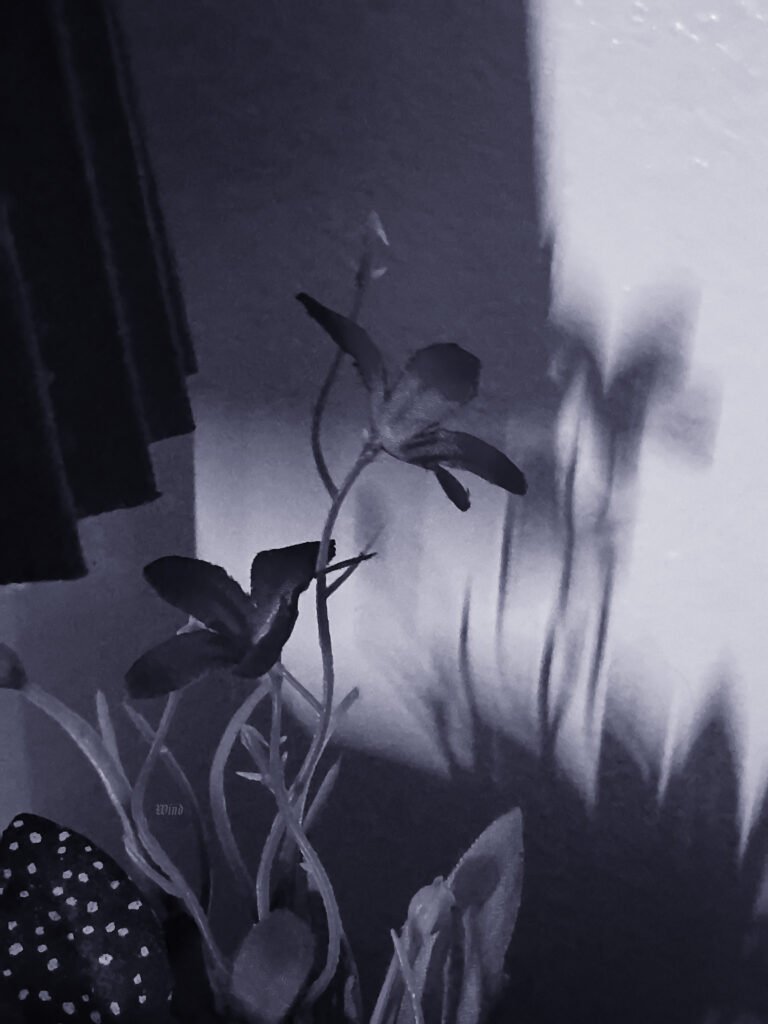
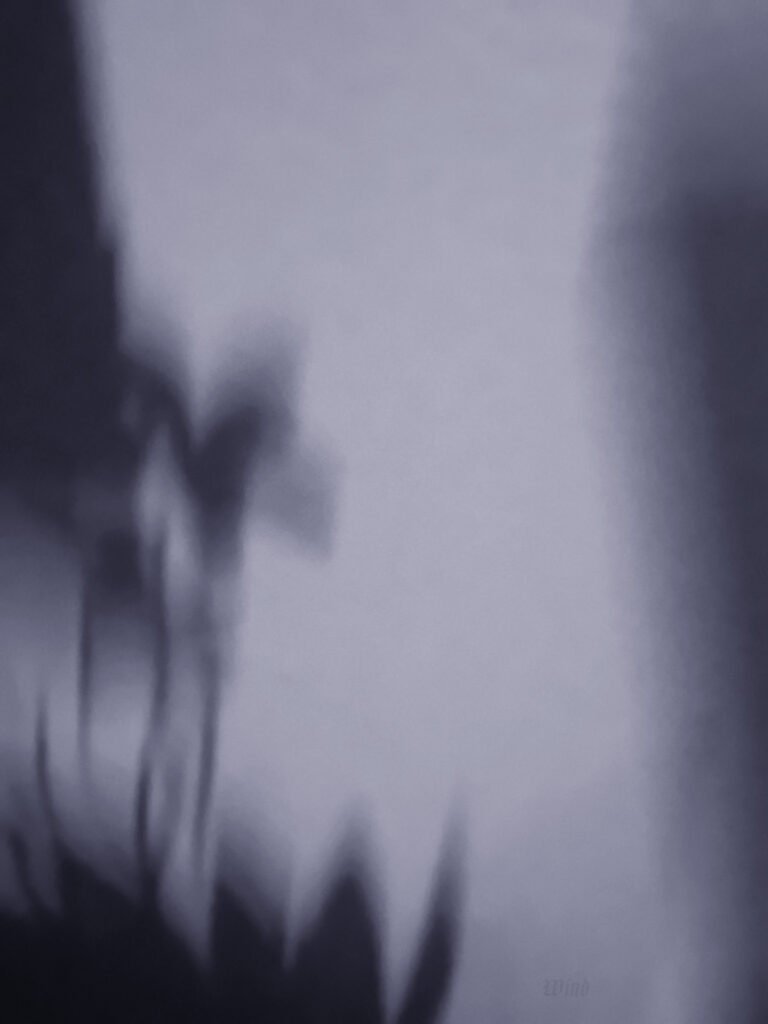
Some veritably interesting shadow forms seemed to wax and wane across the wall—some of which I captured in one or three photos:
So I have to say, it is interesting to think of shadow as another object in the room. It adds a certain depth to what would be just another thing darkly reflected on the wall.