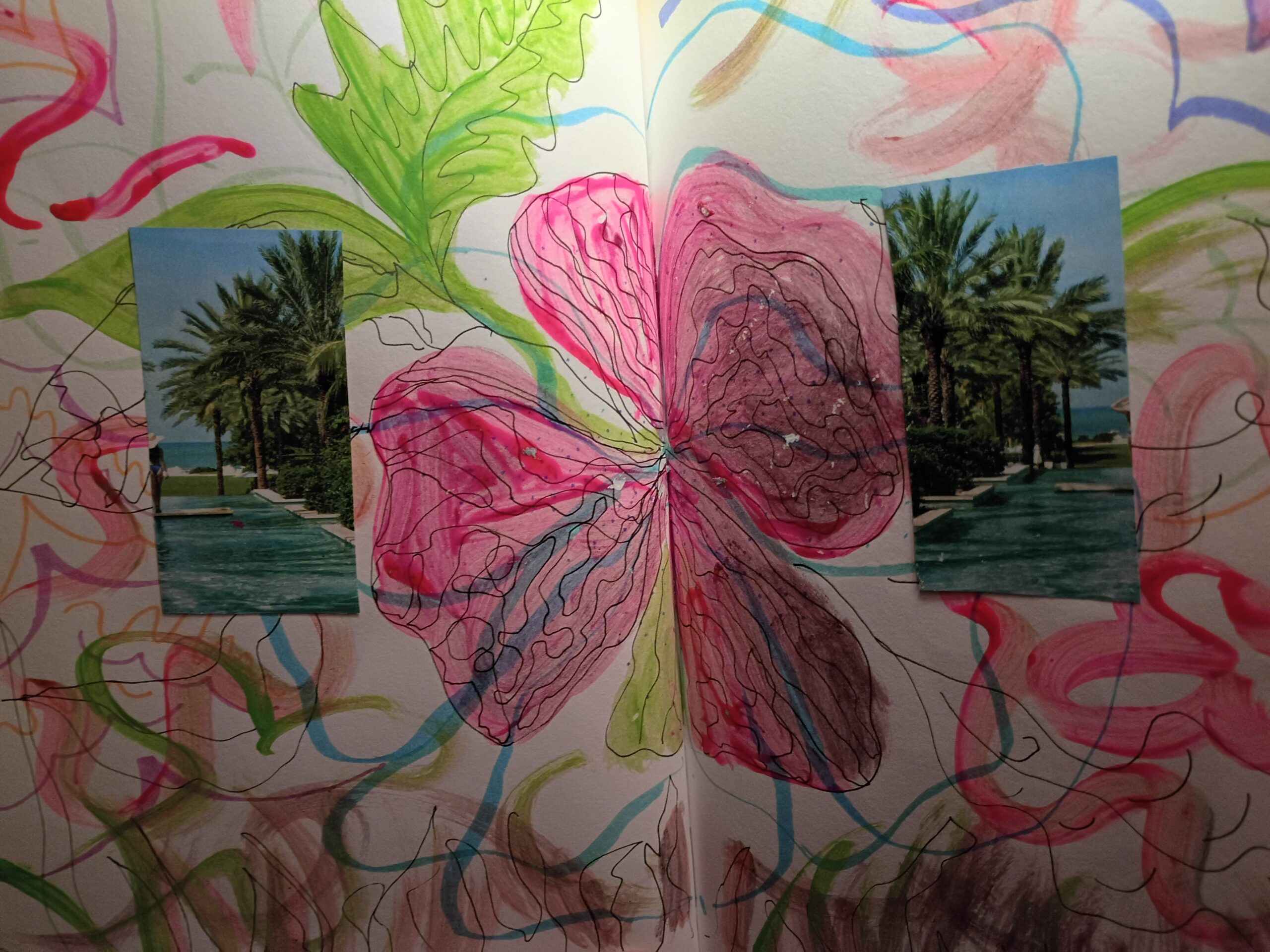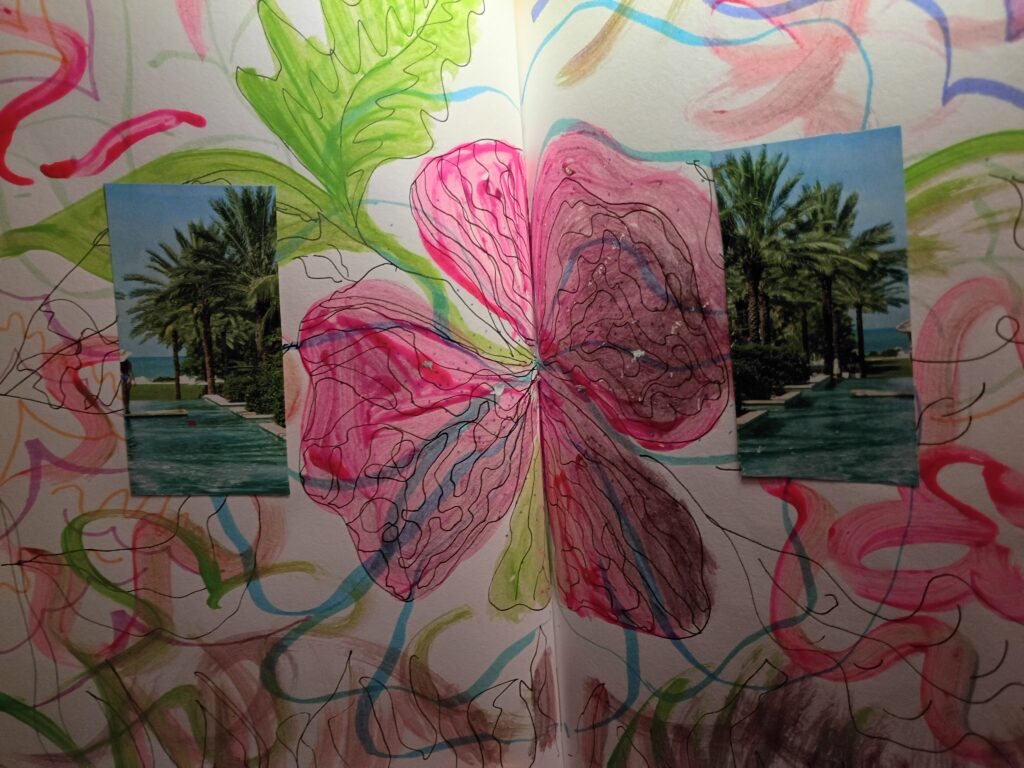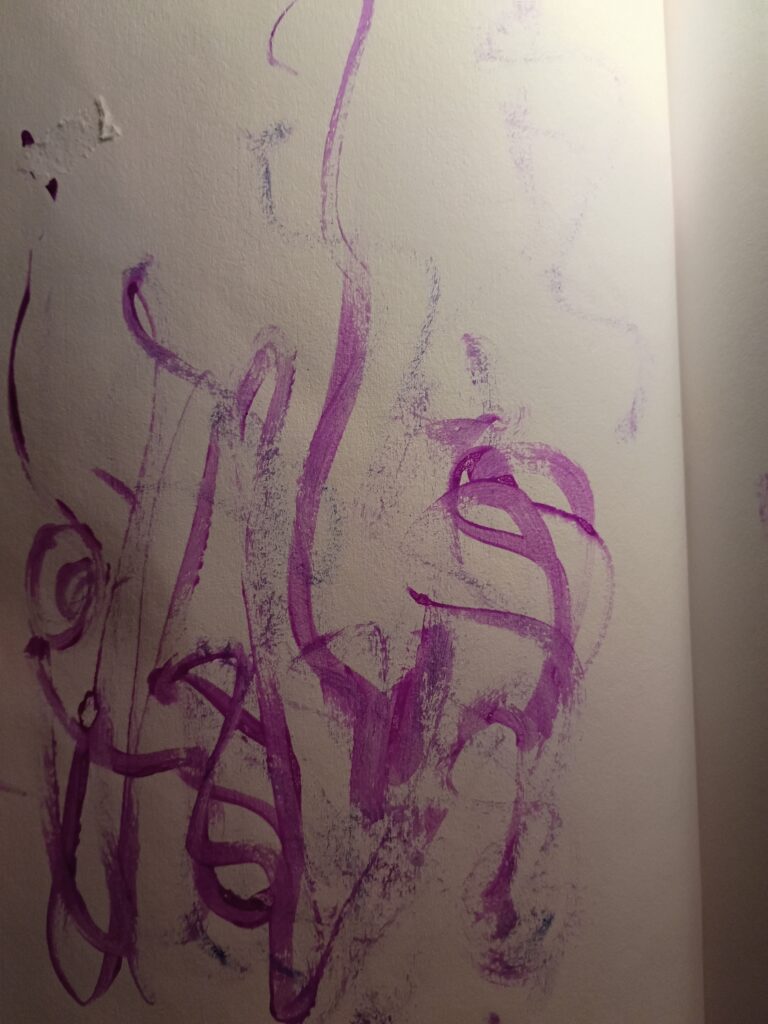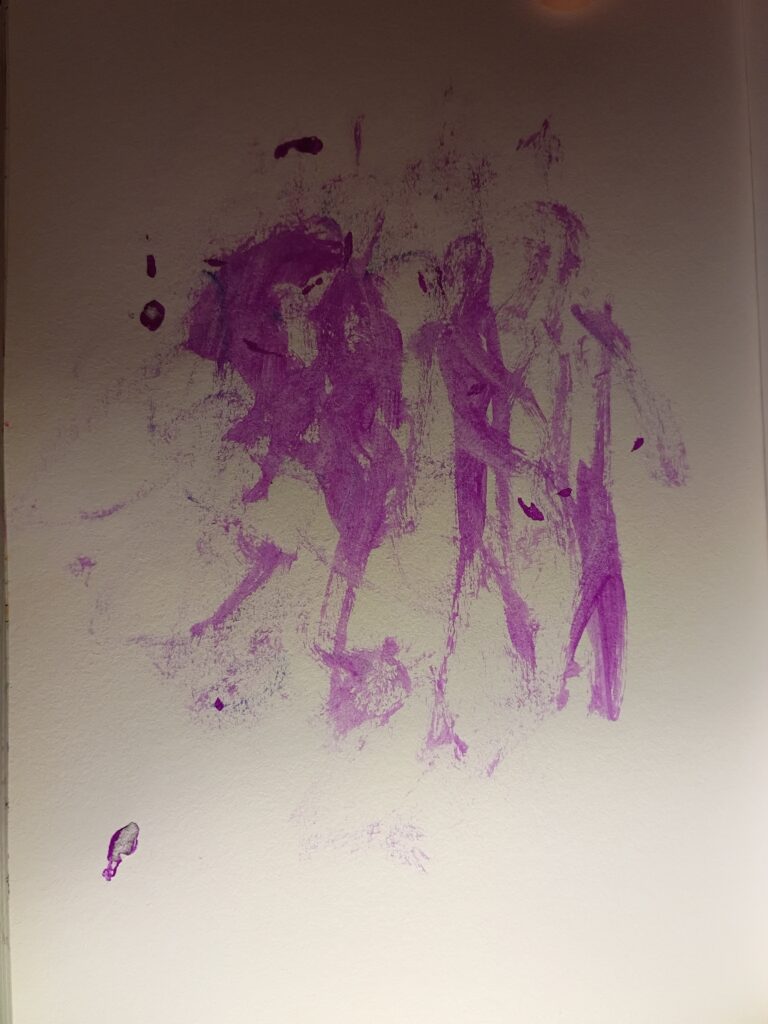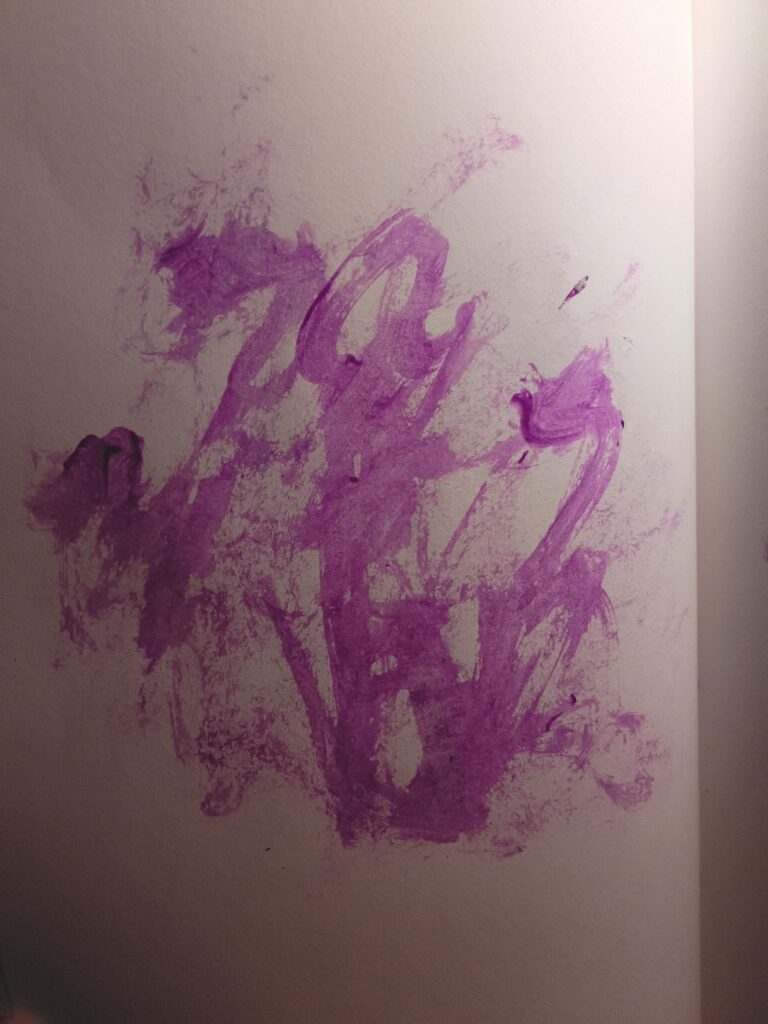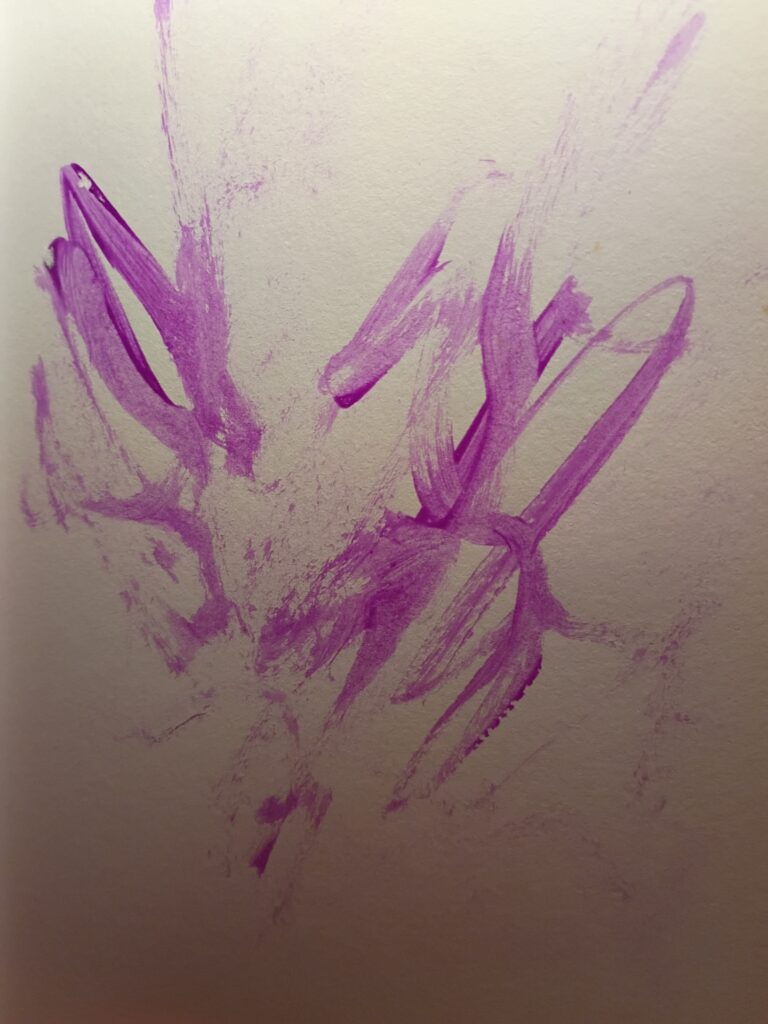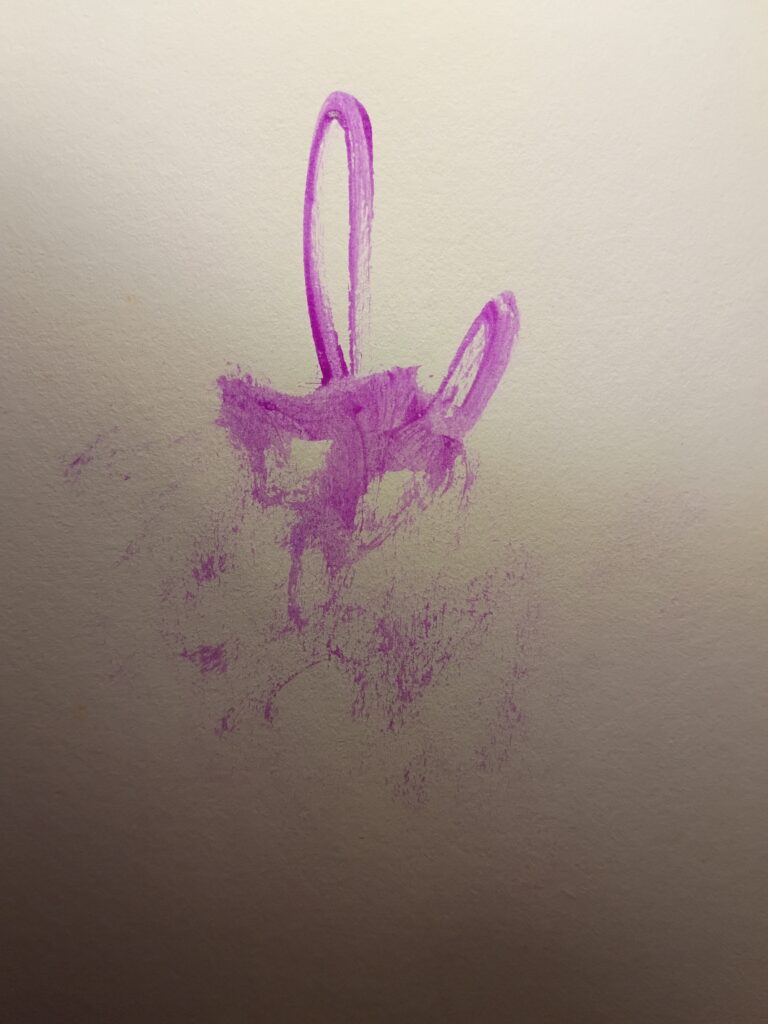
Woke up today in the mood for a bit of doodling. I don’t consider myself a particularly good draughtsperson but I’ve also learned to grow fond of my style. The artistic journey is like that, I suppose: sometimes it’s not about transforming your style into something “better” but something that you learn to enjoy and see as your own.
Other times, it’s not the precision or the perfectionism of what you draw (or make, in general), but how you approach it that matters.
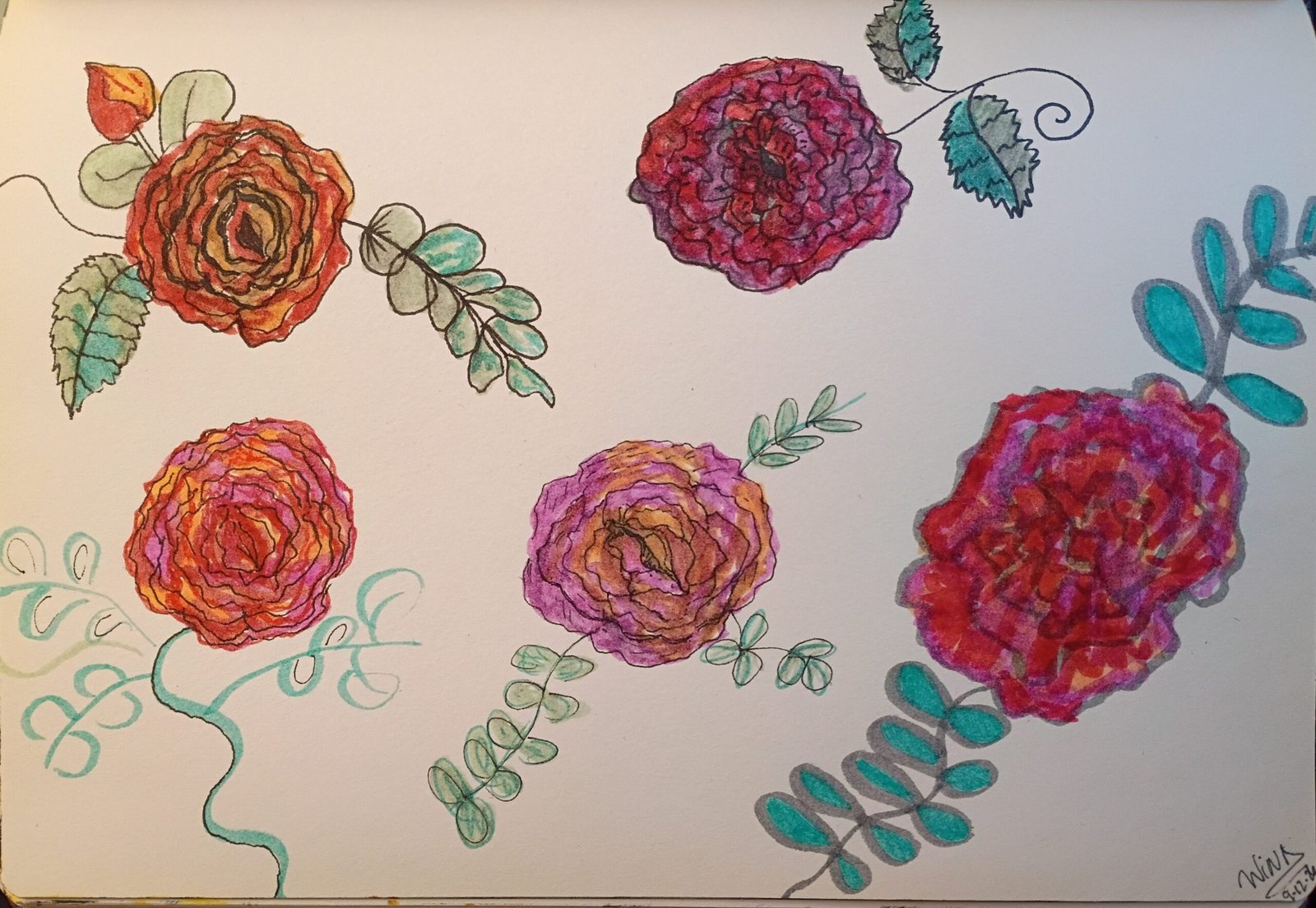
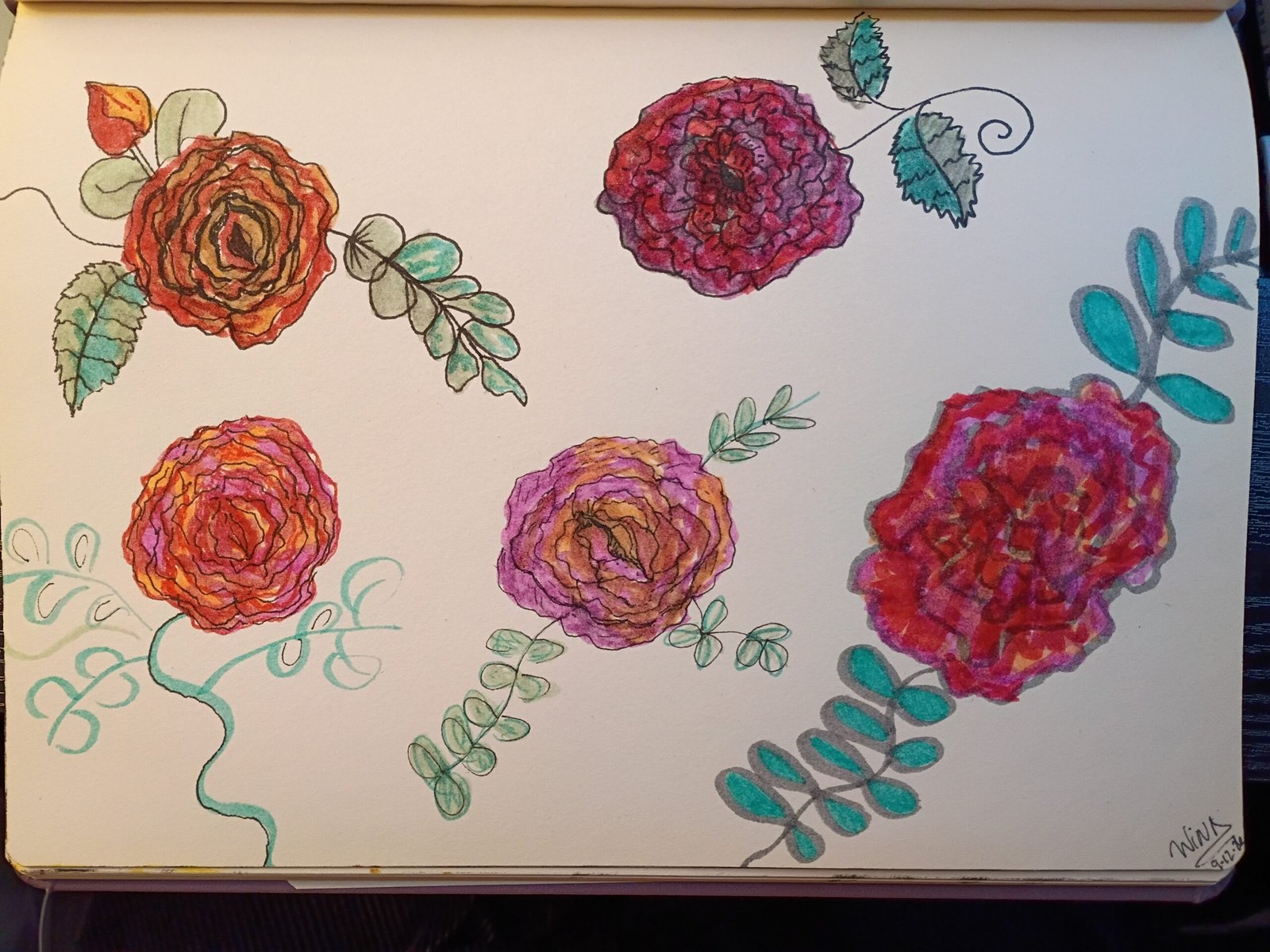
Take these roses, for example. They’re just sketches; they’re not meant to be masterpieces, and that is okay. More to the point, they are observations: five manifest observations of a rose, an object that we know from nature.
“A rose is a rose is a rose,” Gertrude Stein once said. The verse is evocative of the timeless and ever-present nature of an object, sans associations. We can think of a rose as part of a bouquet, part of a vase or part of a bush but it is first and foremost a rose. Alternatively, we can think of a rose and, with each enunciation, a different variety of one. The rose that I imagine the first time might not be the one that I imagine the next; the rose that first came to mind might not be the one that came to yours. So it is with roses, and everything else in nature.
A rose is a rose is a rose. Each rose captures a moment in thought, a moment of perception, a moment in time. No two roses are alike; in the mind, the rose becomes infused with the ink of mood and memory, if not the fragrance of time.