So the day before yesterday, I went out to run a supermarket errand. A triumph, I know, considering the depth of this heat wave. But, go I did! Just a bit later than my usual afternoon outings; sometime nearer to dusk.
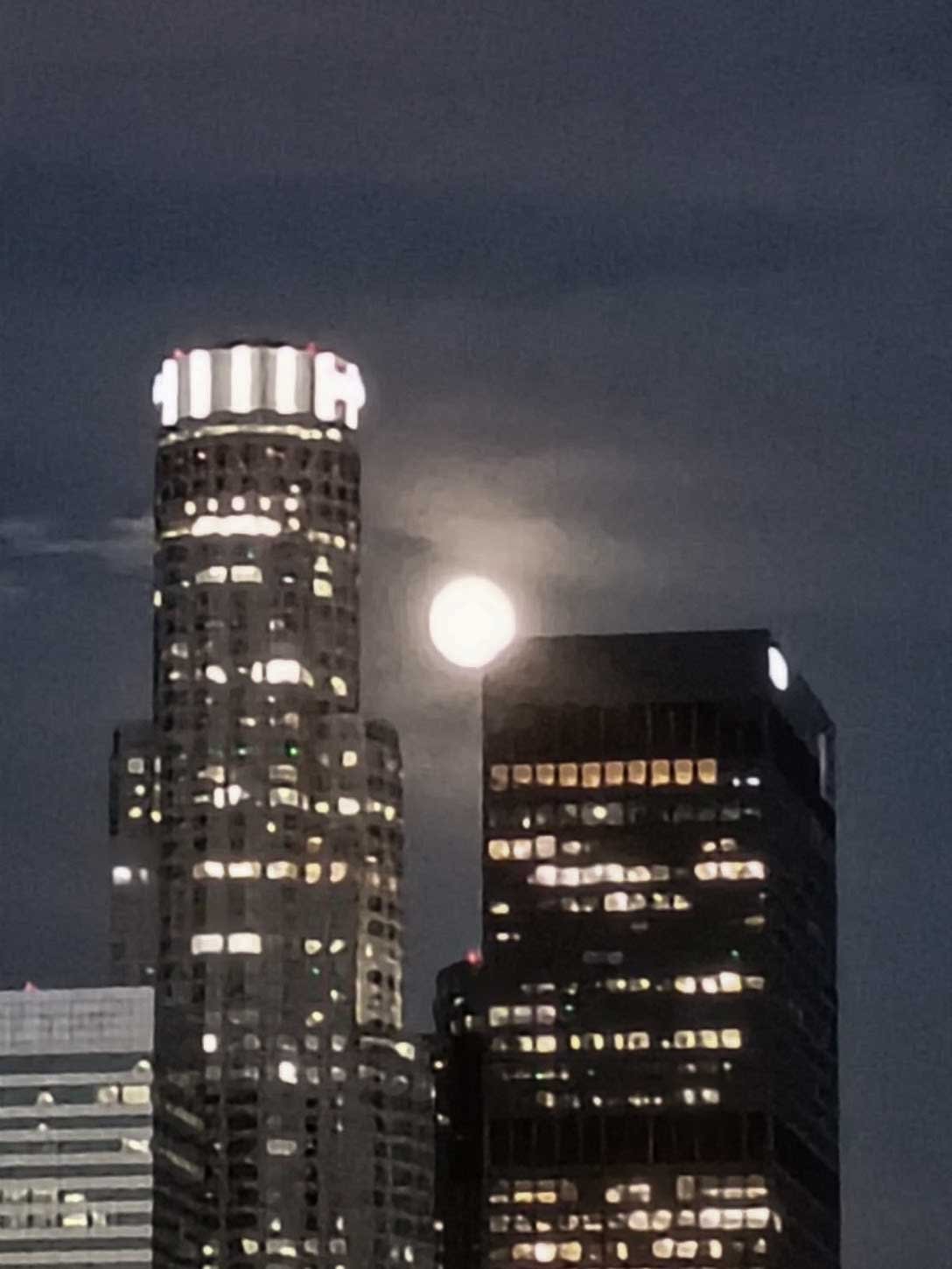
The air was still warm at seven-something when I left the supermarket—a Food 4 Less within LA’s Mayan Corridor, which is nearish to home. Anywho, I began my usual march back when I was struck motionless by the largesse of the moon.
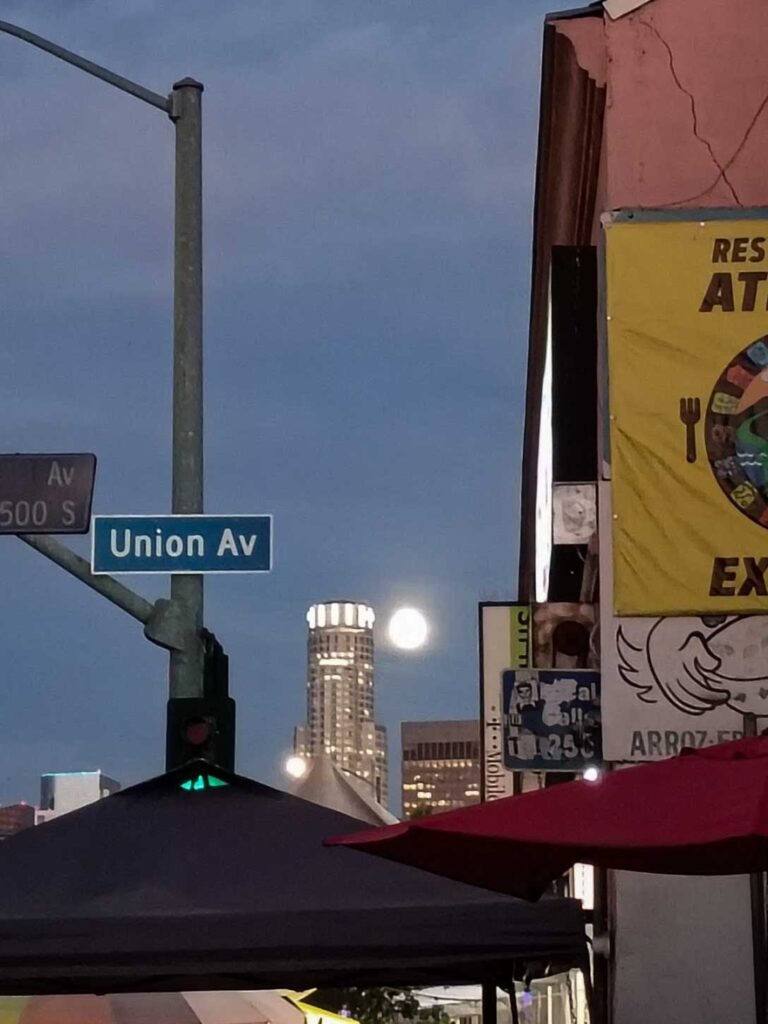
What a sight!
Not only was I somewhat surprised by how large the moon was, but by how well the camera conveyed its scale. Anyone who has ever tried to take a picture of the moon knows how elusive the pursuit is; inevitably the lonely satellite dwarfs into the landscape, giggling in mischief all the while.
But for me, not this time! The photo fairy sprayed its pixel dust, and the moon appeared as I saw it.
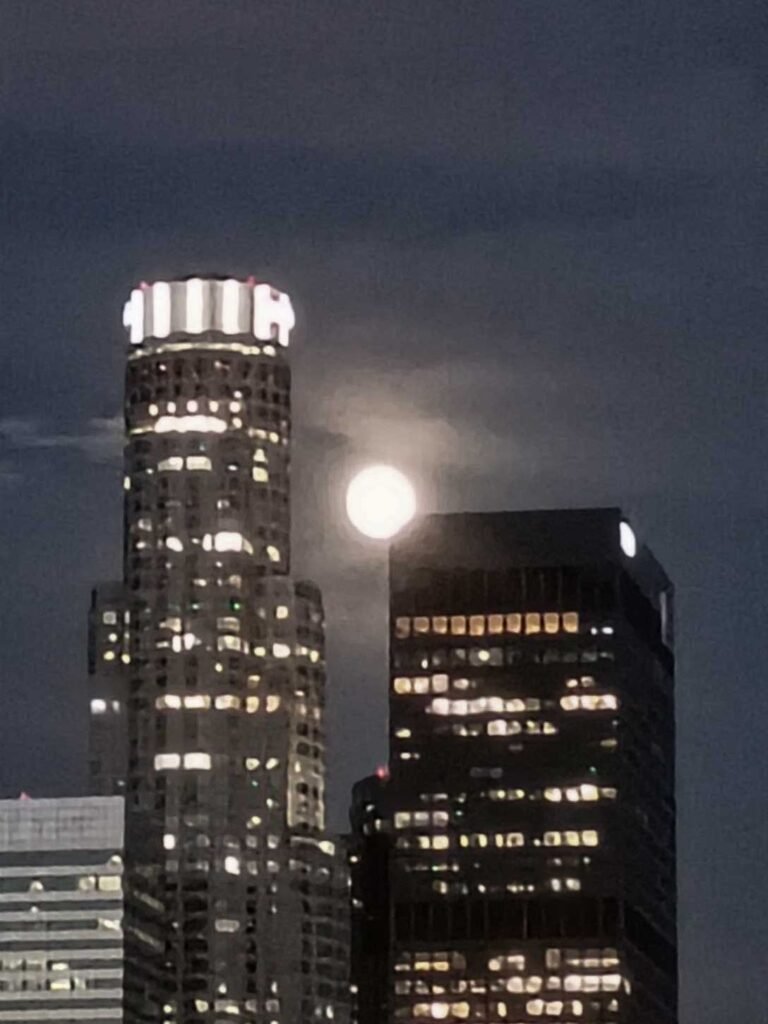
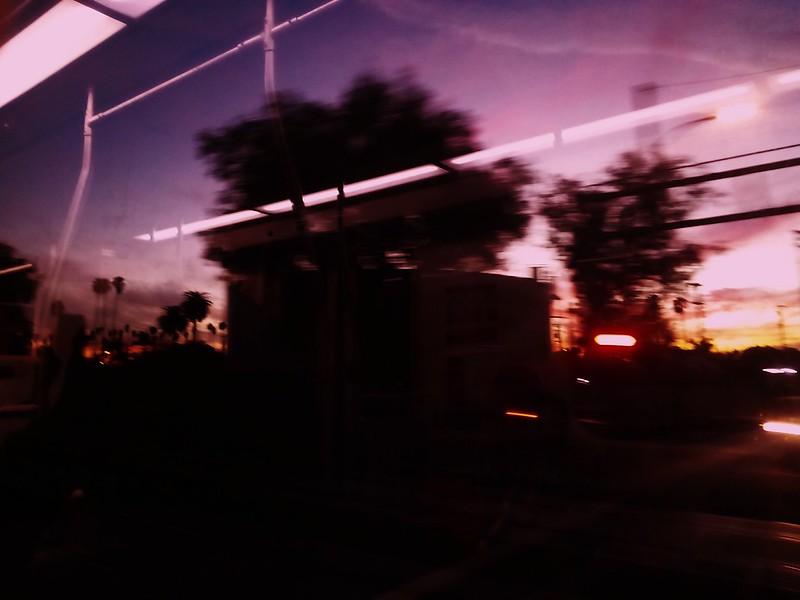
Quite delighted with the sight, I continued the brisk promenade home, though not without stopping one last time for a photo:
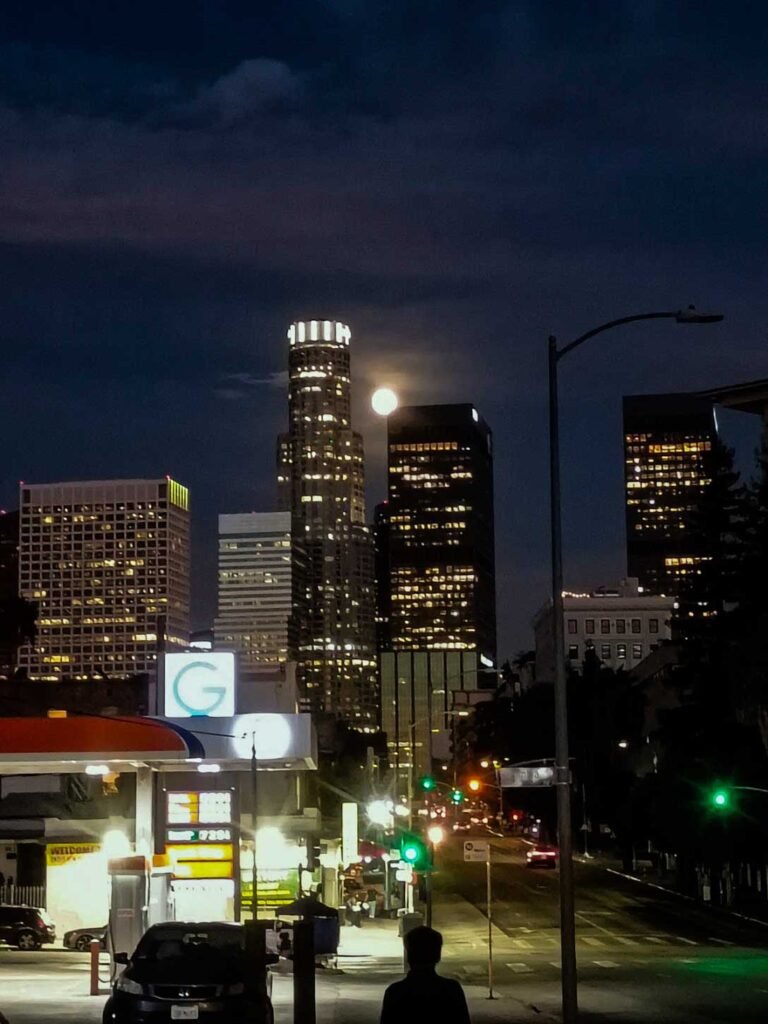
Hypothesizing about the moon’s largesse, I figured that some important season must be upon us. A quick search reminded me of the partial eclipse, which would have been seen from North America yesterday, when I tried to see it (but the sky was overcast) and today (chance for attempt no. 2).
However, an eclipse alone does not necessarily explain the moon’s size. So what else could be amidst?
Turns out, that the full moon gracing us with her presence is actually a Sturgeon Moon, named so “because of the large number of sturgeon fish that were found in the Great Lakes in North America this time of year”, MSN says.
Wonderful! It’s amazing to think about how essential the moon was to ancient peoples (and really, not-so-ancient, as the enduring Farmer’s Almanac still attests). Ancient societies led their lives according to the moon’s phases, not only for agriculture but for navigation.
The topic of moon worship has been ever-present in mind these past few days, since a book for which I designed the cover and layout, Gauguin’s Matriarchy, was officially launched! 🎉 Briefly, the author visually analyzes the Tahitian-inspired paintings of Paul Gauguin from a Jungian perspective, which argues that human consciousness resembles the phases of the moon. Due to its connection with “feminine” ideals like birth, growth, and intuition, societies that honor the moon tend to be “matriarchal” in nature (as we know societies have been). Thus, the author argues, the amazon-like Tahitian women that populate Gauguin’s canvases reflect this underlying matriarchal nature in Polynesian society, stubbornly enduring despite its then-ongoing European assimilation.
At present, Gauguin’s Matriarchy is available as a hardcover only, through Amazon, but an e-book will become available sometime in the near future. If, like me, you’re not very good at remembering random Amazon URLs, you can visit the store at edicionesplumaverde.com/gauguin instead.