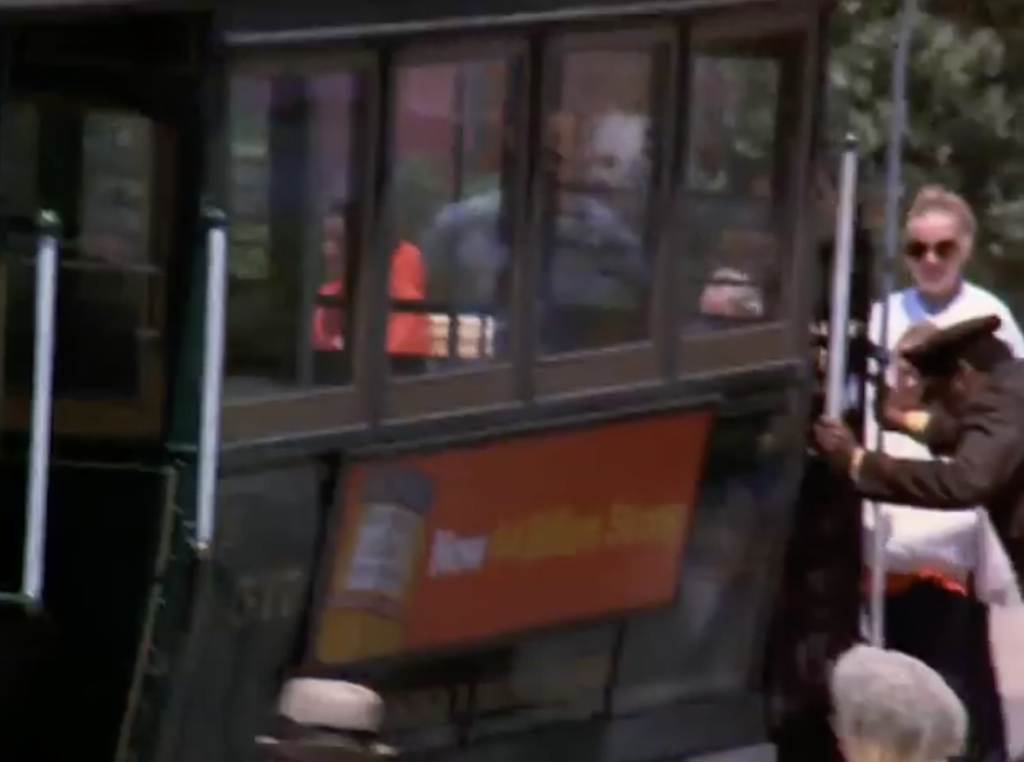
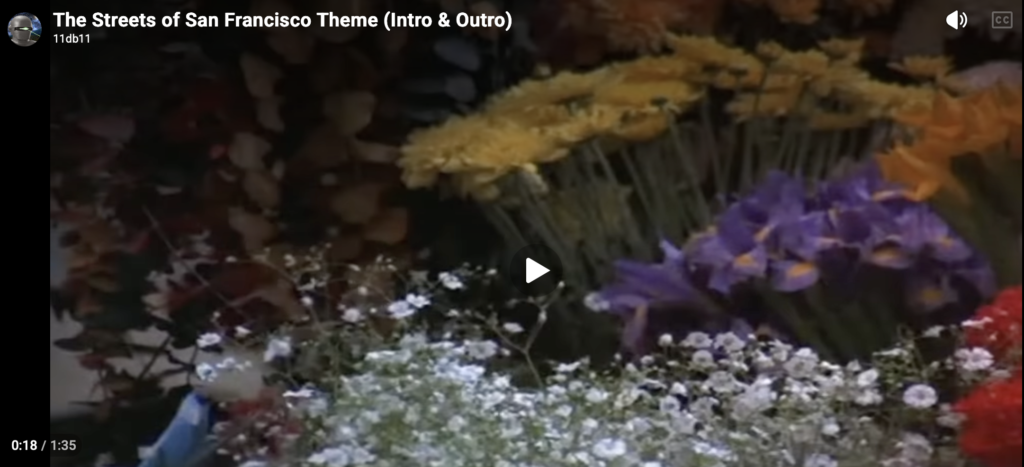
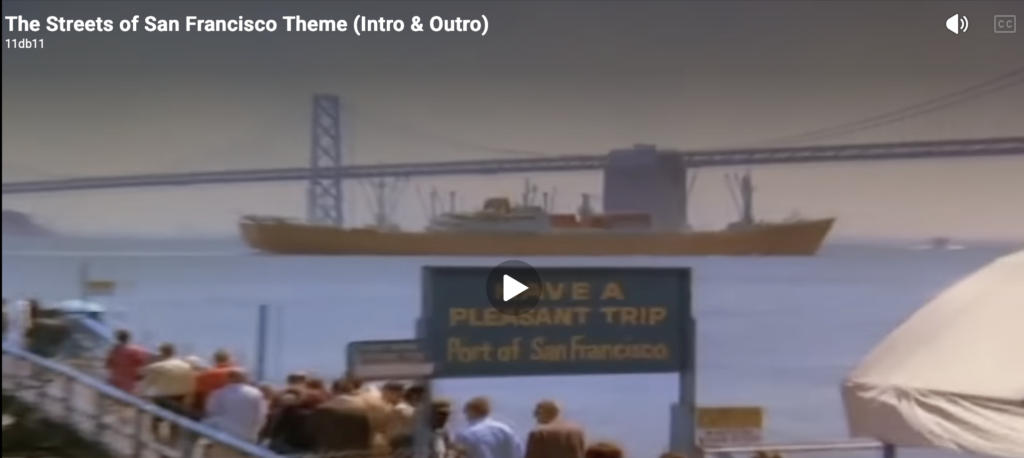
As a child, on lazy summer afternoons, I would sometimes idle around on the living room while my mom watched The Streets of San Francisco (starring Michael Douglas… who knew?).
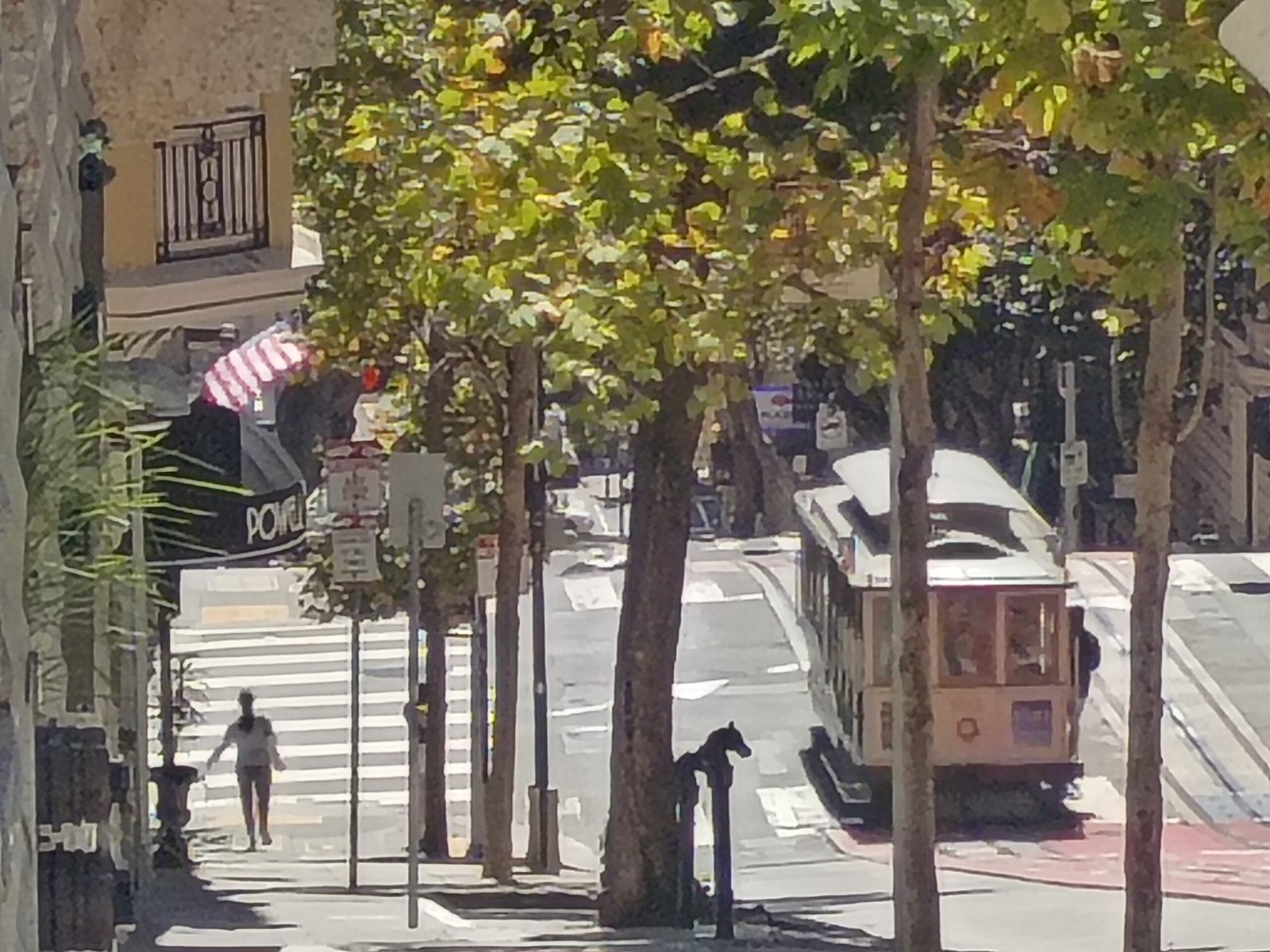
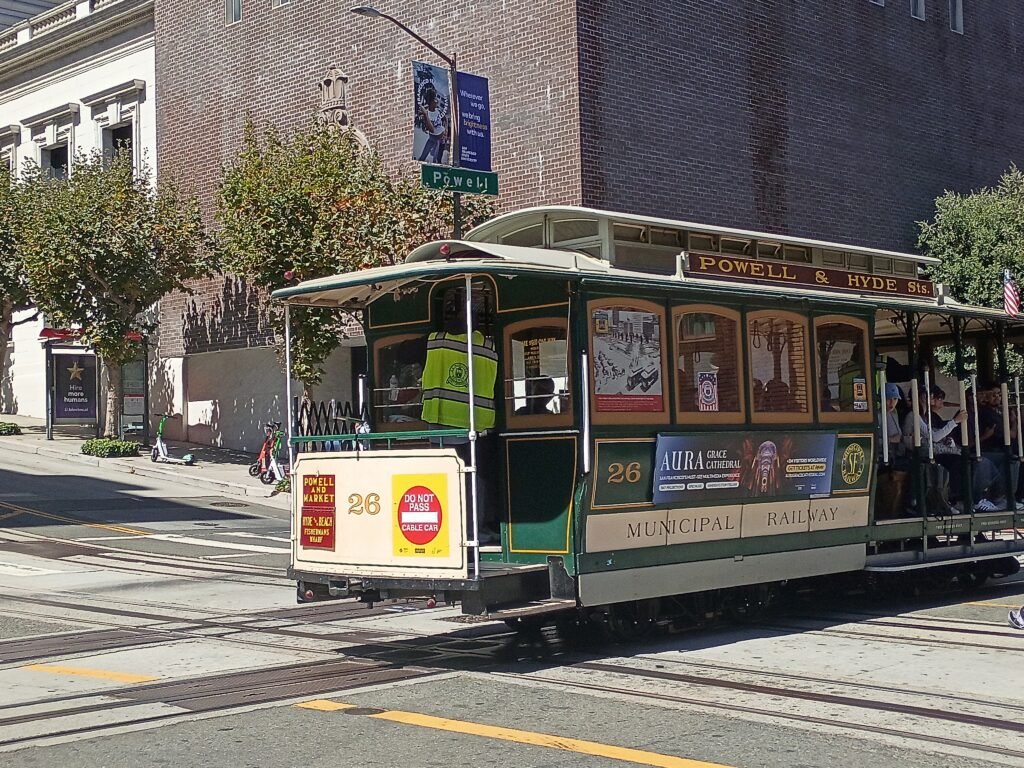
I don’t remember much of the show itself, but the iconic cable cars shaped whatever understanding I had of San Francisco at the time. I knew I had to go someday to see them for myself.
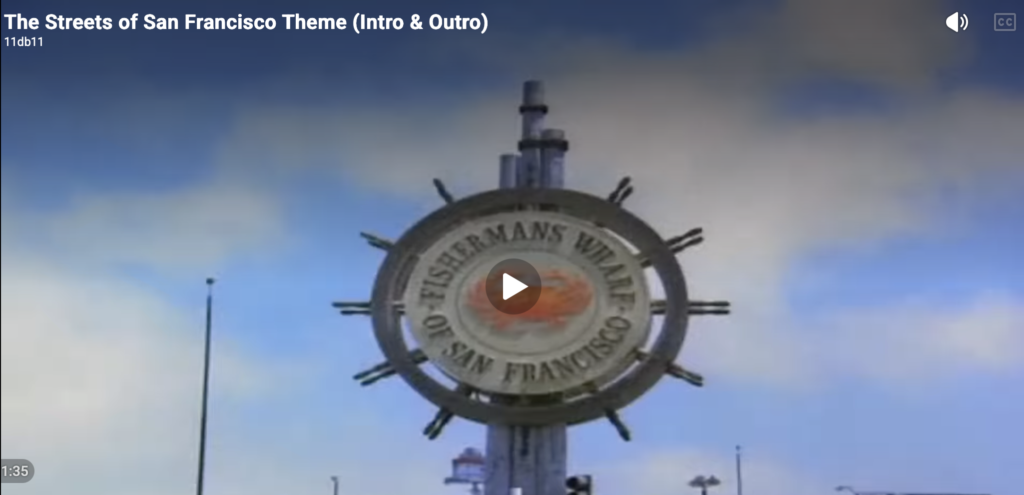
Scene from The Streets of San Francisco (Intro) 🔝
… and I did! 😀
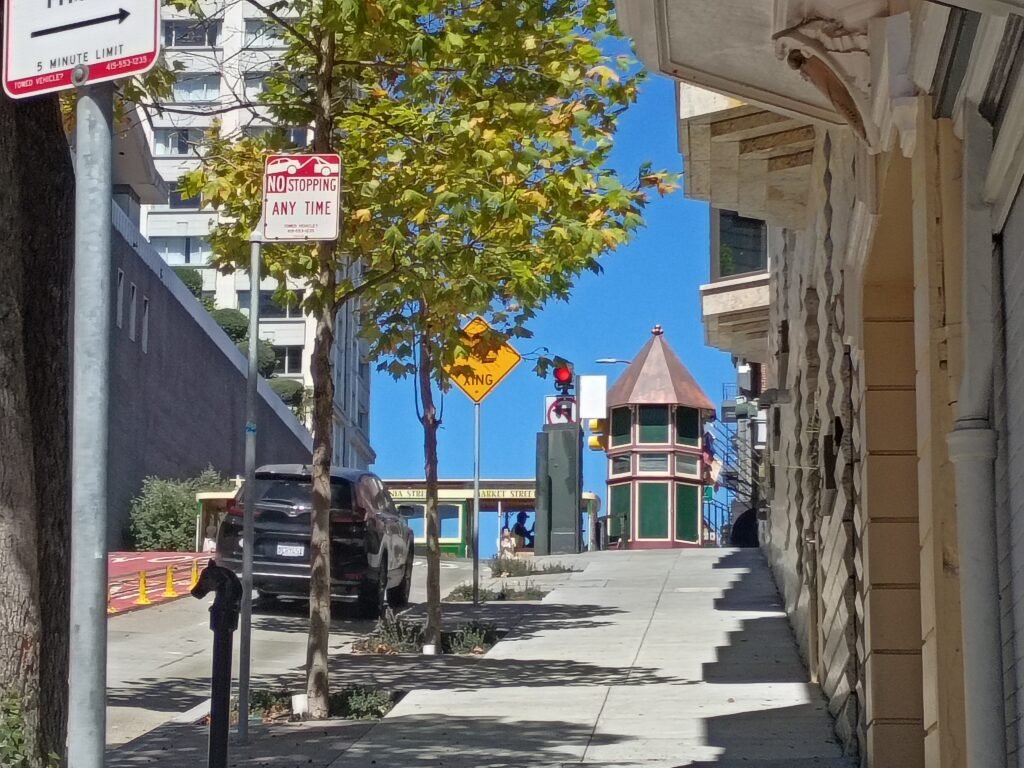
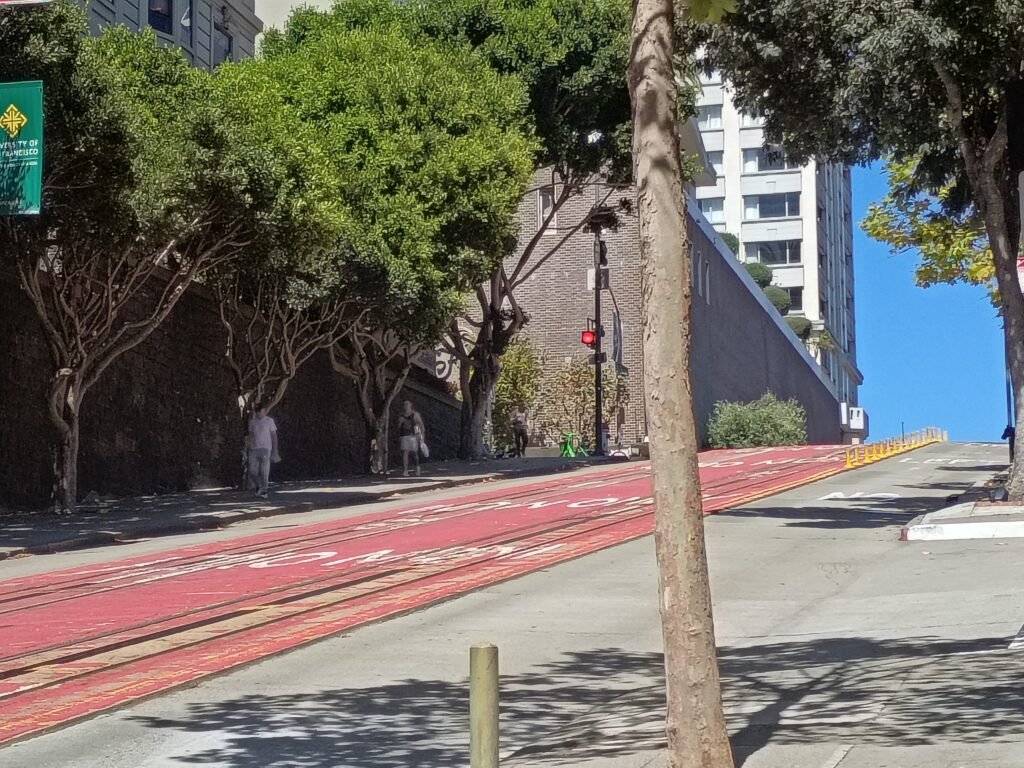
Those hills were steep but they were also great cardio. Imagine how determined you had to be as a detective in the 70s, traipsing about all these hills while investigating the crime du jour, but I digress.
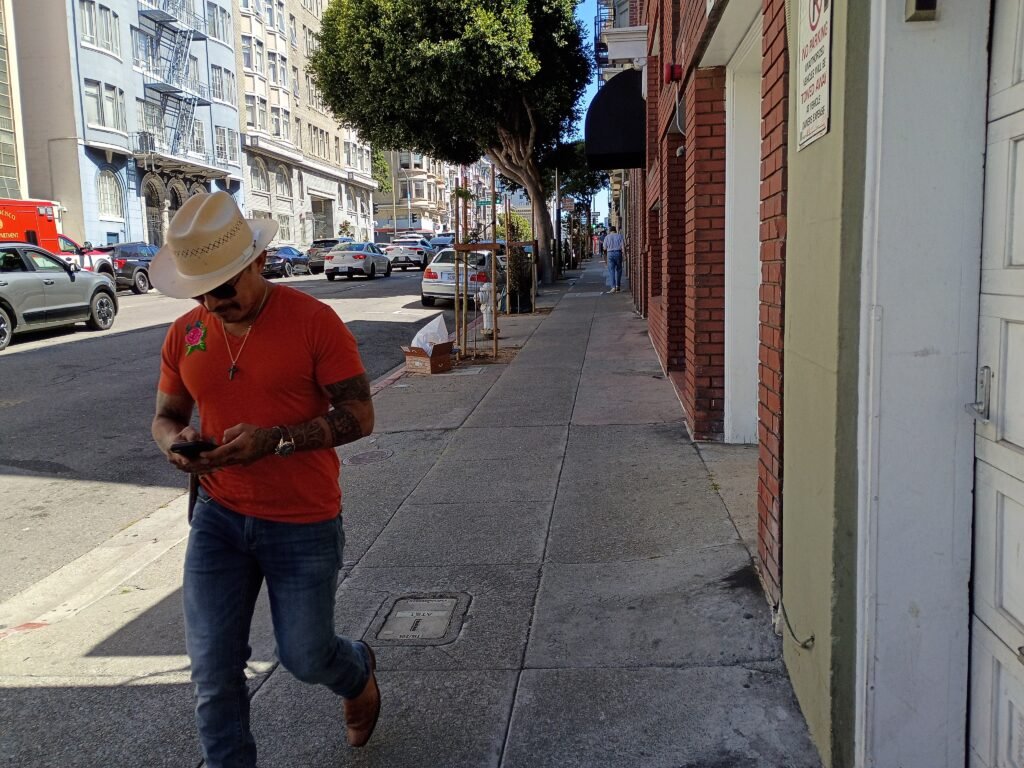
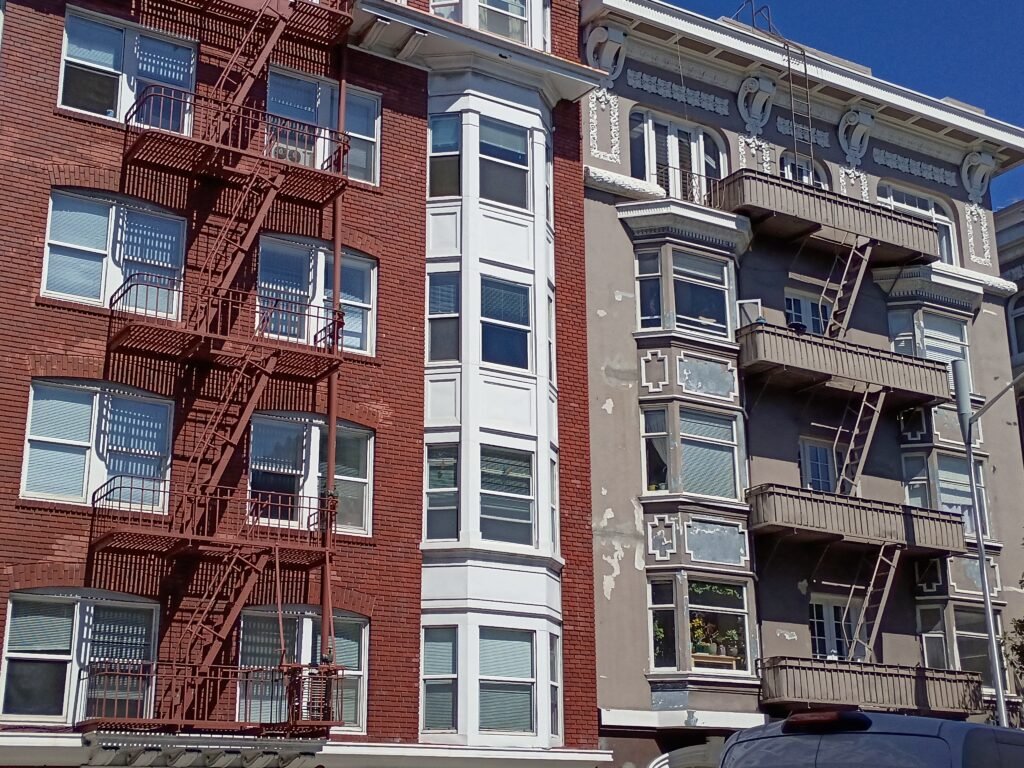
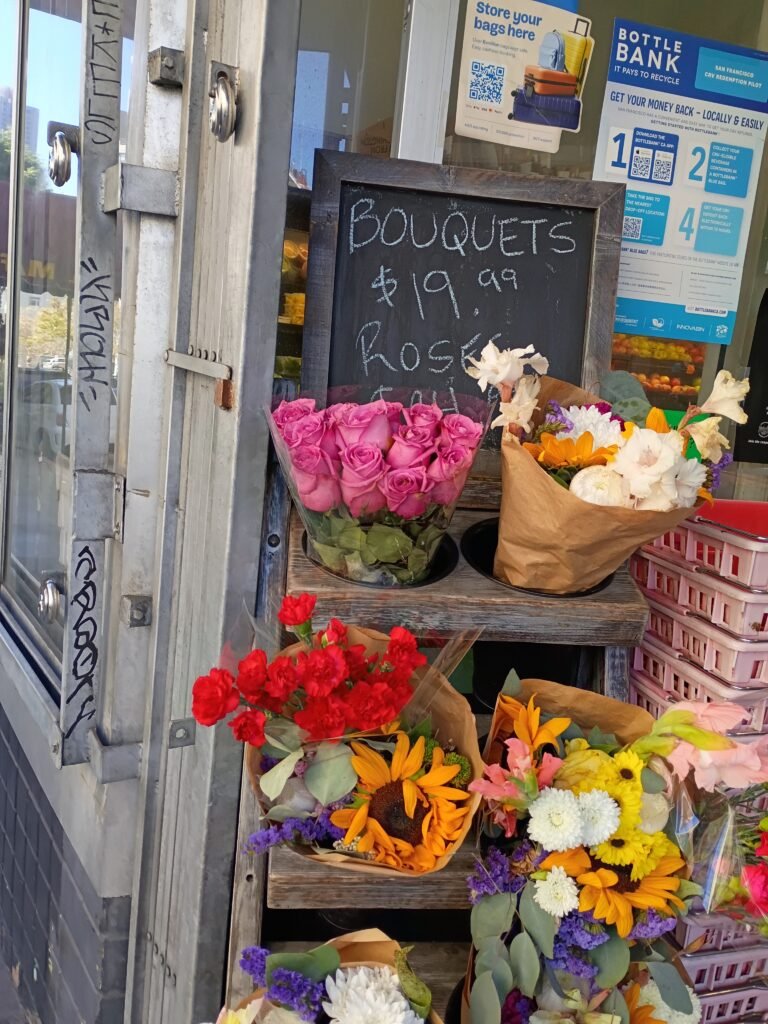
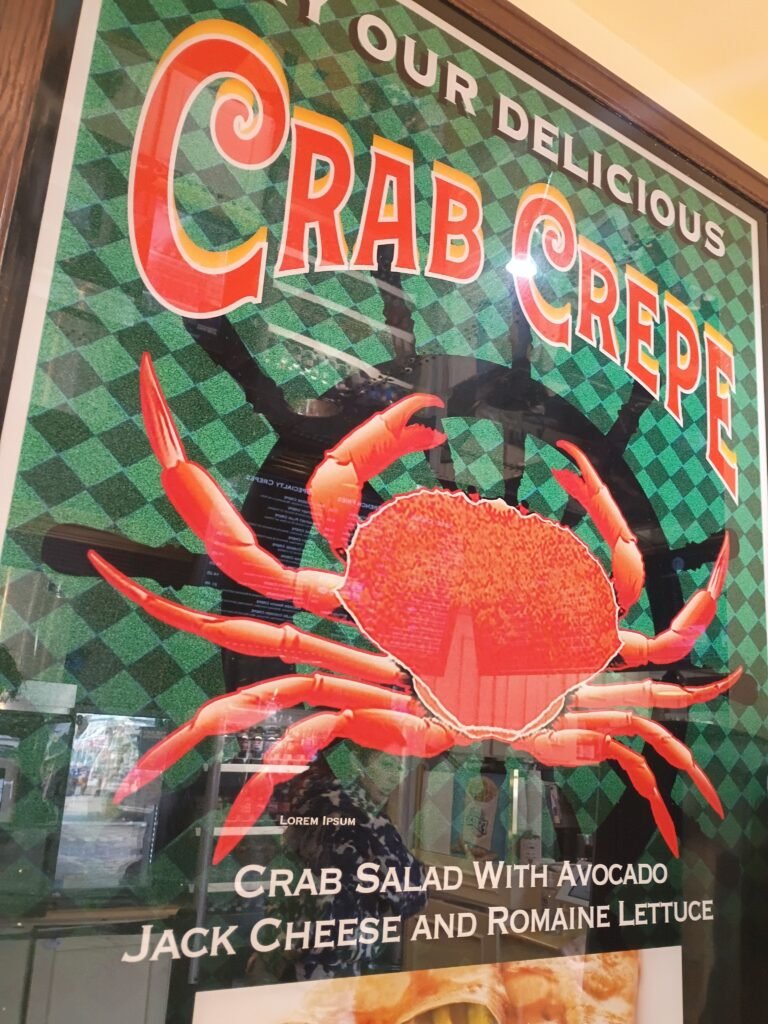
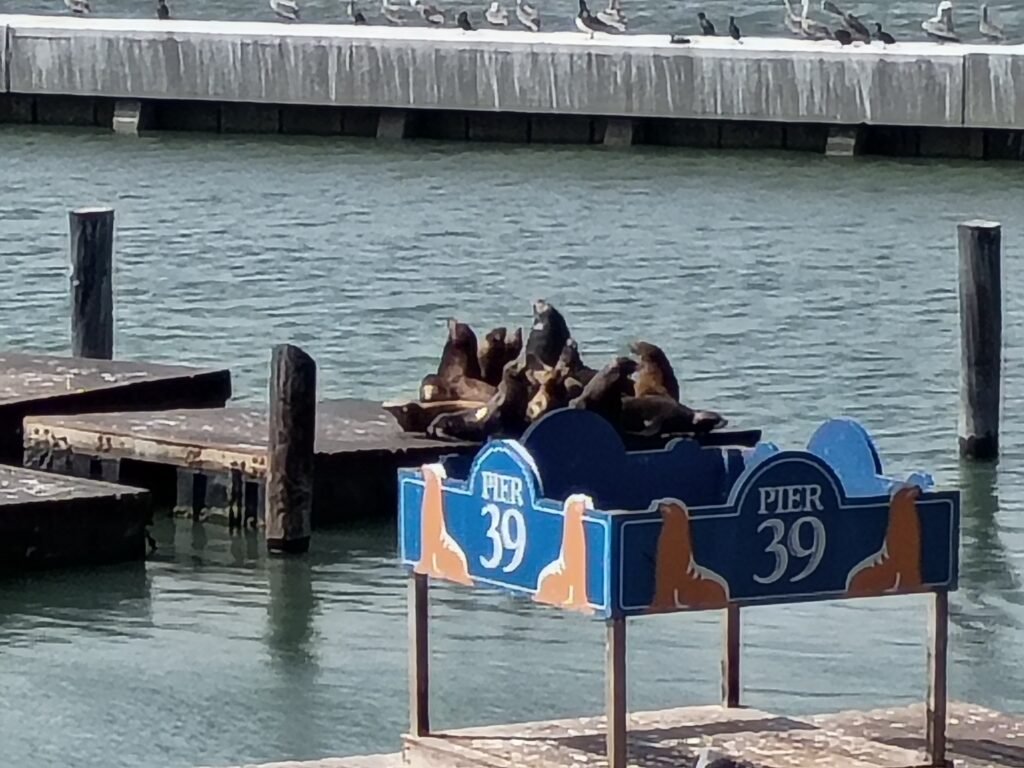
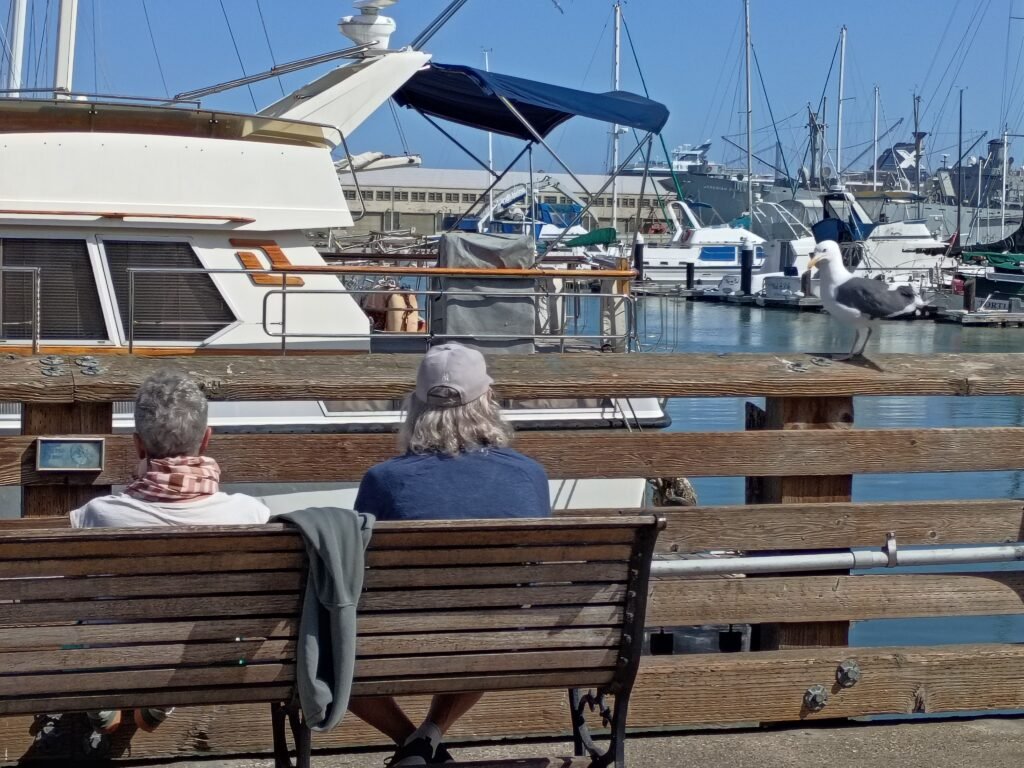
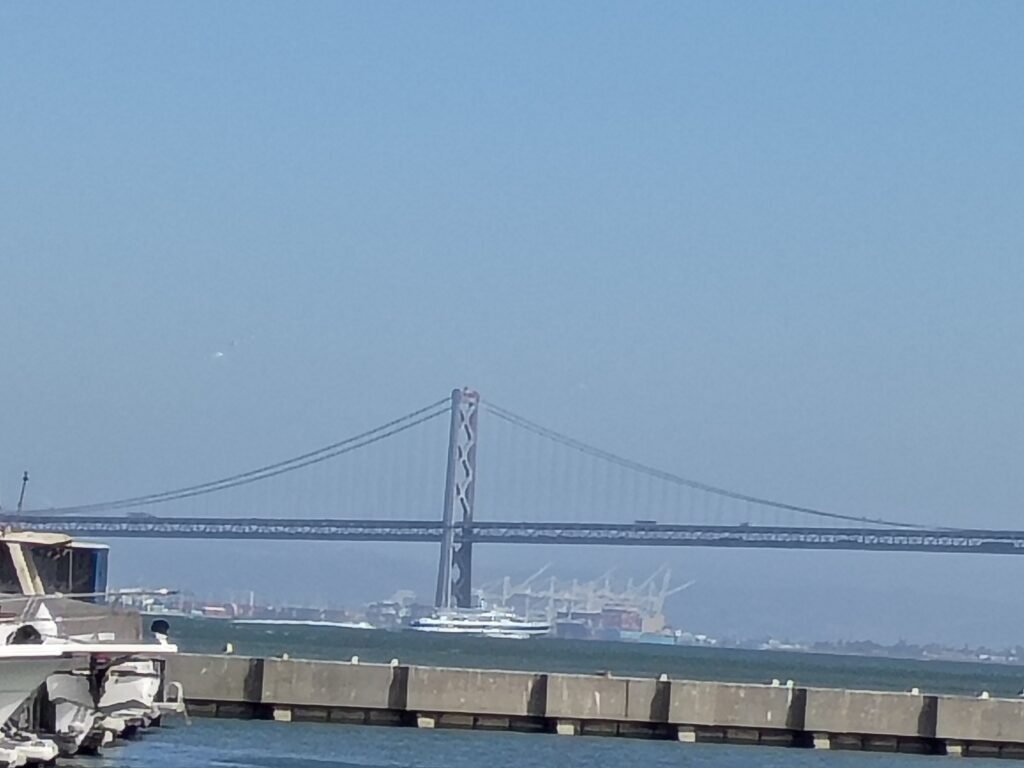
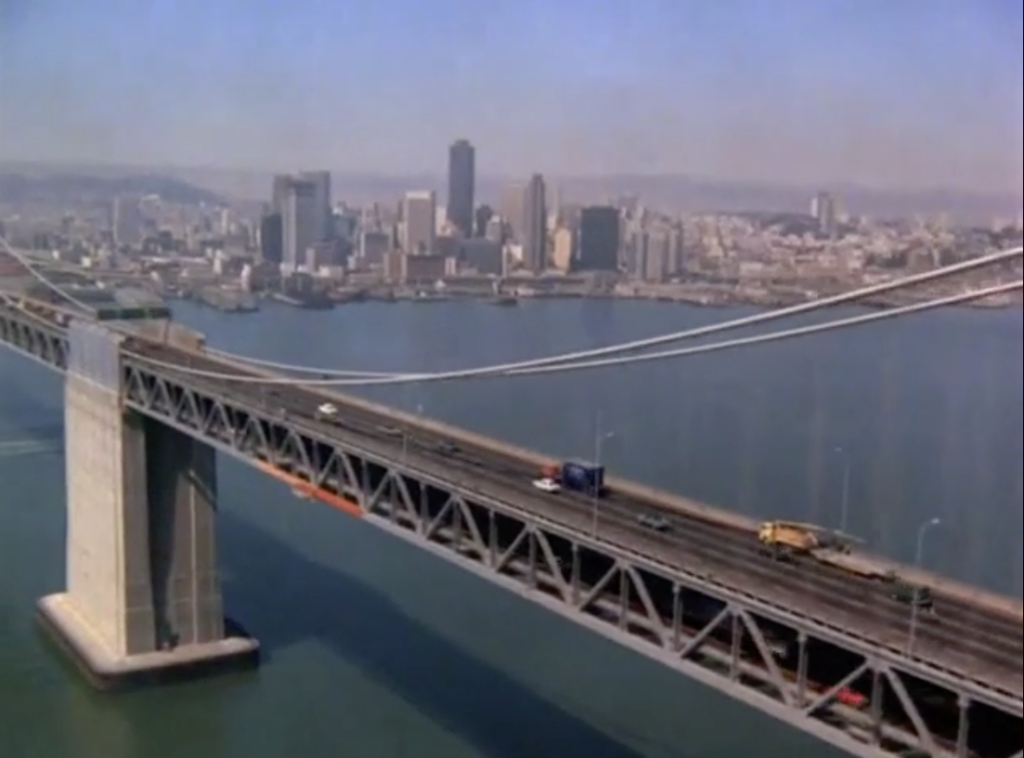
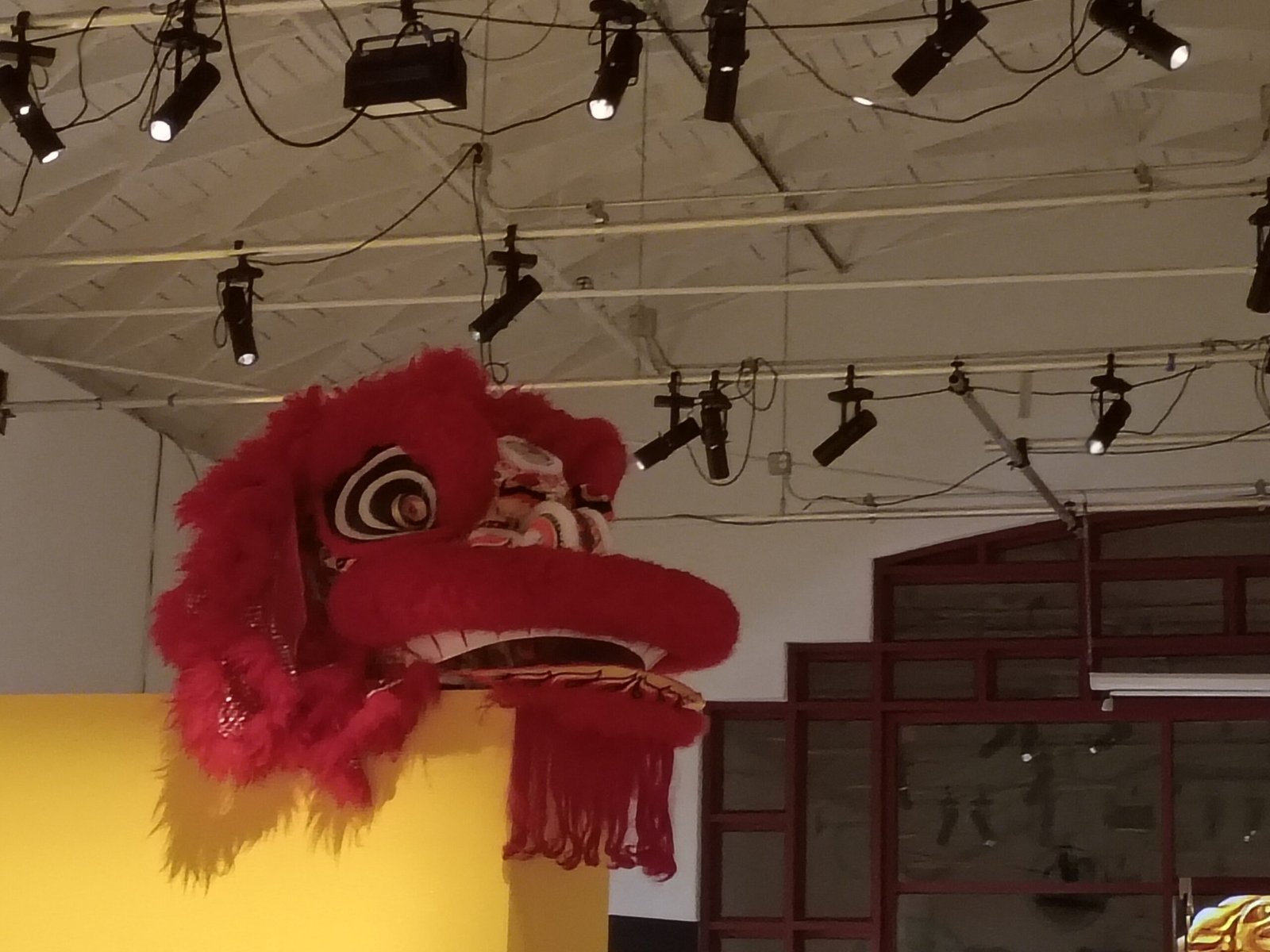
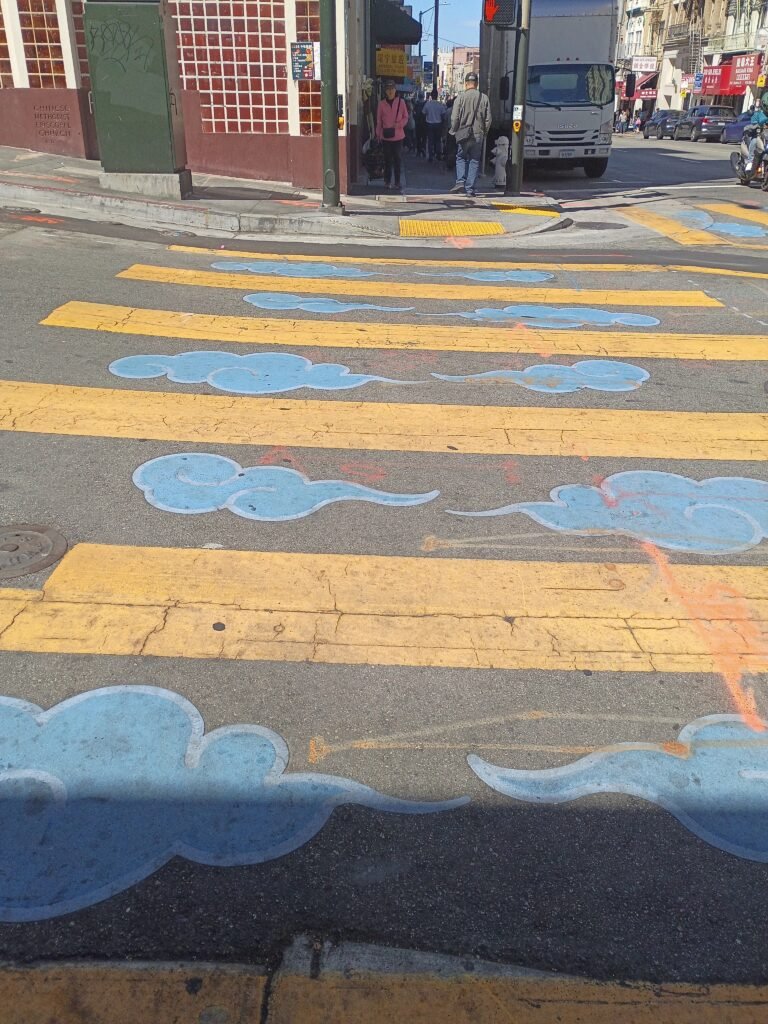
Anywho, I managed to capture some other inklings of the city, some of which unwittingly became slightly referential to the intro of that show (others just vibe):
“Lorem Ipsum” LOL. 30 bucks but at least it was delicious.
The Bay Area Bridge… I did see the Golden Gate but I lapsed in photo-taking as I went through…
I recently got back to LA after a week in San Francisco. I’m not a very social person, so I can’t say that I made full use of the touristy experience by going to the slew of cool bars that I saw along the way, but I definitely had fun taking pictures and absorbing the vibe.
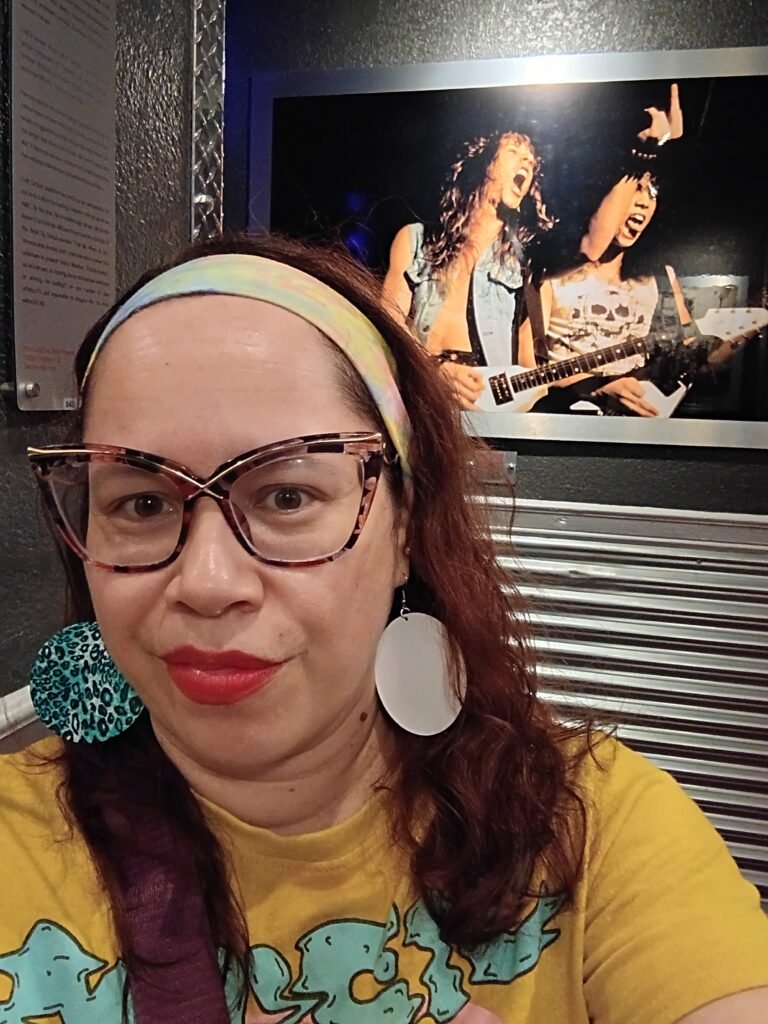
However, there was a ton to see and theoretically do. I stayed at a music-themed hostel in downtown which was pretty epic.
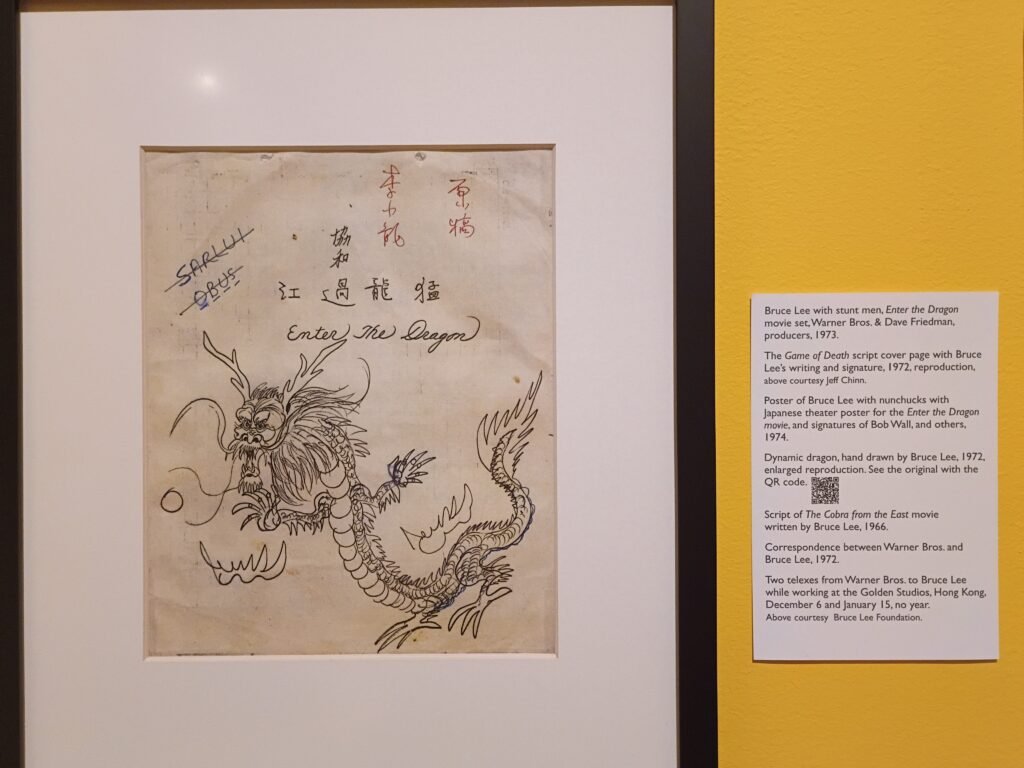
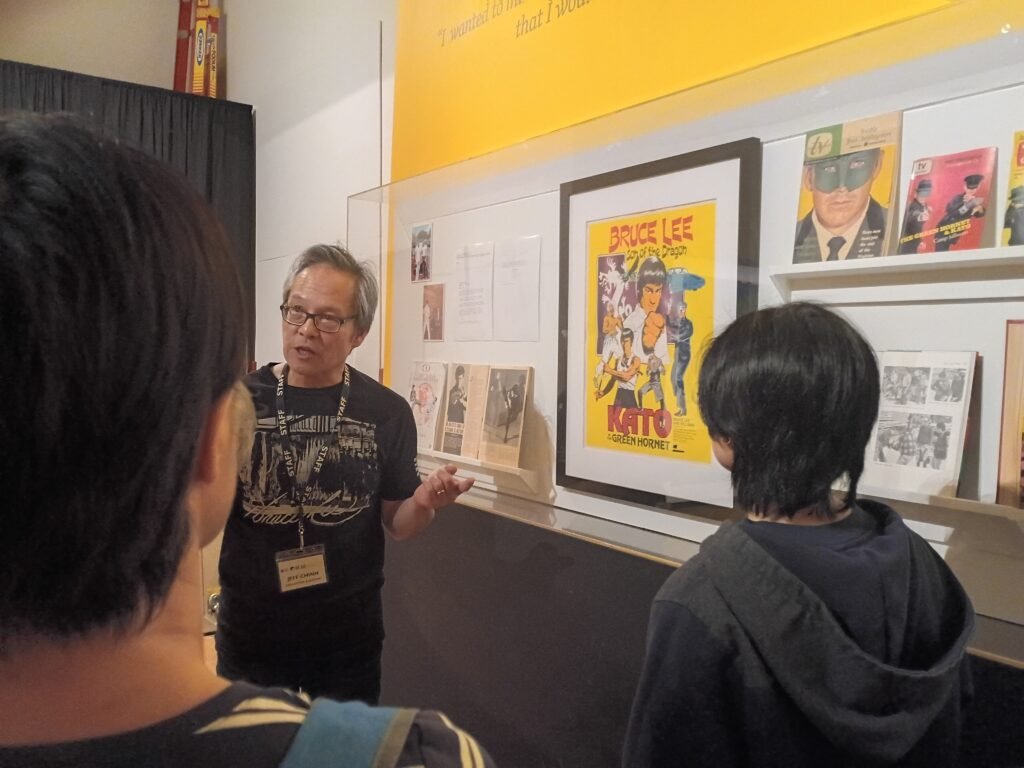
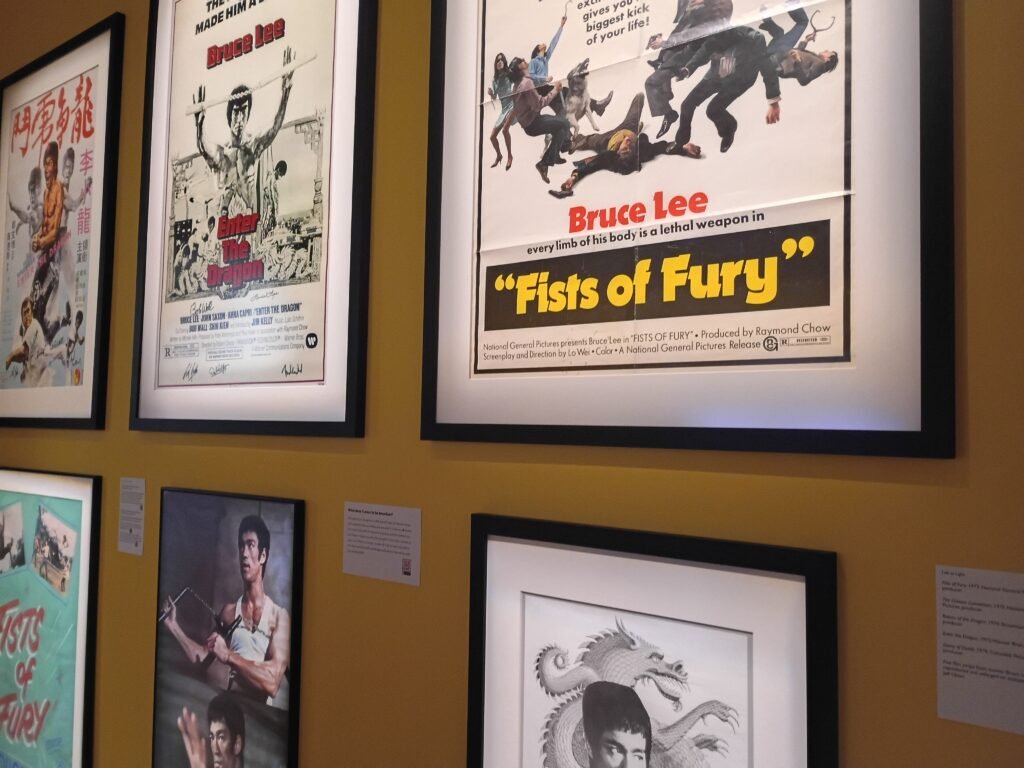
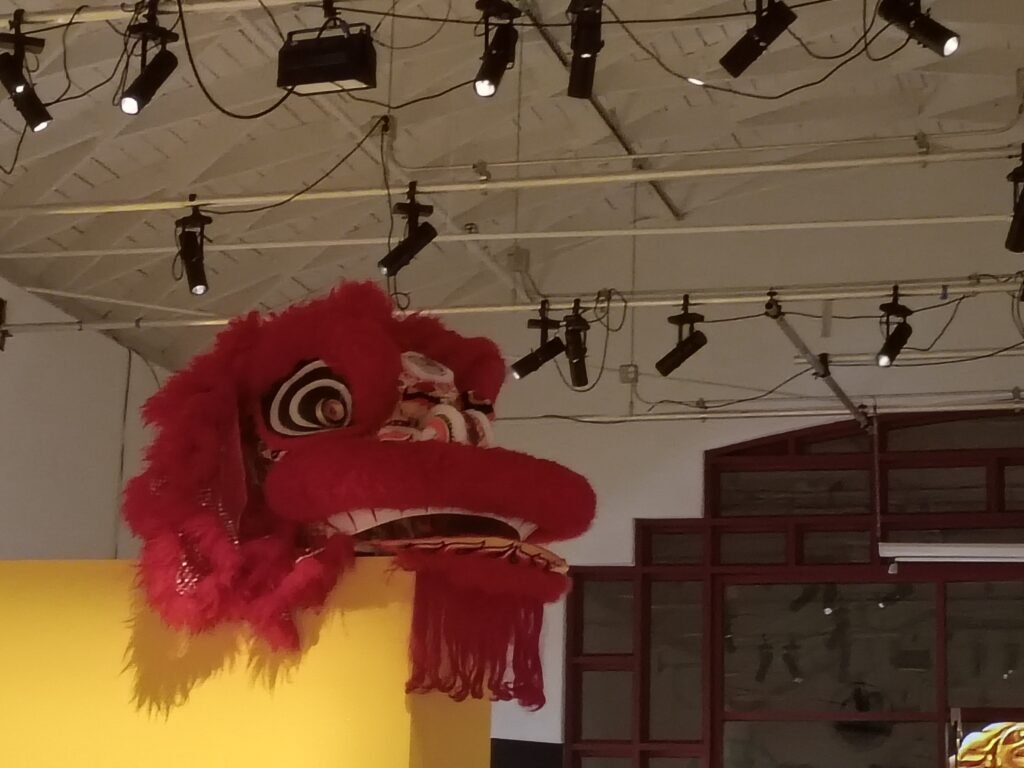
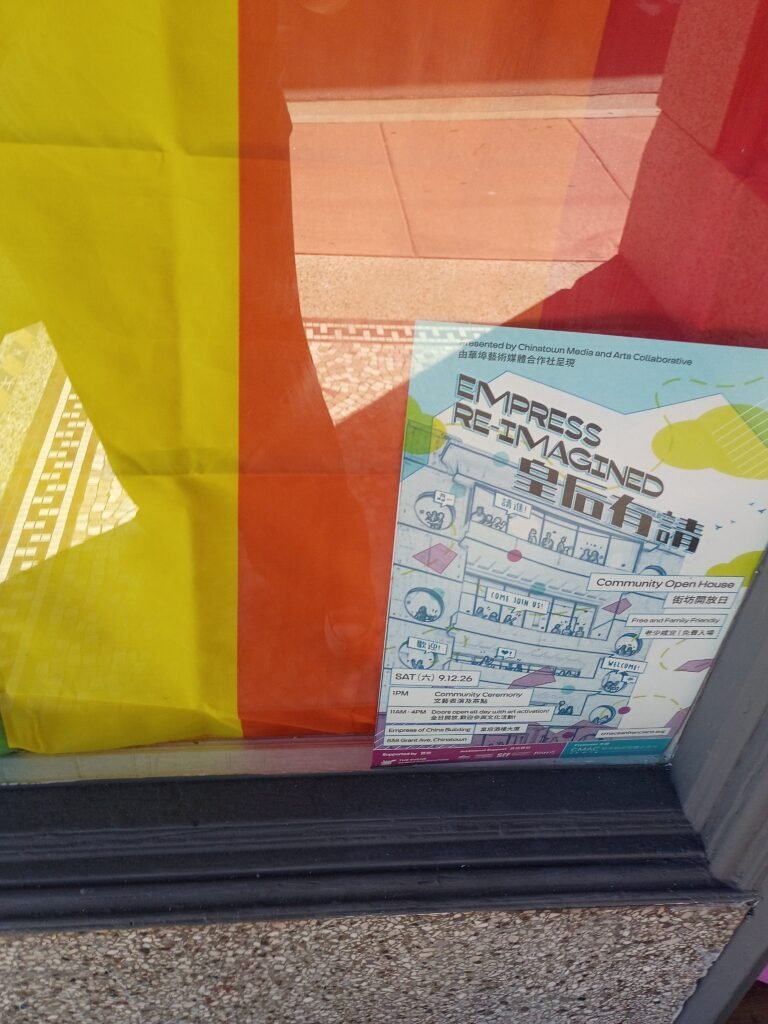
On a whim, I decided to check out a Bruce Lee Exhibition in nearby Chinatown, which turned out to be one of the best things I did in the entire trip. I posted some pics at Blue Sky, but essentially the exhibit highlighted Bruce Lee’s road to action stardom, along with his acumen as a thinker. Did you know Bruce Lee was a philosophy major? He actually devised his own martial arts style with its own philosophical principles, and understanding this is just as important as learning about his action roles (his overall story is phenomenal; if you’re in the area, I recommend that you check the exhibit out!)
Guide Jimmy Chinn explaining how Bruce Lee was essentially the real action star in The Green Hornet, but was severely underpaid. The movie Kato was essentially a bunch of Bruce Lee scenes spliced together, à la YouTube–the coolness ahead of its time in many ways 😂
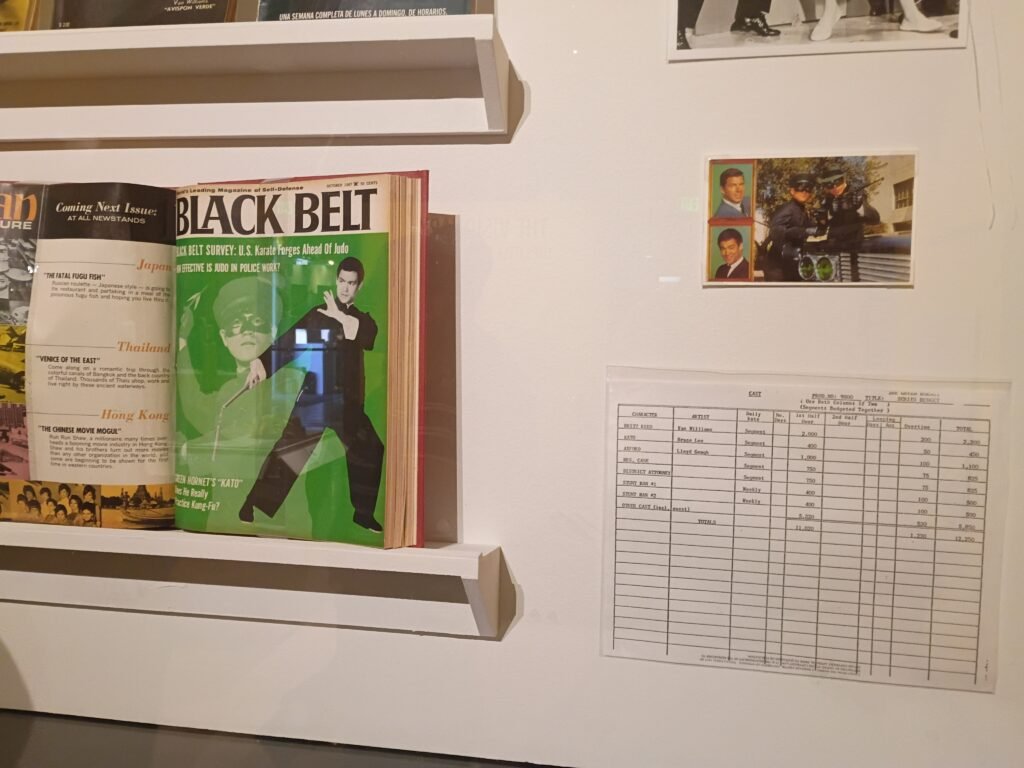
The payroll showing how Bruce Lee earned $400 as Kato whereas everyone else was paid in thousands.
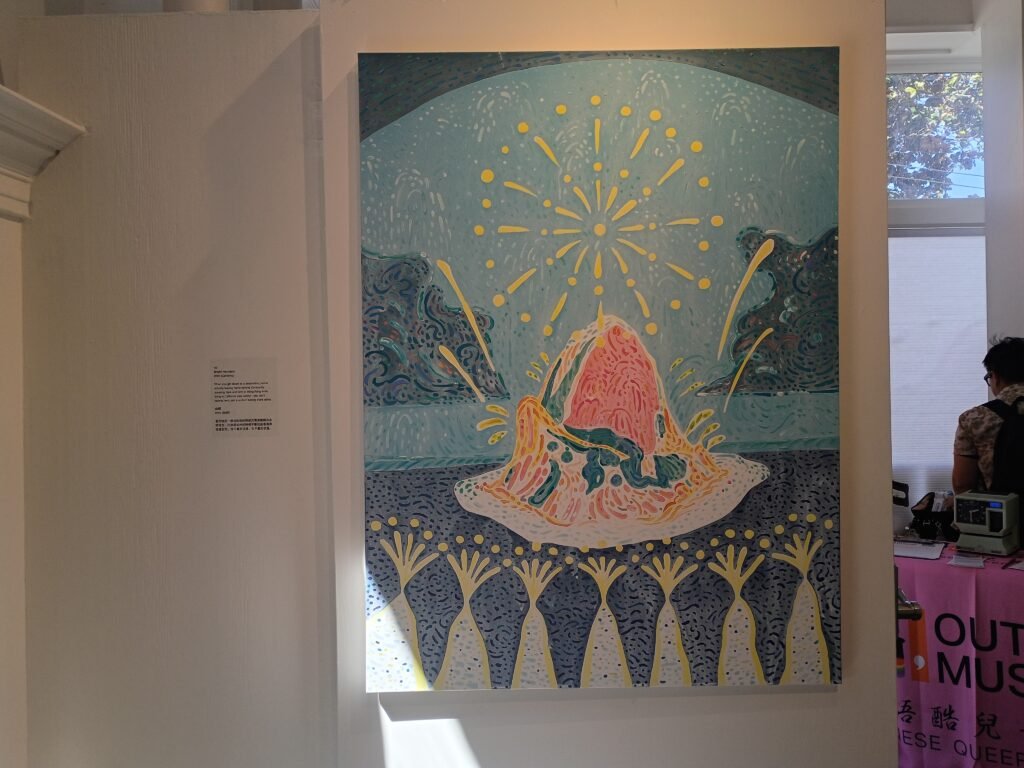
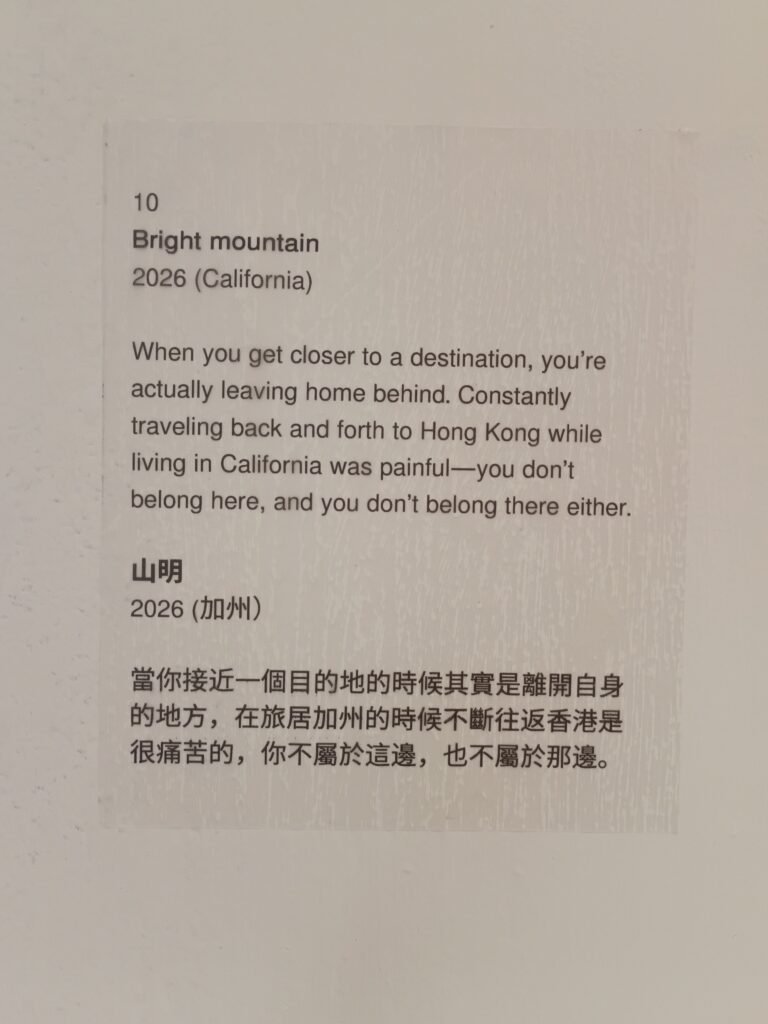
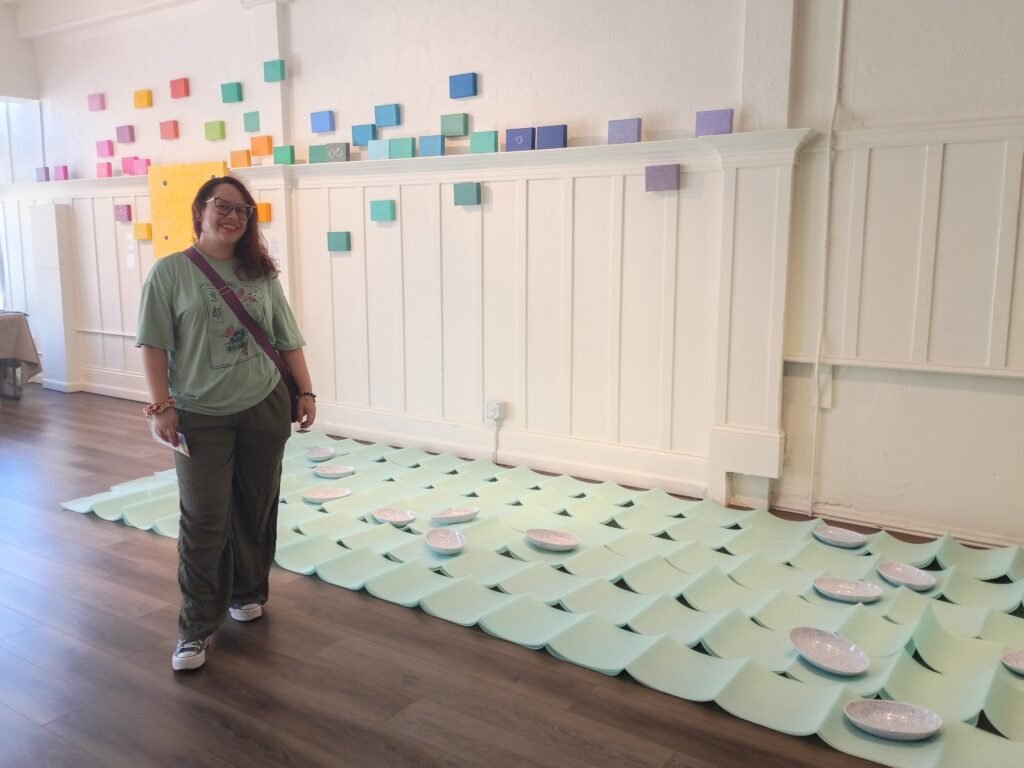
There was a gallery next to the Chinese Historical Society of America that had a solo exhibition by Dixon Ngai. Ngai worked with both porcelain and paint, and his work entails the feeling of longing and displacement caused by both being part of a diaspora and being LGBT.
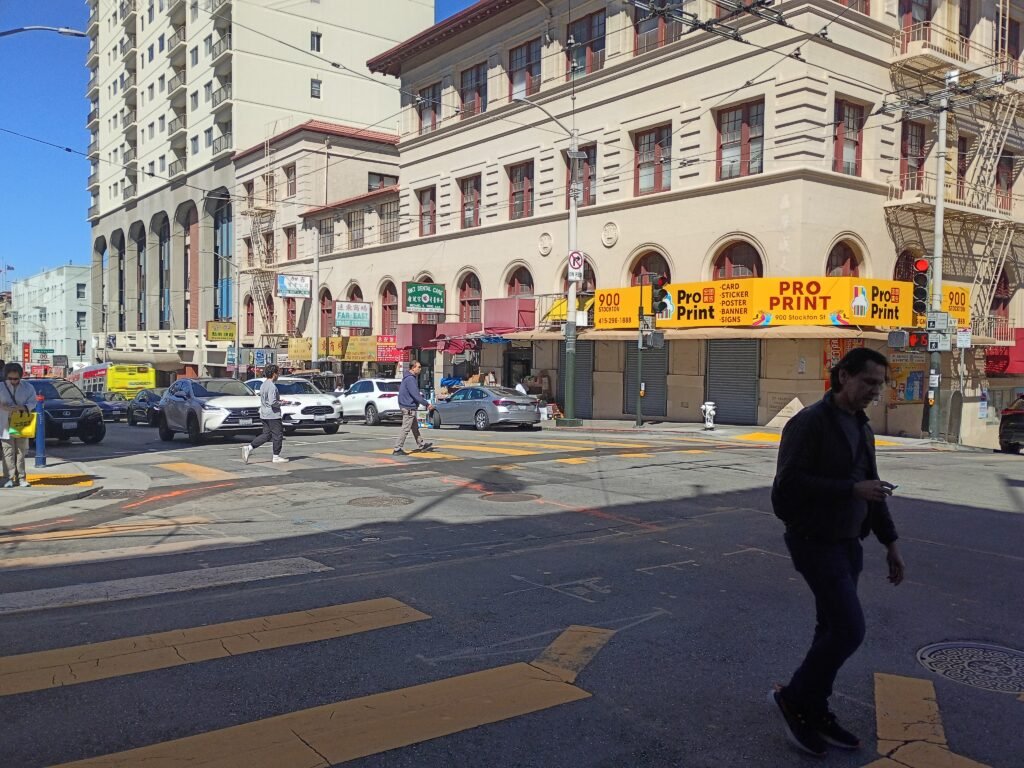
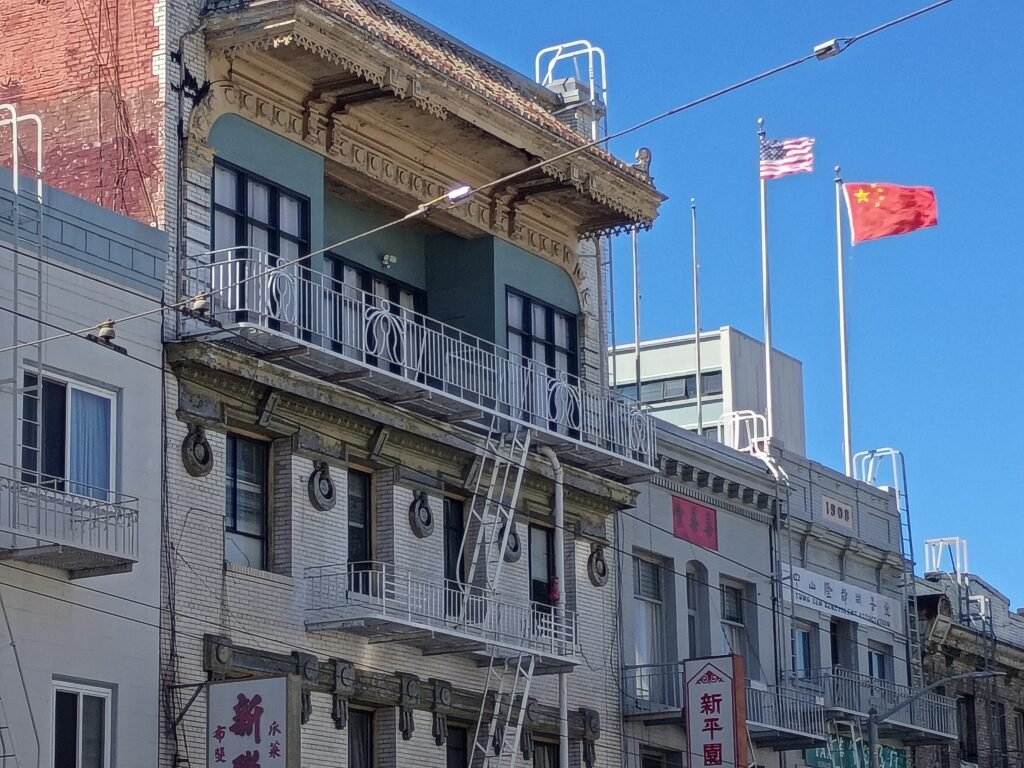
Afterwards, I roamed a bit through Chinatown, then headed back to the hostel to recover for the next outing.
There’s way more where that came from but I’ll post about it next time!
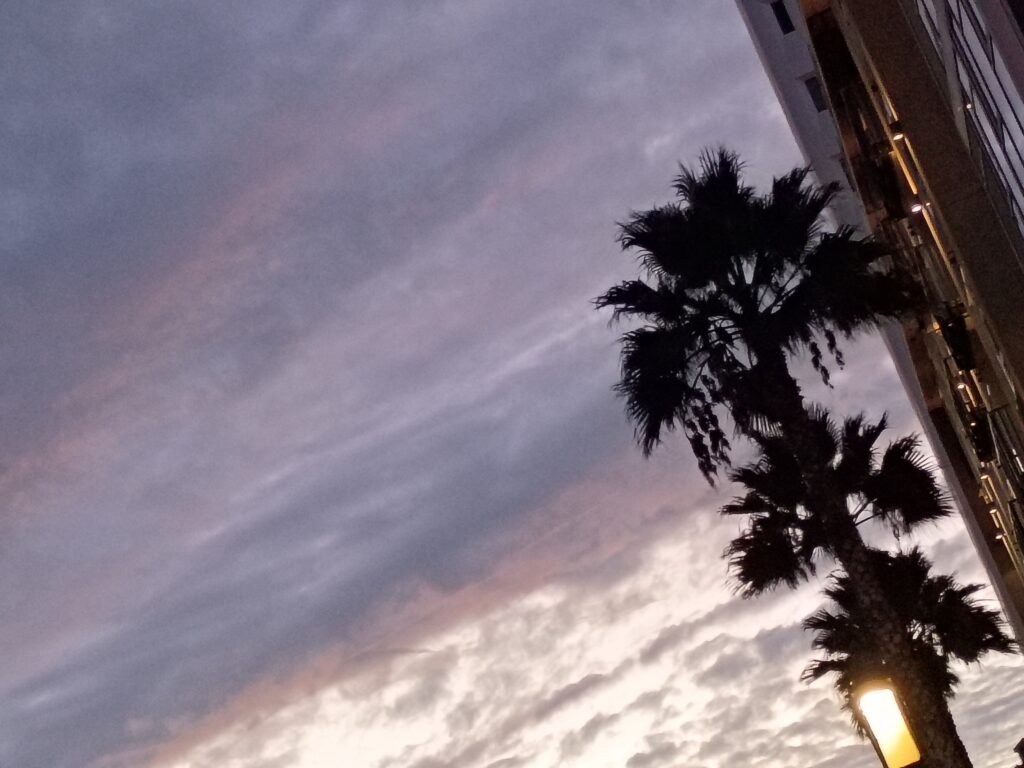
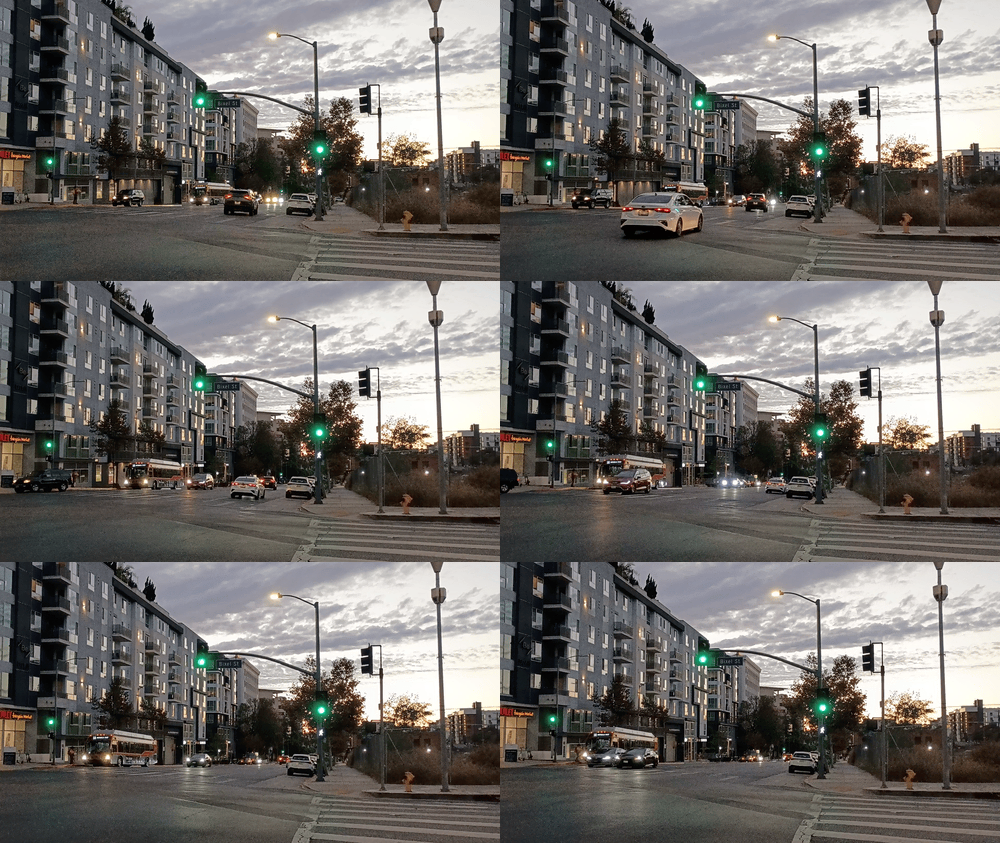
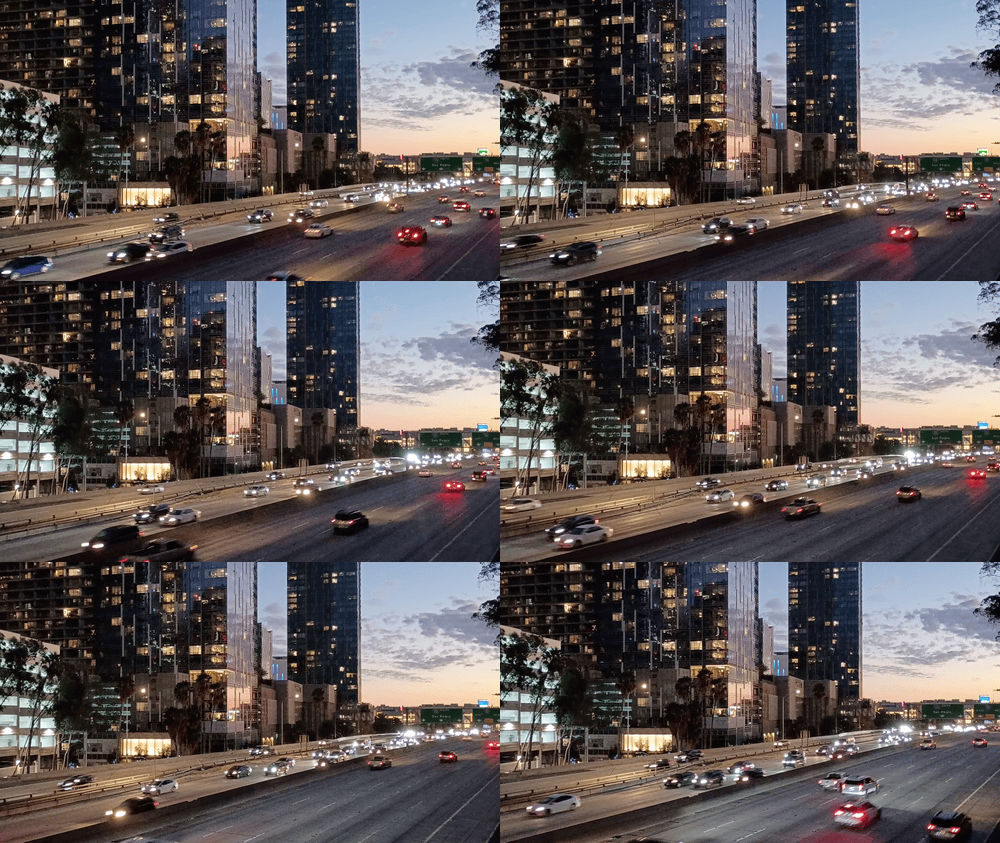
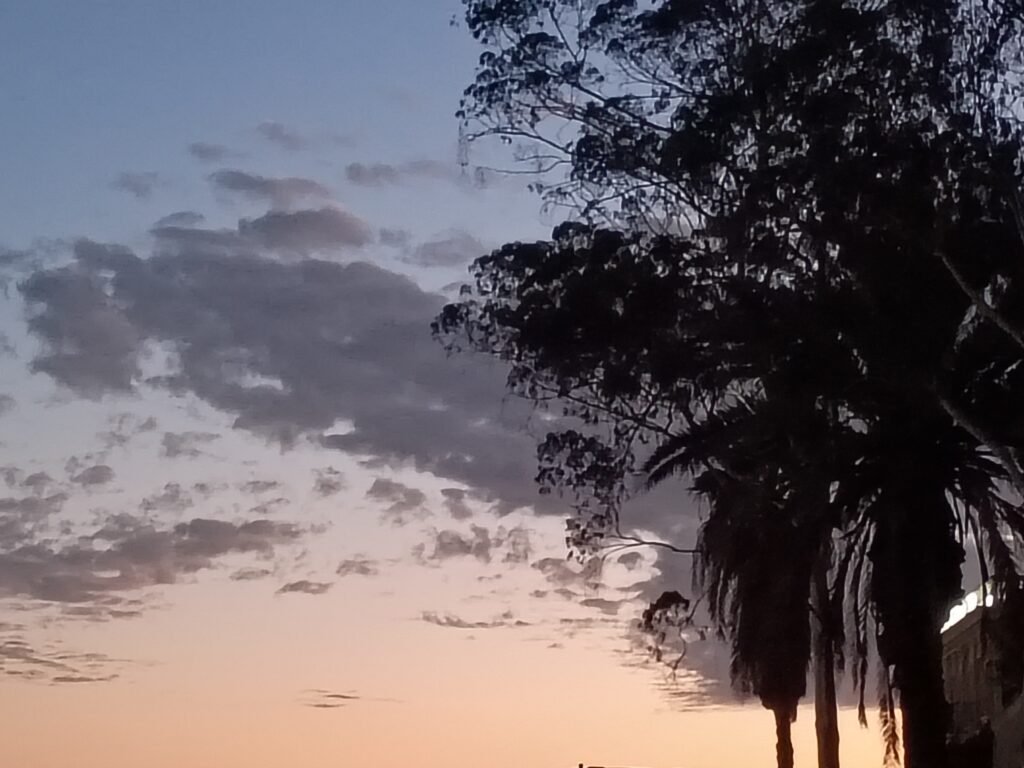
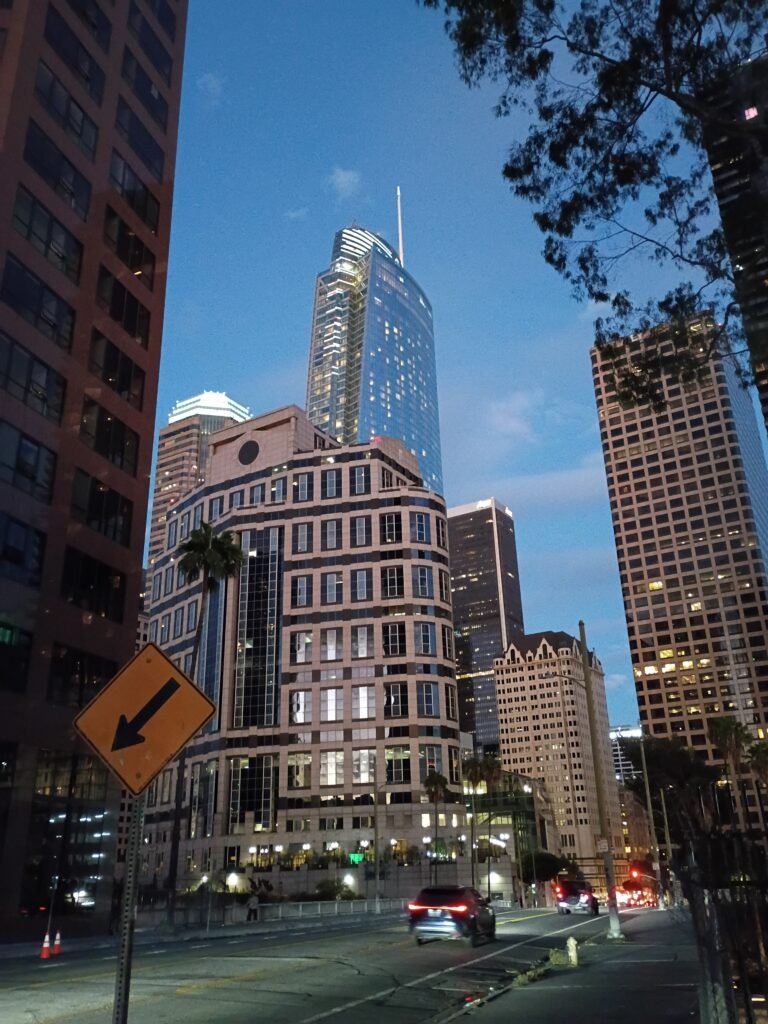
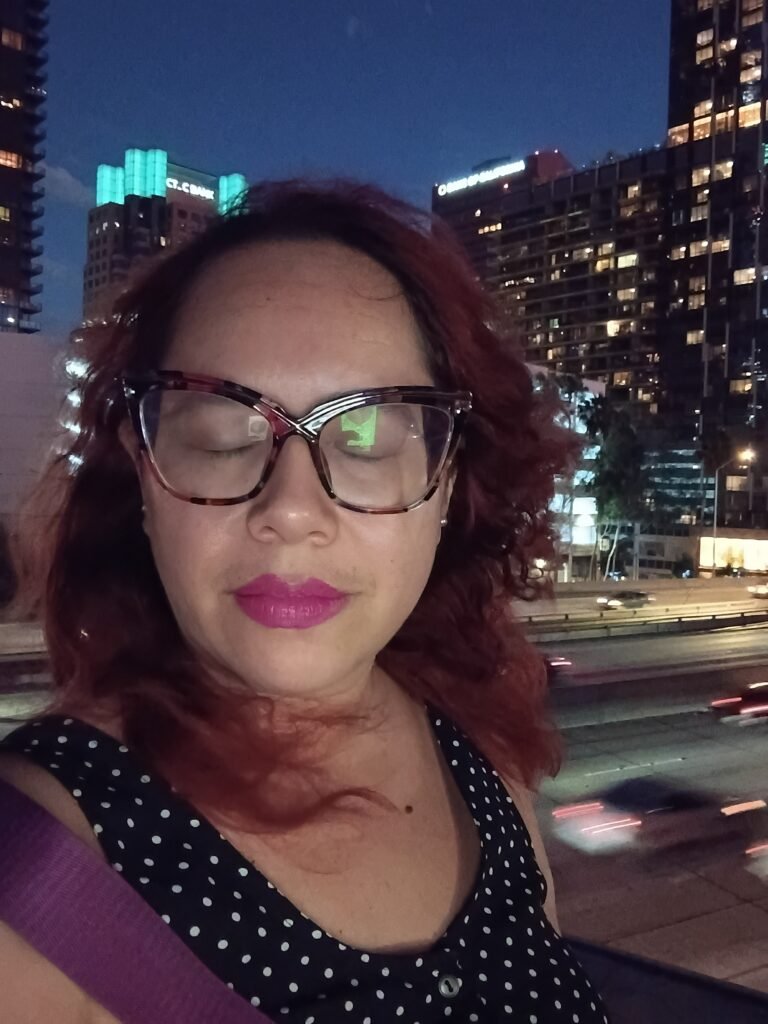
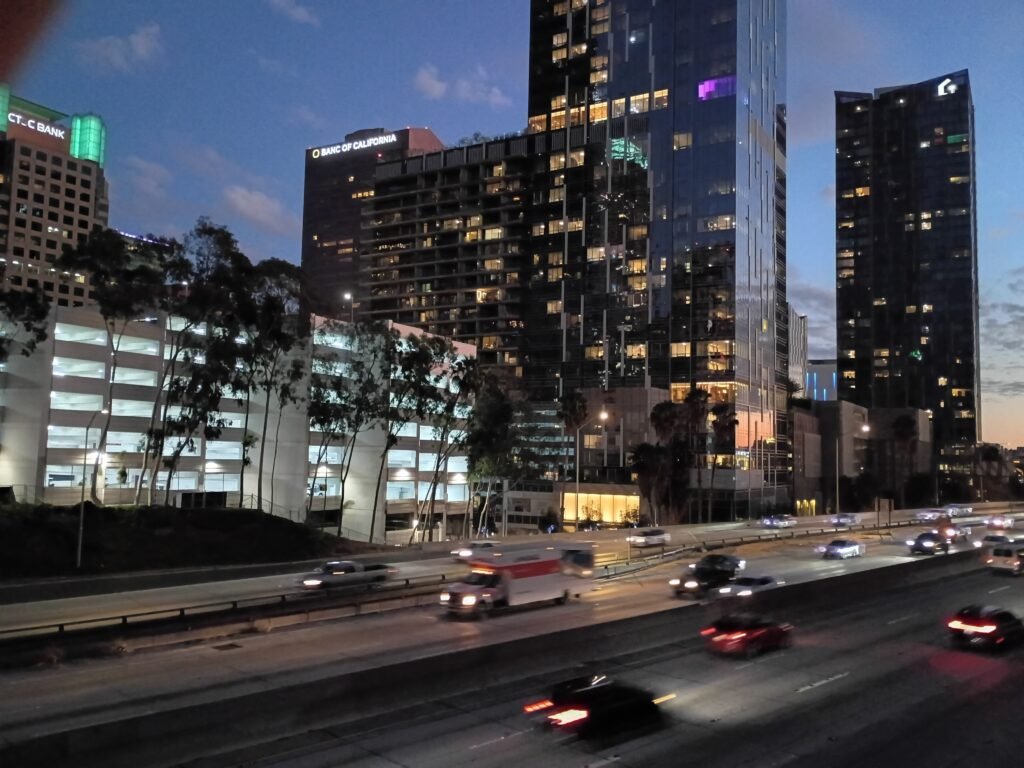
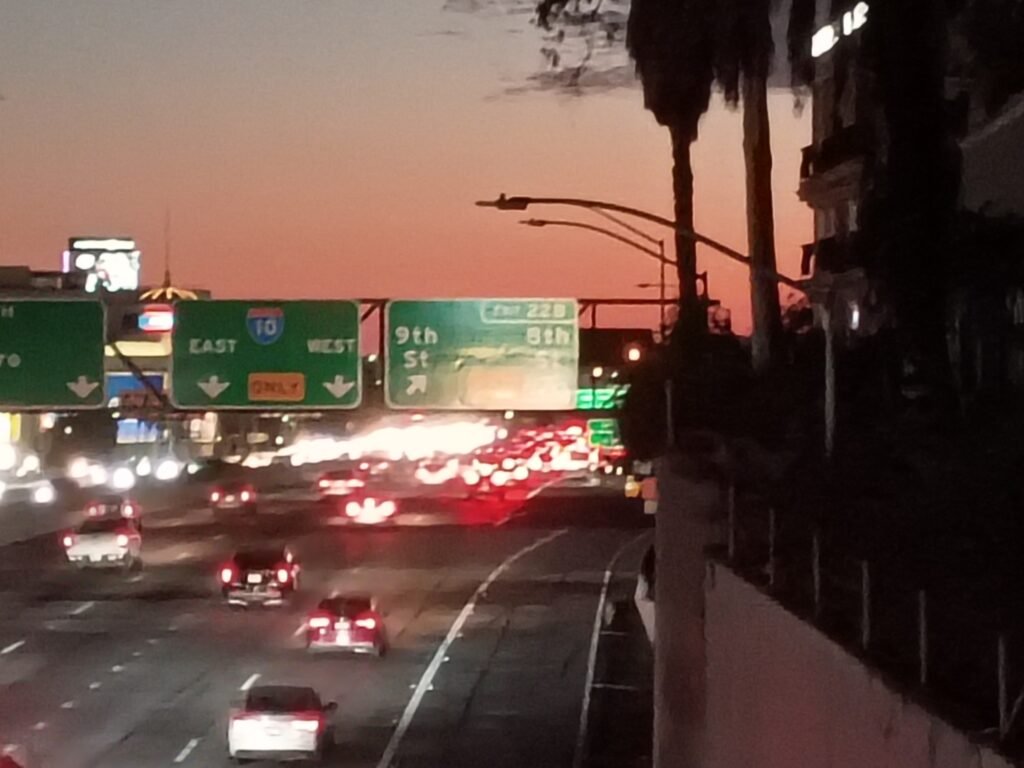
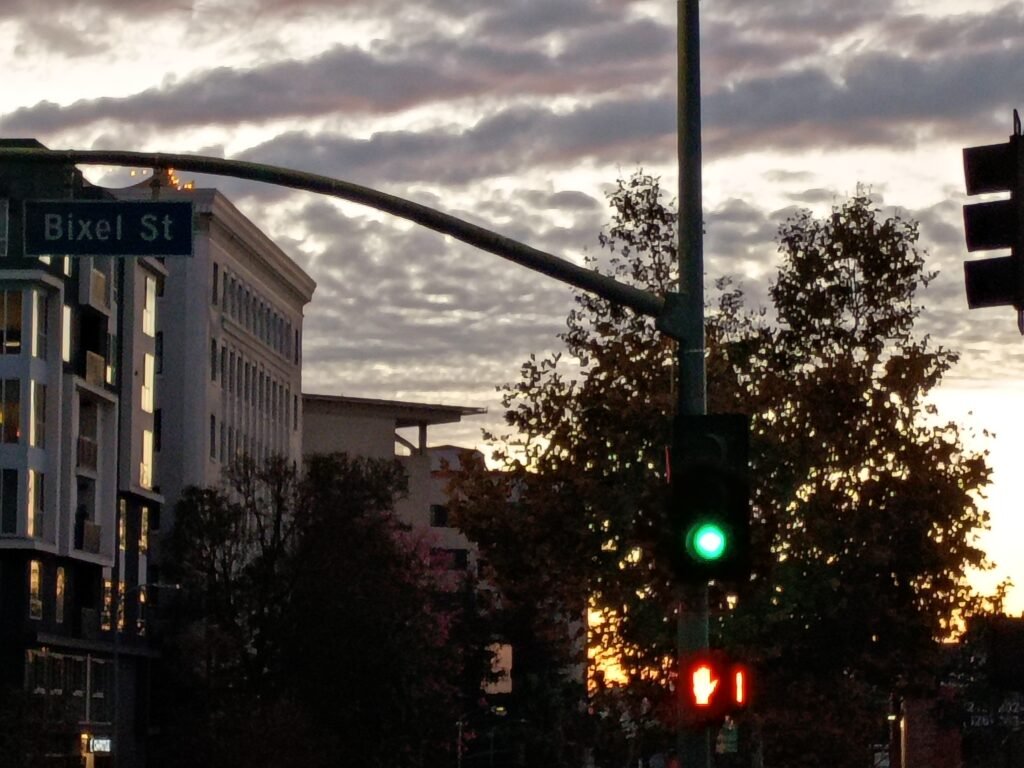
Went out for a walk the other day. And the dusk, as usual, masked the descent of another day into the horizon.
I love dusk. I love the liminality of it. The cool warmth; the warm coolness of the pavement as it exhales the toils of the day.
And yet, nostalgia seeps from marrow to bone. Walking through the city, following the simple to-and-fro of its indifferent rhythms, I wondered about what life could have been had different roads been taken.
While I’m grateful for where I am, I had plans and expectations–few if any have emerged to fruition. Old frustrations pulse beneath a scar that flares. I’ve been here seven years and neither one thing nor the other has actually happened, all the while surrounded by a system that never fails to tell me my dreams are not my own, my dreams are too big, or that the simple dream of surviving decently is too much to ask.
A system that insists on telling me where I need to stand, where I need to go and when I can speak (plot twist: up to them, never. The system demands silence while others appropriate my words)
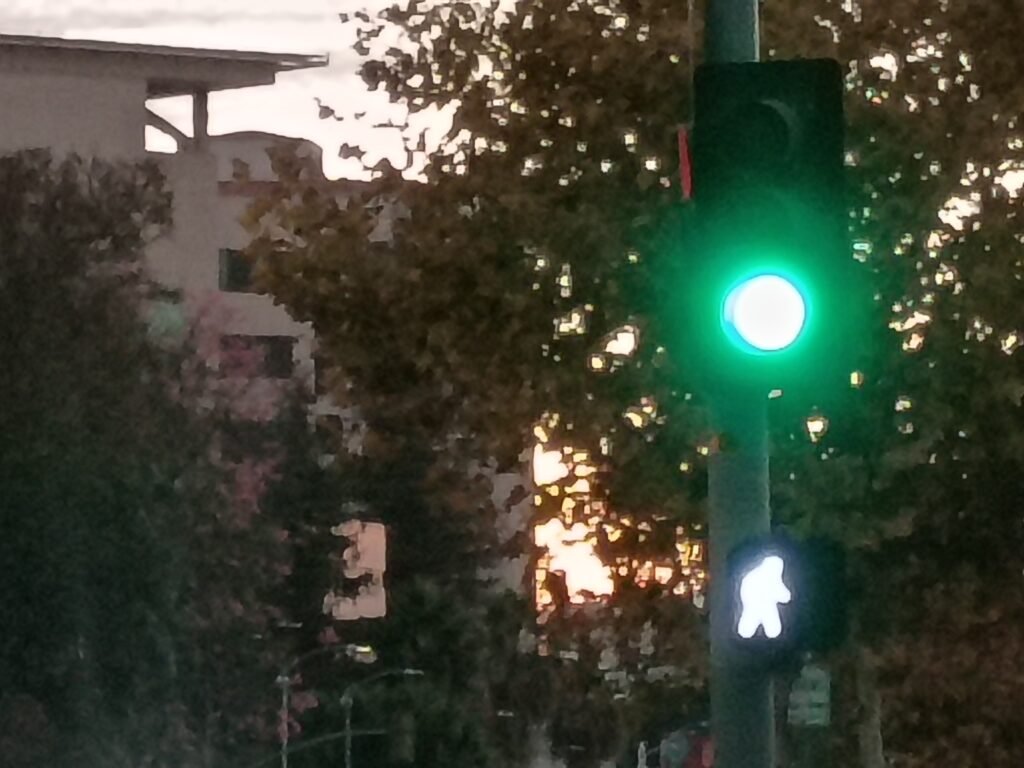
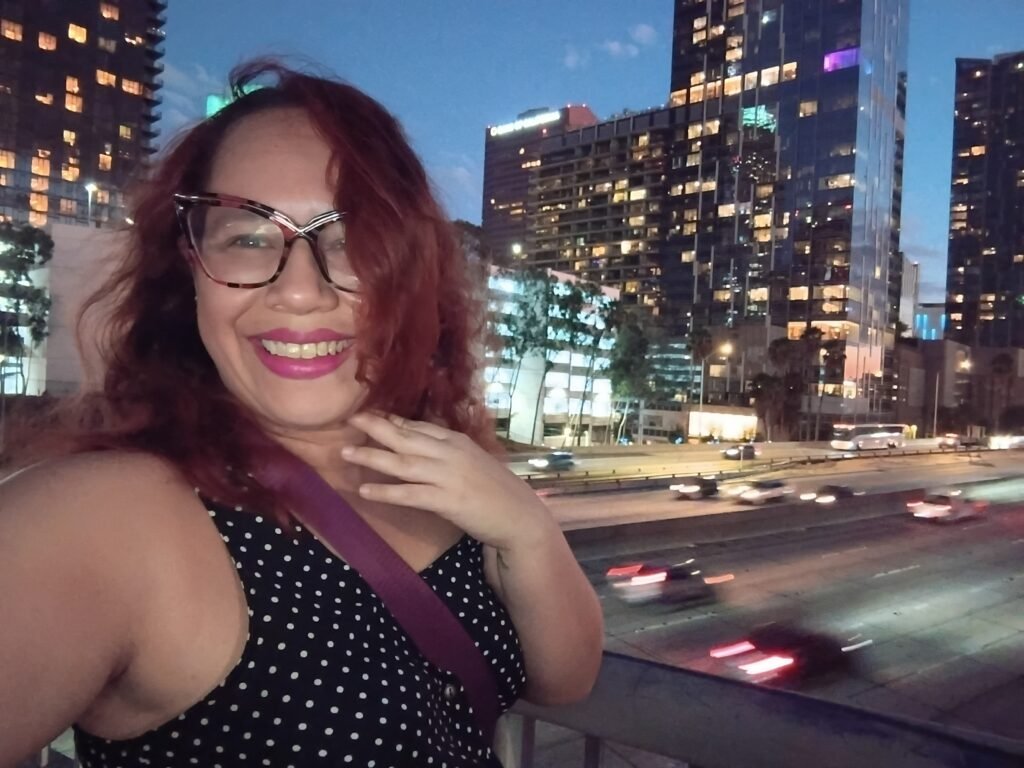
Surrounded by glass and mirror the road itself seems so free.
Still I find ways to smile and take life as it comes. There is only one, after all. I intend to live it wherever I am.
Liminality is interesting. Neither in one place nor the other: life unfolds regardless, after the party ends.
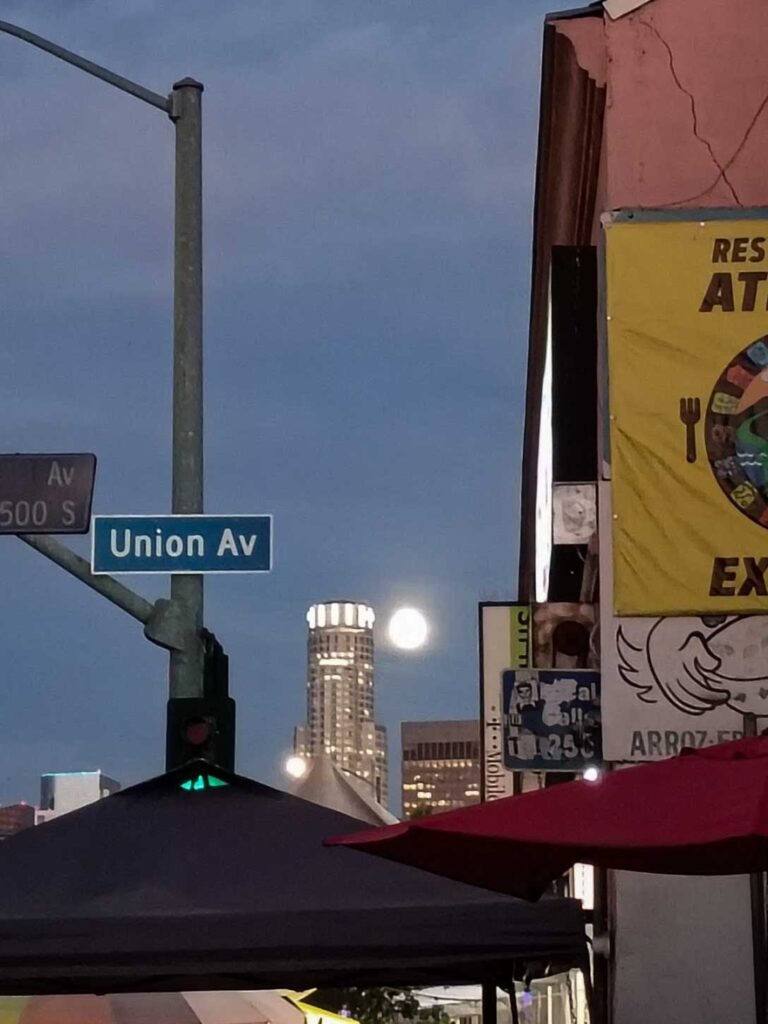
So the day before yesterday, I went out to run a supermarket errand. A triumph, I know, considering the depth of this heat wave. But, go I did! Just a bit later than my usual afternoon outings; sometime nearer to dusk.
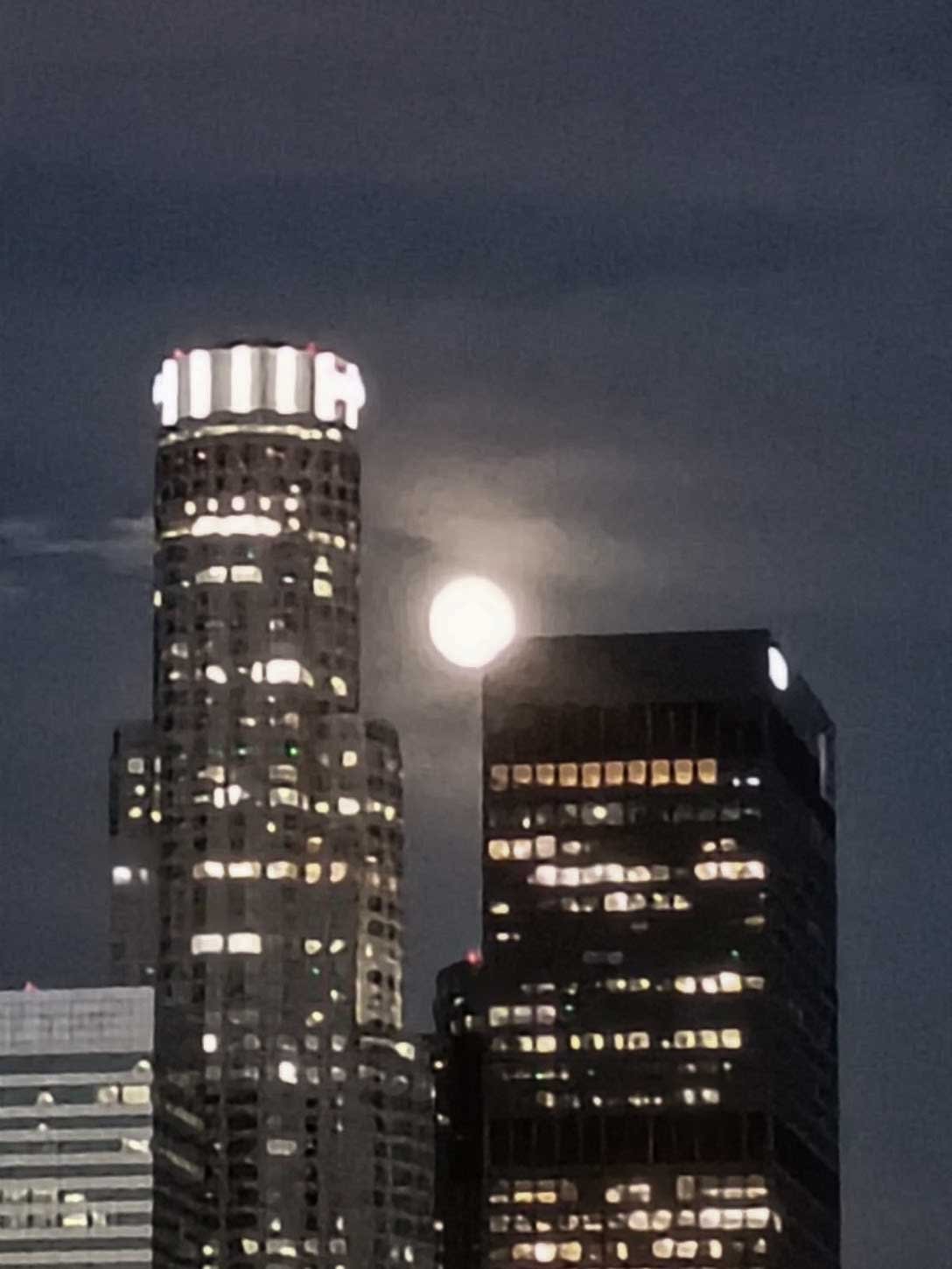
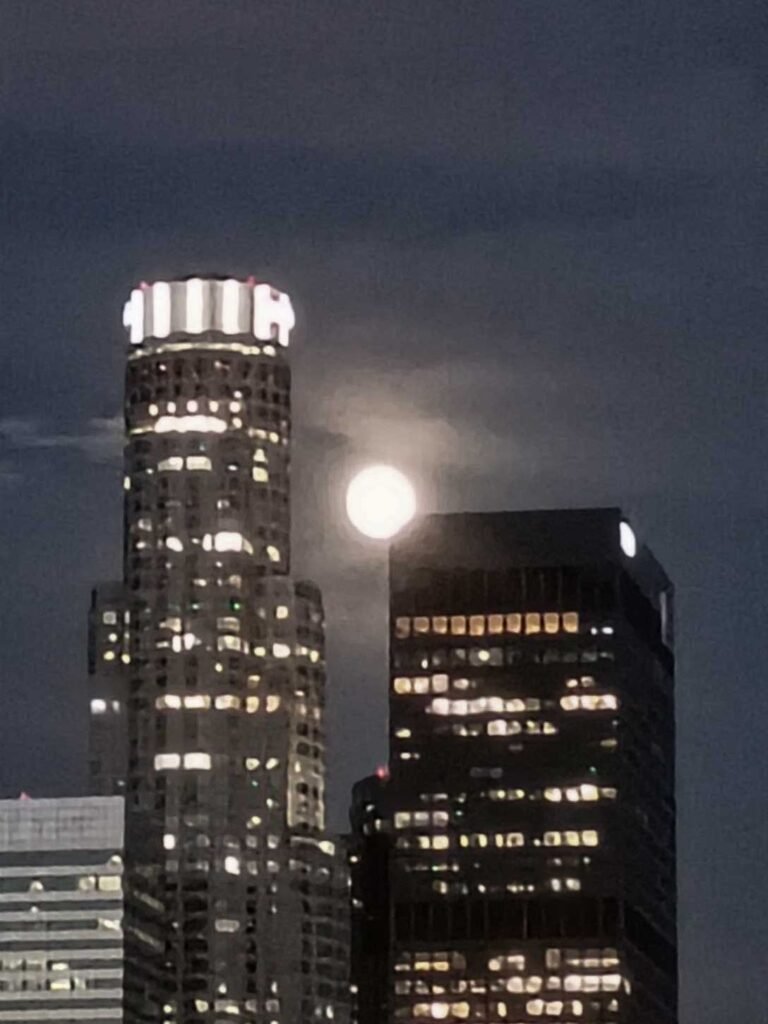
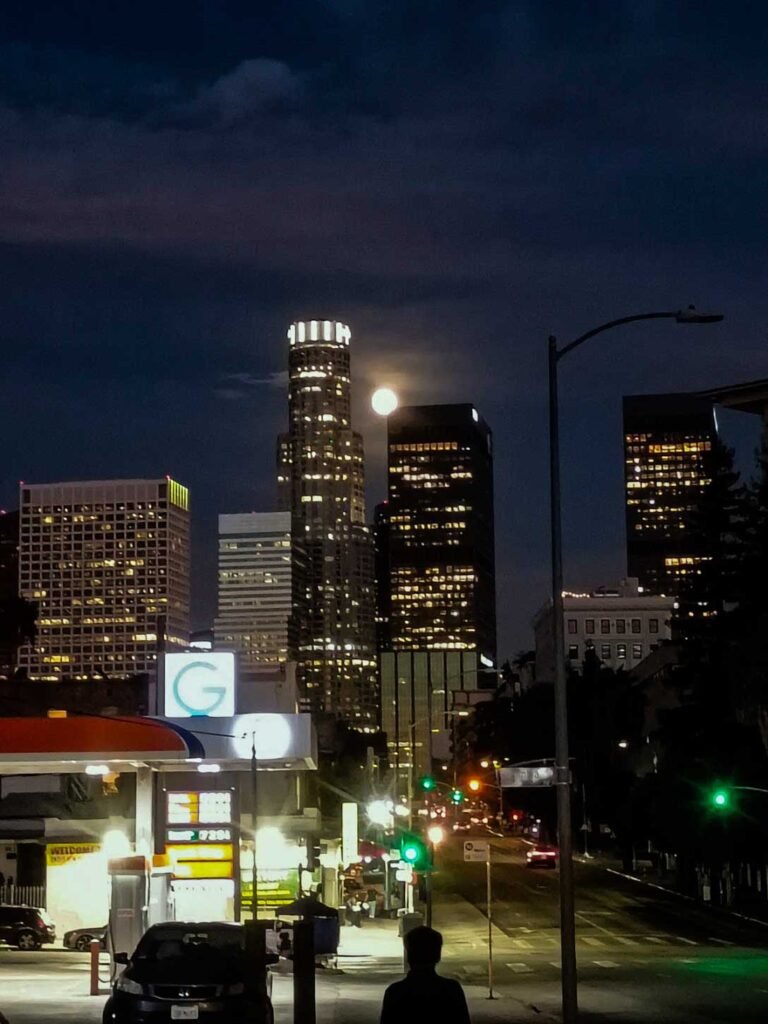
The air was still warm at seven-something when I left the supermarket—a Food 4 Less within LA’s Mayan Corridor, which is nearish to home. Anywho, I began my usual march back when I was struck motionless by the largesse of the moon.
What a sight!
Not only was I somewhat surprised by how large the moon was, but by how well the camera conveyed its scale. Anyone who has ever tried to take a picture of the moon knows how elusive the pursuit is; inevitably the lonely satellite dwarfs into the landscape, giggling in mischief all the while.
But for me, not this time! The photo fairy sprayed its pixel dust, and the moon appeared as I saw it.
Quite delighted with the sight, I continued the brisk promenade home, though not without stopping one last time for a photo:
Hypothesizing about the moon’s largesse, I figured that some important season must be upon us. A quick search reminded me of the partial eclipse, which would have been seen from North America yesterday, when I tried to see it (but the sky was overcast) and today (chance for attempt no. 2).
However, an eclipse alone does not necessarily explain the moon’s size. So what else could be amidst?
Turns out, that the full moon gracing us with her presence is actually a Sturgeon Moon, named so “because of the large number of sturgeon fish that were found in the Great Lakes in North America this time of year”, MSN says.
Wonderful! It’s amazing to think about how essential the moon was to ancient peoples (and really, not-so-ancient, as the enduring Farmer’s Almanac still attests). Ancient societies led their lives according to the moon’s phases, not only for agriculture but for navigation.
The topic of moon worship has been ever-present in mind these past few days, since a book for which I designed the cover and layout, Gauguin’sMatriarchy, was officially launched! 🎉 Briefly, the author visually analyzes the Tahitian-inspired paintings of Paul Gauguin from a Jungian perspective, which argues that human consciousness resembles the phases of the moon. Due to its connection with “feminine” ideals like birth, growth, and intuition, societies that honor the moon tend to be “matriarchal” in nature (as we know societies have been). Thus, the author argues, the amazon-like Tahitian women that populate Gauguin’s canvases reflect this underlying matriarchal nature in Polynesian society, stubbornly enduring despite its then-ongoing European assimilation.
At present, Gauguin’sMatriarchy is available as a hardcover only, through Amazon, but an e-book will become available sometime in the near future. If, like me, you’re not very good at remembering random Amazon URLs, you can visit the store at edicionesplumaverde.com/gauguin instead.